机票预订服务

Search documents
多地陆续公布春假安排
券商中国· 2026-03-06 01:12
Core Viewpoint - The article discusses the announcement of spring break schedules for 2026 in various regions of China, highlighting the integration of these breaks with other holidays to create longer vacation periods, which is expected to stimulate travel demand [1][2]. Group 1: Spring Break Schedules - Zhejiang Province has announced spring break dates for different cities, with some areas having breaks from April 1 to 3, while others extend to late April and early May [1]. - Other provinces, including Jiangsu, have also released their spring break schedules, with many cities aligning their spring break with the Qingming Festival to create extended holidays [1]. Group 2: Travel Demand and Trends - Data from Qunar shows a significant increase in flight bookings from Chengdu for the period of April 1 to 6, with a year-on-year increase of 150% and a week-on-week increase of 28% [3]. - Popular destinations from Chengdu during the spring break include major cities like Shanghai, Beijing, and Sanya, with some cities experiencing growth in search volume by several times [3]. - In Jiangsu, flight bookings from Nanjing have increased by 85%, with top destinations including Guangzhou and Sanya [3]. Group 3: Price and Popularity of Travel - Recent data indicates a doubling in the search and booking volume for flights during the spring break period compared to the previous week, with significant interest in domestic cities like Sanya and Chengdu [4]. - Flight prices for popular domestic destinations have risen by over 50% starting March 31, reflecting increased demand [4]. - Theme parks and leisure destinations are particularly popular during the spring break, with top attractions including Beijing Universal Resort and Shanghai Disneyland [4].


携程2025年营收624亿元,国际业务贡献四成收入
Nan Fang Du Shi Bao· 2026-02-26 08:33
Core Insights - Ctrip Group reported a 17% year-on-year increase in net operating revenue for 2025, reaching 62.4 billion RMB, with a net profit of 33.29 billion RMB, a 95% increase, largely due to investment gains of 19.9 billion RMB [1][5] - The company announced significant board changes, including the resignation of co-founder and president Fan Min, and the appointment of new independent directors Wu Yihong and Xiao Yang, effective February 25, 2026 [1] Financial Performance - In Q4 2025, Ctrip's net operating revenue was 15.4 billion RMB, a 21% increase year-on-year but a 16% decrease quarter-on-quarter due to seasonal factors [5] - The core OTA business transaction volume for 2025 was 1.1 trillion RMB, with accommodation and air ticketing contributing approximately 280 billion RMB (25%) and 550 billion RMB (50%) respectively [6] Market Dynamics - Ctrip's international OTA platform bookings grew by about 60% year-on-year, contributing 40% to total revenue, up from 35% the previous year [6] - The company served approximately 20 million inbound travelers in 2025, with a growth rate close to 100% [6] Strategic Initiatives - Ctrip plans to invest over 1 billion RMB to boost the inbound tourism market, focusing on platform enhancements and partnerships to promote Chinese tourist destinations [6] - The company aims to double the number of inbound tourists by 2026 [6] AI Integration - Ctrip's CEO Liang Jianzhang emphasized the importance of AI in enhancing operational efficiency and user experience, stating that AI will be a core pillar of the company's long-term strategy [7] - The company is developing specialized AI models tailored for the complexities of the travel industry, aiming to integrate AI deeply into various operational aspects [7]

多地游客接待量两位数增长,部分机票跳水游客“捡漏”
Xin Lang Cai Jing· 2026-02-17 12:13
Core Insights - The article highlights a significant increase in tourist traffic during the Spring Festival, with many regions experiencing double-digit growth in visitor numbers compared to the previous year [2][3][5]. Group 1: Tourist Traffic Data - Hunan Province received 21.39 million visitors on the first day of the Spring Festival, with 6.68 million from outside the province, accounting for 31.24% of total visitors [2]. - On the second day, Hunan welcomed 22.71 million visitors, with transaction volume reaching 37.23 million, a year-on-year increase of 16.98%, and transaction value at 8.80 billion yuan, up 37.75% [2]. - In Hubei Province, A-level tourist attractions received 1.26 million visitors on the first day, a 17.08% increase from 2025, with hotel occupancy rates averaging 48.22%, up 3.38 percentage points [3]. - Hangzhou reported 1.32 million visitors on the first day and 1.16 million on the second day, marking a 12.86% increase year-on-year [3]. Group 2: Booking Trends and Capacity - The management of Jiuzhaigou reported that ticket reservations for February 18 and 19 reached maximum capacity, indicating high demand for popular tourist destinations [6][7]. - In Nanjing, tourist attractions recorded 1.35 million visitors on the first day, a 31.4% increase from the previous year, with 53.8% of visitors coming from outside the province [5]. Group 3: Travel Behavior and Preferences - The first day of the Spring Festival saw a surge in flight bookings, with many families opting for travel immediately after the New Year celebrations, leading to a 54% increase in hotel occupancy on February 17 [8][10]. - The report indicates that flight prices dropped significantly, with some routes cheaper than train tickets, encouraging spontaneous travel [8][10]. - The search volume for "lantern festivals" increased by 40%, and family-oriented travel remains a dominant trend, with over 50% of bookings for family trips [10].

假期前三天,飞猪酒店履约间夜量劲增80%以上
Xin Lang Cai Jing· 2026-02-17 06:32
Core Insights - The Spring Festival holiday has reached its peak travel period, with significant increases in travel service bookings compared to last year [1][2] Travel Service Bookings - Hotel night bookings have increased by over 80% year-on-year, while ticket sales have risen by 54% [1][2] - Popular cities for travel during the holiday include Guangzhou, Shanghai, Beijing, Shenzhen, Hangzhou, Chengdu, Chongqing, Kunming, and Xiamen [1][2] Cross-Border Travel - Orders for outbound travel services, including flight tickets and local activities, have grown by over 30% year-on-year [1][2] - The number of inbound flight tickets for overseas tourists has surged by 345% compared to last year [1][2] AI in Travel Booking - The use of AI for booking travel services has become a new trend during this year's Spring Festival [1][2] - A promotional event by Qianwen, in collaboration with Fliggy and Damai, has extended the Spring Festival invitation activity by three days, allowing users to receive additional discount cards for booking [1][2] - Within two days of the Qianwen event, AI bookings for scenic spot tickets increased by 22 times, while AI bookings for flight tickets surged over 7 times and hotel bookings more than doubled, with an average hotel price of 325 yuan per night [1][2] - The top five cities for AI-assisted hotel bookings are Hangzhou, Shanghai, Chongqing, Guangzhou, and Xi'an [1][2]
今年春节“最火”旅游目的地,不是海南和东北,是这个一线城市!
Sou Hu Cai Jing· 2026-02-13 23:50
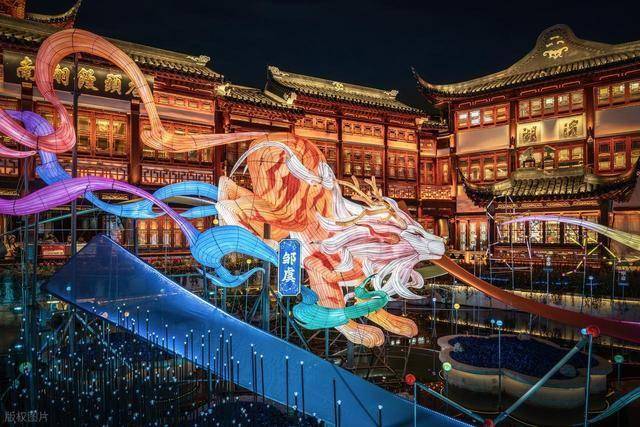
Core Insights - The most popular domestic travel destination during this year's Spring Festival is Shanghai, surpassing traditional favorites like Sanya and Harbin [1] - The shift in travel patterns reflects a growing trend of families opting to bring their parents to big cities instead of returning home, with a significant 84% year-on-year increase in "reverse Spring Festival" flight bookings [3][11] Group 1: Travel Trends - The top ten flight destinations during the Spring Festival include Shanghai, Beijing, Chengdu, Guangzhou, Shenzhen, Haikou, Kunming, Hangzhou, Sanya, and Chongqing, with Shanghai rising from third place last year to first this year [1] - The trend of "reverse Spring Festival" indicates a change in family dynamics, where younger generations prefer to invite their parents to urban areas for convenience and comfort [3][11] Group 2: Demographics and Capacity - Shanghai boasts a large population of nearly 9.83 million non-local residents, which enhances its appeal as a travel destination during the Spring Festival [5] - The city's capacity to accommodate large numbers of visitors is evidenced by its record of receiving 25.485 million tourists during the 2025 National Day holiday [5] Group 3: Cultural and Recreational Offerings - Shanghai's diverse cultural offerings and inclusive environment cater to families of all ages, making it an attractive destination for multi-generational gatherings [7] - The city provides a seamless experience for families, with activities ranging from traditional lantern festivals to modern attractions like Disneyland, ensuring satisfaction for all age groups [9] Group 4: Economic and Policy Support - In January, Shanghai launched 2,570 cultural and tourism activities, along with discounted tickets at 60 popular attractions, aimed at enhancing visitor experience and encouraging longer stays [9][11] - The city's policies and cultural diversity contribute to its status as the preferred choice for family reunions during the Spring Festival [11] Group 5: Alternative Travel Choices - While Shanghai leads in popularity, there is a notable increase in hotel bookings in regions like Guangdong and Fujian, where families seek traditional cultural experiences [13] - This indicates a dual-track approach to Spring Festival travel, with some families prioritizing efficiency and comfort in urban settings, while others seek cultural and spiritual connections in smaller towns or ancestral homes [15] Group 6: Evolving Definitions of Home - The changing travel preferences reflect a new understanding of "home" and "reunion," where emotional connections take precedence over geographical locations [15][17] - The trend signifies a broader shift in societal values, with families redefining what it means to celebrate together during the Spring Festival [17]
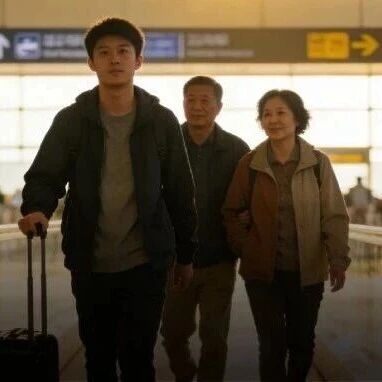
一大批年轻人,开始“反向过年”
投中网· 2026-02-13 07:46
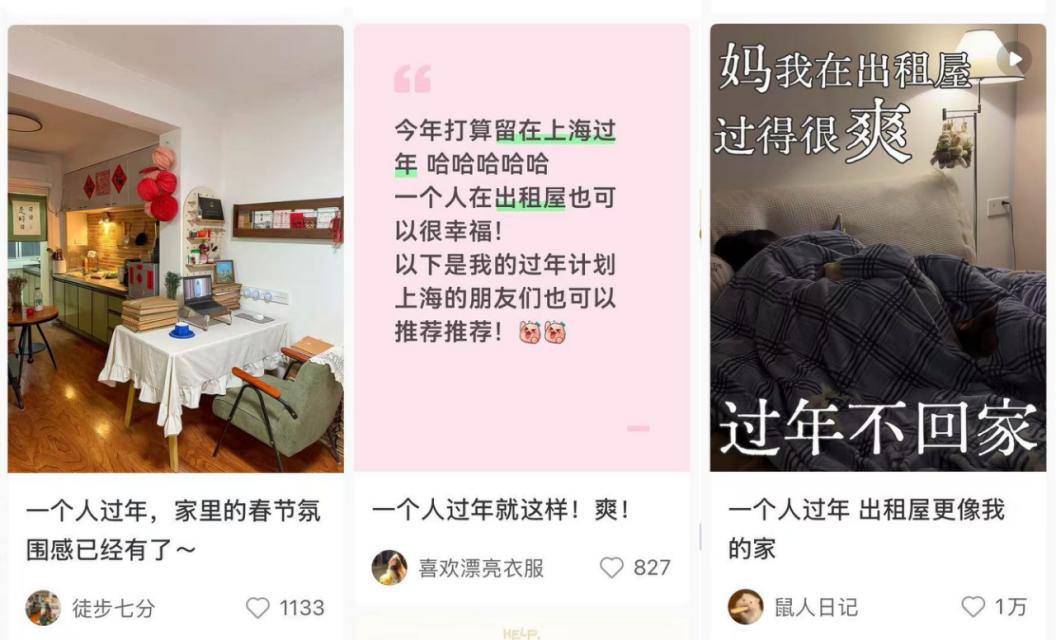
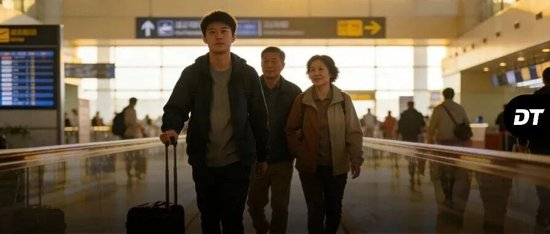
Core Viewpoint - The article discusses the evolving ways in which young people in China are choosing to celebrate the Lunar New Year, moving away from traditional family reunions to alternative methods such as "reverse New Year" celebrations, travel, or even spending the holiday alone in their cities [5][15]. Group 1: Reverse New Year Celebrations - Many young people are opting to bring their parents to major cities for the New Year instead of returning home, with a significant increase in flight bookings for this "reverse" trend. For instance, flight bookings from smaller airports to cities like Beijing and Shanghai have seen a notable rise, with a reported 84% increase in bookings compared to last year [7][8]. - The top destinations for "reverse New Year" flights include major cities such as Beijing, Shanghai, and Guangzhou, indicating a shift in travel patterns during the holiday season [7][8]. Group 2: Travel and Segmented Celebrations - Some individuals are choosing a segmented approach to the holiday, spending part of the time with family and then traveling. For example, one individual plans to return home for the New Year's Eve dinner and then take their parents on a trip to Guangdong [9][10]. - Smaller cities are emerging as popular travel destinations during the holiday, with hotel bookings in places like Pu'er and Jieyang increasing by over 80% compared to previous years [10]. Group 3: Individual Celebrations - A growing number of young people are choosing to spend the New Year alone in their rented apartments, a choice that is increasingly seen as positive rather than lonely. This shift is reflected in social media discussions about how to create a festive atmosphere while celebrating alone [12][13]. - The motivations behind this choice include avoiding the stress of family obligations and the desire for personal comfort, with many individuals expressing that they find joy in creating their own holiday experiences [14][15]. Group 4: Changing Perceptions of "New Year Flavor" - The concept of "New Year flavor" is becoming more individualized, with many young people feeling that traditional celebrations have lost their significance. For instance, one individual noted that the festive atmosphere has diminished over the years, and they now view the holiday as an opportunity for rest rather than a family obligation [16][17]. - The article suggests that as societal norms evolve, the ways in which people celebrate the New Year are likely to become more diverse and personalized, reflecting broader trends in consumer behavior and family dynamics [16][17].

平台:“反向过年”热潮兴 热门航线机票预订量倍增
Zhong Guo Xin Wen Wang· 2026-02-13 06:26
Core Insights - The trend of "reverse New Year" travel is gaining popularity, with a significant increase in ticket bookings for flights to major cities like Beijing, Shanghai, Chengdu, and Guangzhou during the 2026 Spring Festival [1][2] - The demographic of travelers is shifting, with 20% of passengers flying to Beijing being over 50 years old, and the number of travelers aged 60 and above increasing by 1.6 times compared to the previous year [1] - There is a notable rise in ticket bookings for less common routes from smaller airports to major cities, with some routes experiencing over 300% growth [1] Summary by Category Travel Trends - The "reverse New Year" concept is changing traditional family reunion dynamics, as more elderly family members travel to cities to celebrate with their children [1] - Popular destinations for travelers aged 50 and above include major cities, with the top five being Beijing, Shanghai, Chengdu, Guangzhou, and Shenzhen [1] Booking Statistics - Ticket bookings for flights from smaller airports to major cities have seen significant increases, with specific routes like Jieyang to Beijing and Lanzhou to Beijing showing remarkable growth [1] - For flights to Shanghai, cities such as Baishan, Yanji, Qionghai, and Dongying are among the fastest-growing departure points, with some cities like Yueyang and Sanming experiencing over 300% growth in ticket bookings [1] Demographics - The number of passengers aged 60 and above purchasing their "first flight ticket" has increased by 17% during the 2026 Spring Festival [2]
越来越多年轻人选择异地过年
Xin Lang Cai Jing· 2026-02-11 12:21
Core Viewpoint - The traditional practice of returning home for the Spring Festival is increasingly being reconsidered by many, with a growing trend of alternative ways to celebrate the holiday, such as "reverse New Year" where young people invite their parents to big cities instead of going home [2][3][4]. Group 1: Reverse New Year Trend - There is a significant increase in the booking of "reverse" tickets from smaller airports to major cities like Beijing and Shanghai, with a reported 84% year-on-year growth in ticket reservations for this trend [4][6]. - Popular routes for "reverse New Year" include flights from cities like Yulin to Shanghai and Hengyang to Beijing, indicating a shift in travel patterns during the holiday season [4]. - The convenience of obtaining tickets for "reverse New Year" is a major factor, as many find it easier and more affordable compared to the difficulty of securing tickets for returning home [6]. Group 2: Family Dynamics and Travel - Young individuals are increasingly motivated to bring their families to urban areas for the holiday, as seen in the case of a worker in Shenzhen who invited her grandparents to experience the city [7]. - The trend of "split New Year" is emerging, where individuals spend part of the holiday with family and then travel to other destinations, reflecting a desire for both family connection and leisure [8][10]. - Smaller cities are gaining popularity as travel destinations during the Spring Festival, with hotel bookings in places like Pu'er and Jieyang seeing over 80% year-on-year increases [8]. Group 3: Changing Perceptions of the Holiday - Many young people are choosing to spend the holiday alone in their rented apartments, with a shift in narrative around "spending New Year alone" becoming more positive and anticipated [11][13]. - The traditional family gathering atmosphere is diminishing for some, with individuals expressing a desire for a more personal and less stressful holiday experience [10][14]. - The concept of "New Year" is evolving, with individuals redefining what it means to celebrate, moving away from collective traditions to more personalized expressions of the holiday [16].
越来越多年轻人选择异地过年
第一财经· 2026-02-11 09:32
Core Viewpoint - The article discusses the evolving attitudes of young people towards the traditional practice of returning home for the Chinese New Year, highlighting a shift towards alternative ways of celebrating the holiday, such as "reverse New Year" and "individual New Year" experiences [4][21]. Group 1: Reverse New Year - A significant number of young people are opting to bring their parents to major cities for the New Year instead of returning home, with a notable increase in ticket bookings for flights from smaller airports to cities like Beijing and Shanghai [4][5]. - Data from Meituan indicates that from early February to mid-February, the booking volume for "reverse New Year" flights increased by 84% compared to the previous year [5]. - The difficulty in securing tickets for returning home is a major factor driving this trend, as urban areas experience high demand during the Spring Festival [7][8]. Group 2: Segmenting the Holiday - Some individuals are choosing to split their holiday into two parts: spending the first part at home with family and then traveling for leisure afterward [9][10]. - This approach allows families to maintain traditional celebrations while also enjoying a vacation, reflecting a desire for both familial connection and personal enjoyment [9][10]. Group 3: Individual New Year - A growing number of young people are choosing to spend the New Year alone in their rented accommodations, a shift from previous years where this was often seen as a lonely choice [15][21]. - Many are actively preparing for a solo celebration by decorating their spaces and purchasing their favorite foods, indicating a positive attitude towards this new way of celebrating [17][21]. - The article notes that the perception of spending the New Year alone is changing, with individuals finding joy and excitement in the experience [15][19]. Group 4: Changing Definitions of "New Year Flavor" - The concept of "New Year flavor" is becoming more personalized, with individuals defining it based on their own experiences rather than traditional expectations [21][22]. - Factors such as urbanization, transportation advancements, and changing family structures are contributing to this shift, allowing for more diverse and individualized celebrations [22][23]. - The article suggests that these emerging trends, while currently seen as niche, may become mainstream as more people seek to define the New Year in their own terms [22][23].
一大批年轻人,开始“反向过年”
3 6 Ke· 2026-02-11 08:37
Core Insights - The traditional notion of "going home for the New Year" in China is evolving, with many individuals now reconsidering this practice due to rising travel costs and the pressures of family gatherings [1][2][12] Group 1: Changing Travel Trends - A significant number of young people are opting for "reverse New Year," where they invite their parents to major cities instead of returning home [3][4] - Data from Tongcheng Travel indicates a notable increase in flight bookings for "reverse New Year," with a year-on-year growth of 84% in ticket reservations from early February to mid-February [3] - Major cities like Beijing, Shanghai, and Guangzhou are becoming popular destinations for this trend, reflecting a shift in how families celebrate the holiday [3][4] Group 2: Reasons for Alternative Celebrations - The difficulty in securing tickets for traditional homeward travel is a primary reason for the shift towards "reverse New Year" [4][5] - Young professionals are motivated not only by ticket availability but also by the desire to showcase their living environments to their families, indicating a deeper connection to their current cities [5][6] - The trend of "split New Year" is emerging, where individuals spend part of the holiday with family and then travel for leisure, highlighting a desire for both familial connection and personal enjoyment [6][7] Group 3: Individual Celebrations - A growing number of young people are choosing to spend the New Year alone in their rented accommodations, reflecting a shift in perception towards solitude during the holiday [8][9] - This choice is increasingly seen as a positive experience, with individuals preparing their own festive environments and enjoying personal preferences in food and activities [11][12] - The narrative around spending the New Year alone is changing, with many expressing excitement and anticipation rather than loneliness [9][12] Group 4: Evolving Definitions of "New Year" - The concept of "New Year flavor" is becoming more individualized, with people redefining what the holiday means to them based on personal experiences and preferences [13][14] - Factors such as urbanization, transportation advancements, and changing family structures are contributing to a more personalized approach to celebrating the New Year [13][14] - The traditional collective celebration is giving way to diverse expressions of the holiday, indicating a potential shift towards these new trends becoming mainstream in the future [14]