贴牌代工模式

Search documents
同仁堂99%高纯南极磷虾油内不含磷虾油?老字号再陷贴牌风波
Guan Cha Zhe Wang· 2025-12-18 13:41
Core Viewpoint - Beijing Tongrentang Health Pharmaceutical Co., Ltd. is facing a significant public relations crisis due to a product labeled as "99% high-purity Antarctic krill oil" that was found to contain zero phospholipids, raising serious concerns about product authenticity and quality control [1][3][5] Group 1: Incident Overview - The Shanghai Consumer Protection Committee conducted a market inspection revealing that the krill oil product, marketed with claims of "Chilean imported raw materials" and "1 capsule ≈ 100 krill," failed to meet the phospholipid content standards, showing a result of zero [1][3][5] - The manufacturer, Anhui Habao Pharmaceutical Co., admitted that the product did not contain Antarctic krill oil, while the distributor, Beijing Tongrentang (Sichuan) Health Pharmaceutical Co., avoided responsibility during discussions with the consumer protection committee [1][5][6] Group 2: Historical Context - This incident is not the first controversy for Tongrentang, with previous issues including the "honey scandal" in 2018 and other product quality concerns in subsequent years, highlighting ongoing challenges in quality control under a private label manufacturing model [2][11][12] Group 3: Financial Performance - Tongrentang's financial performance has been declining, with a reported revenue of 18.597 billion yuan in 2024, a 4.12% increase, but a net profit of 1.526 billion yuan, marking an 8.54% decrease, the first negative growth in five years [13][15] - The company's operating costs rose significantly, with a 10.70% increase in 2024, primarily driven by rising raw material costs, leading to a decline in gross margins across various product lines [15][16] Group 4: Brand Management Challenges - The brand is facing a trust crisis, compounded by frequent quality issues and a complex market presence with multiple entities using the Tongrentang name, leading to consumer confusion [12][16] - The company is under pressure to unify its brand and improve quality control while addressing historical issues and restoring consumer trust [16]



环球产业观丨单价低至1元,东方甄选的卫生巾如何挣钱?
Huan Qiu Wang· 2025-07-02 03:50
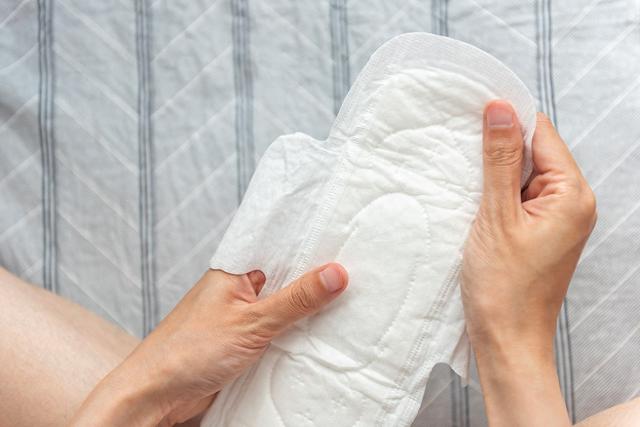
Core Viewpoint - The entry of Dongfang Zhenxuan into the sanitary napkin market with its self-branded product "Zhenxuan Anxin" at a price as low as 1 yuan per piece has sparked discussions about the sustainability of such low pricing strategies and their potential impact on the female hygiene industry [1][3][6] Group 1: Product Launch and Pricing Strategy - Dongfang Zhenxuan has launched its sanitary napkin products, emphasizing comfort and breathability, with a member price of less than 1 yuan per piece [3] - The product line includes two specifications: 240mm and 290mm, with some variants priced as low as 0.8 yuan per piece [3] - Other competitors, such as Huang Zitao's "Duo Wei" and Xin Xuan's "Cotton Password," have also introduced low-priced sanitary napkin products, with prices averaging around 0.6 to 0.8 yuan per piece [3][6] Group 2: Production and Quality Control - Dongfang Zhenxuan utilizes a private label manufacturing model, partnering with Tianjin Beishute for production [4] - The company emphasizes safety and health in its product offerings, having invested over 40 million yuan in product testing last year to build a reputation for safety [4] - However, the reliance on the OEM model raises concerns about quality control and the potential for compromised product safety [5] Group 3: Industry Implications and Challenges - The low pricing strategy may lead to a price war in the sanitary napkin market, with competitors feeling pressured to lower their prices to maintain market share [6] - Long-term low pricing could distort consumer perceptions of the reasonable value of sanitary napkins, potentially hindering investments in quality and innovation within the industry [6] - Recent complaints regarding product quality from other brands entering the market highlight the challenges of maintaining standards amid competitive pricing pressures [7] - New regulatory standards for sanitary products are set to take effect in July 2024, which may increase compliance costs and challenges for companies in the industry [7]