资产套现

Search documents
李嘉诚家族又卖资产了,近5年套现超3500亿港元
阿尔法工场研究院· 2026-02-28 00:04
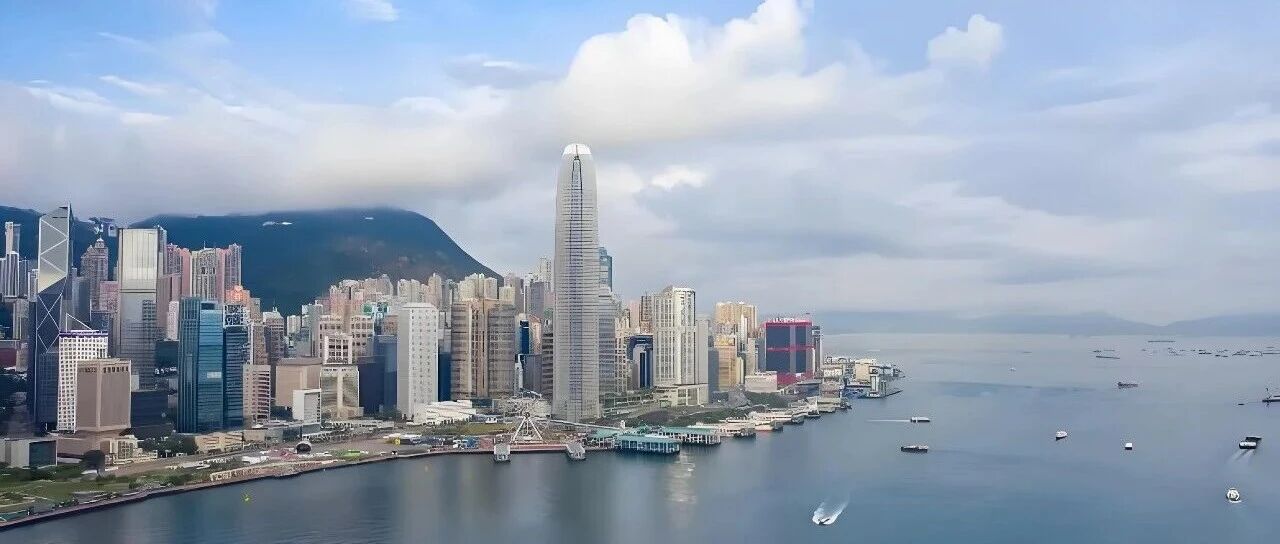
Core Viewpoint - The article discusses the recent sale of UK Power Networks (UKPN) by Cheung Kong Group, highlighting the strategic move to cash out on mature assets while preparing for future investments. The total transaction value is £10.548 billion, approximately HK$110.75 billion, marking a significant exit from the UK infrastructure sector for the group [3][4]. Group 1: Transaction Details - Cheung Kong Group and Cheung Kong Infrastructure announced the sale of their entire stake in UKPN, which is one of the largest electricity distribution networks in the UK, covering approximately 192,000 kilometers and serving around 8.5 million customers [6][7]. - The sale price of £10.548 billion represents a substantial increase from the original acquisition cost of £5.775 billion in 2010, indicating a successful investment strategy [7]. - UKPN's financial performance has shown significant growth, with pre-tax profits expected to rise from £4.67 million in the fiscal year ending March 2024 to £11.49 million by March 2025 [6][7]. Group 2: Strategic Implications - The sale is part of a broader strategy by the Cheung Kong Group to liquidate mature assets and manage risk exposure in changing macroeconomic environments [3][4]. - Over the past five years, the Cheung Kong Group has cashed out over HK$350 billion, indicating a consistent pattern of asset monetization [4][12]. - The proceeds from the sale will be used to fund new investment opportunities and general operational needs, with Cheung Kong Infrastructure expecting to realize approximately HK$14.5 billion in actual gains from the transaction [9][10]. Group 3: Historical Context - The article notes that the Cheung Kong Group has been actively selling overseas assets, particularly in the UK and Europe, as part of a strategic shift towards high-value cashing out [8][13]. - Previous significant transactions include the sale of UK Rails and various telecommunications and infrastructure assets, demonstrating a clear trend of divesting from mature investments [12][14][16]. - The group's approach reflects a flexible capital allocation strategy, allowing for adjustments based on regional and economic conditions [18].




卖欧洲电信,卖巴拿马港口,卖英国电网,李嘉诚密集抛售国外资产,生怕被收割
Sou Hu Cai Jing· 2026-02-27 12:00
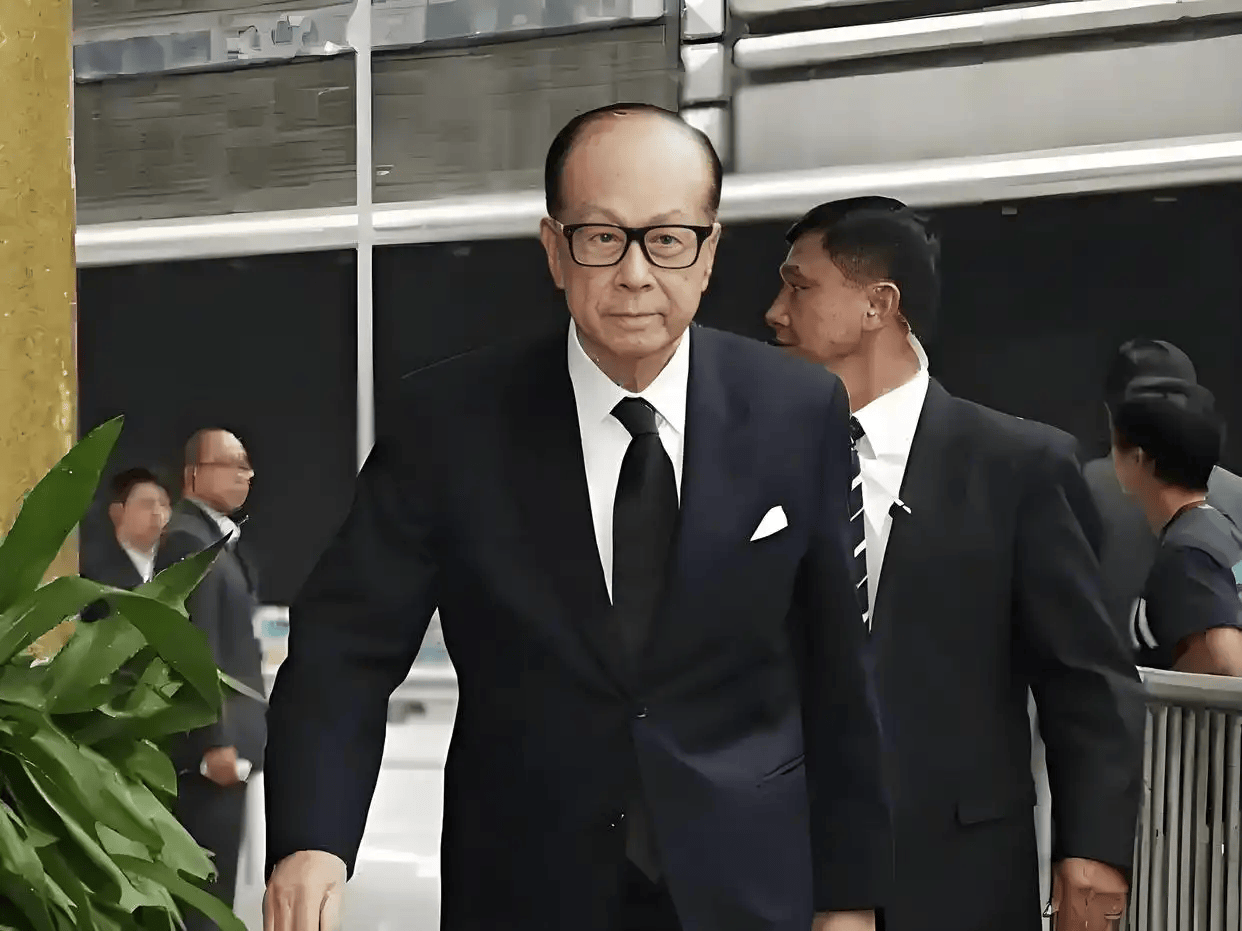
Core Viewpoint - Li Ka-shing, recognized as one of the wealthiest businessmen in China, has recently made significant asset sales, raising concerns about potential economic crises and geopolitical risks [3][12][22]. Group 1: Recent Asset Sales - In February 2026, Li Ka-shing sold all his shares in the UK Power Networks for approximately 1,107.5 billion HKD (about 105.48 billion GBP) [7][19]. - Over the past five years, Li Ka-shing has liquidated assets worth over 350 billion HKD globally [11][19]. - Notable past transactions include the sale of European telecom infrastructure for 10 billion EUR and the sale of the UBS London headquarters for 1.209 billion GBP [8][9]. Group 2: Strategic Financial Moves - Li Ka-shing's strategy of selling assets allows him to consolidate cash reserves, with estimates suggesting he can easily access 500 billion HKD [20][22]. - This cash reserve positions him to respond to future economic uncertainties and potential investment opportunities, similar to Warren Buffett's approach [12][22]. - The sales reflect a broader trend of caution in the face of global economic instability and geopolitical tensions [12][25]. Group 3: Market Reactions and Implications - The sale of critical infrastructure assets, such as ports, has drawn criticism in China, highlighting national security concerns [4][5]. - Li Ka-shing's decisions may be influenced by fears of international asset confiscation, as seen in recent geopolitical events [25][26]. - The ongoing scrutiny of his foreign asset holdings indicates a growing apprehension regarding the safety of international investments [26].
恒大“二号人物”上诉被驳回!法院明确禁止夏海钧转移资产
Guan Cha Zhe Wang· 2026-01-04 12:04
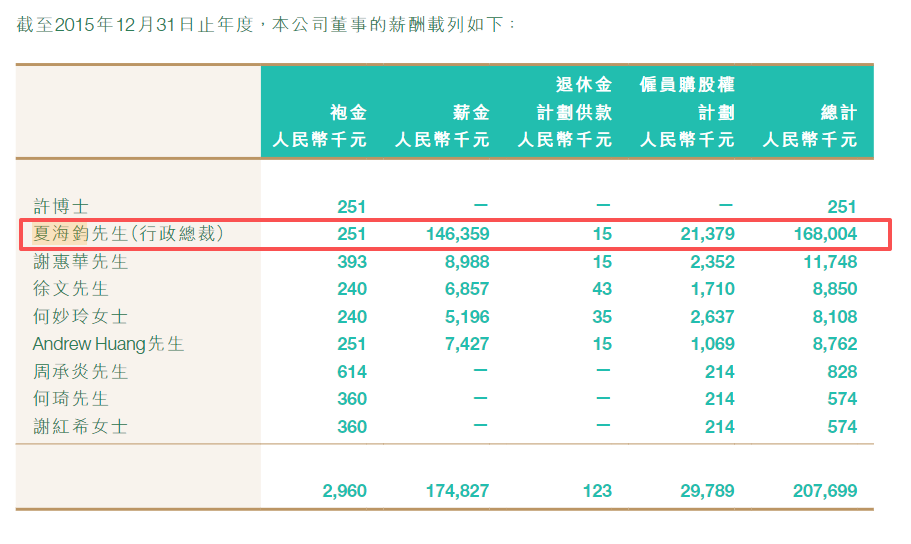
Core Viewpoint - The former CEO of Evergrande Group, Xia Haijun, has faced legal setbacks as his application to lift a court order preventing him from disposing of HKD 60 billion in assets and the proceeds from the sale of a luxury property was rejected by the Hong Kong Court of Appeal [1][15]. Group 1: Legal Proceedings - The Hong Kong Court of Appeal denied Xia Haijun's application for leave to appeal on January 2, 2026, maintaining the injunction against his HKD 60 billion assets and the proceeds from the sale of the luxury property [1][15]. - Evergrande Group, which is over HKD 2.5 trillion in debt, was ordered into liquidation in 2024, with the liquidators pursuing claims against Xia Haijun as part of efforts to recover approximately USD 6 billion in dividends [1][9]. - A global Mareva injunction was granted against Xia Haijun, preventing him from transferring assets within Hong Kong and disposing of the proceeds from the sale of the property [1][12][15]. Group 2: Financial Background - Xia Haijun received approximately HKD 2 billion in salary during his 15 years at Evergrande, with his compensation significantly increasing in line with the company's rapid expansion [2][5]. - His salary rose from HKD 5 million in 2008 to HKD 73 million in 2016, marking an increase of over 14 times in just seven years [6][8]. - Despite fluctuations, Xia's salary remained high, with figures of HKD 298 million, HKD 242 million, HKD 154 million, HKD 205 million, and HKD 202 million from 2017 to 2021 [8]. Group 3: Financial Misconduct - Xia Haijun was implicated in financial misconduct, including the preparation of false financial reports for 2019 and 2020, which inflated revenues by HKD 2.14 trillion and HKD 3.50 trillion, respectively [9][10]. - He was also involved in fraudulent bond issuances, with multiple bonds issued in 2020 totaling HKD 21 billion to HKD 82 billion [10]. - Following the exposure of Evergrande's debt crisis, Xia engaged in asset liquidation, selling off significant holdings and transferring funds abroad, which led to legal repercussions [12][13].

恒大“二号人物”上诉被驳回!明确禁止夏海钧转移资产
Guan Cha Zhe Wang· 2026-01-04 12:03
Core Viewpoint - The former CEO of Evergrande Group, Xia Haijun, has faced legal setbacks as his application to lift a court order preventing him from disposing of HKD 60 billion in assets and the proceeds from the sale of a luxury property was rejected by the Hong Kong Court of Appeal [1][14]. Group 1: Legal Proceedings - The Hong Kong Court of Appeal upheld a global Mareva injunction against Xia Haijun, which prohibits him from transferring HKD 60 billion in assets and from disposing of the proceeds from the sale of his luxury property in Hong Kong [1][14]. - The injunction was granted in response to a liquidation order against Evergrande Group, which has debts exceeding CNY 2.5 trillion (approximately USD 60 billion) [1]. - Xia Haijun's attempts to appeal the injunction have been unsuccessful, with the court rejecting his application for leave to appeal [14][15]. Group 2: Financial Misconduct - Xia Haijun has been implicated in financial misconduct, including the preparation of false financial reports for Evergrande in 2019 and 2020, which inflated revenues by CNY 2.14 trillion and CNY 3.50 trillion, respectively [8][9]. - The company also faced allegations of fraudulent bond issuance, with multiple bonds issued in 2020 and 2021 totaling CNY 21 billion [9]. - Following the exposure of Evergrande's debt risks, Xia Haijun engaged in asset liquidation, selling off significant holdings in Evergrande properties and shares, totaling over HKD 1 billion [11][12]. Group 3: Executive Compensation - Xia Haijun's salary saw a dramatic increase during his tenure at Evergrande, rising from HKD 5 million in 2008 to HKD 270 million in 2016, marking an increase of over 14 times [6][8]. - His compensation was closely tied to the company's growth, with significant salary jumps corresponding to key milestones in Evergrande's sales performance [5][6]. - Despite the company's financial troubles, Xia Haijun continued to receive substantial compensation, with figures ranging from HKD 154 million to HKD 298 million from 2017 to 2021 [8].
拔萝卜带泥!逃往美国的恒大“二把手”,邻居竟是另一个潜逃富豪
Sou Hu Cai Jing· 2025-08-27 11:10
Core Viewpoint - The article discusses two prominent figures from China, Xia Haijun and Chen Xuanlin, who have fled to California after engaging in illegal activities, highlighting their past successes and subsequent downfalls due to financial misconduct and illegal fundraising [1][3]. Group 1: Background of Xia Haijun - Xia Haijun was once a celebrated executive at Evergrande, credited with turning the company around after a failed IPO in 2008, leading to a market capitalization of HKD 705 billion on the day of listing [6][8]. - Under his leadership, Evergrande was found to have inflated its revenue by CNY 350.16 billion and profits by CNY 51.29 billion in 2020, indicating severe financial mismanagement [8][10]. - After selling off shares worth nearly CNY 1.2 billion during Evergrande's financial crisis, Xia fled, with his assets now frozen by Hong Kong courts [10][14]. Group 2: Background of Chen Xuanlin - Chen Xuanlin, born into a business family, initially found success in the stock market and later expanded into various sectors, including high-end manufacturing and infrastructure projects, amassing significant wealth [16][20]. - He was involved in illegal fundraising, accumulating over CNY 30 billion in illicit funds, with more than CNY 13 billion still owed to investors at the time of his downfall [22][20]. - After his illegal activities were exposed, Chen fled to the U.S. via illegal means, now residing in an expensive seaside villa in California [24][22]. Group 3: The Community of Fugitives - The article notes that California has become a refuge for wealthy fugitives like Xia and Chen, who can hide their identities and evade legal repercussions due to the local demographics and legal system [29][35]. - Both individuals are part of a network of fugitives who have escaped from China, living lavishly while facing potential legal consequences back home [35][40]. - The increasing efforts by Chinese authorities to pursue and recover assets from fugitives are highlighted, indicating that their evasion may not last indefinitely [40][42].
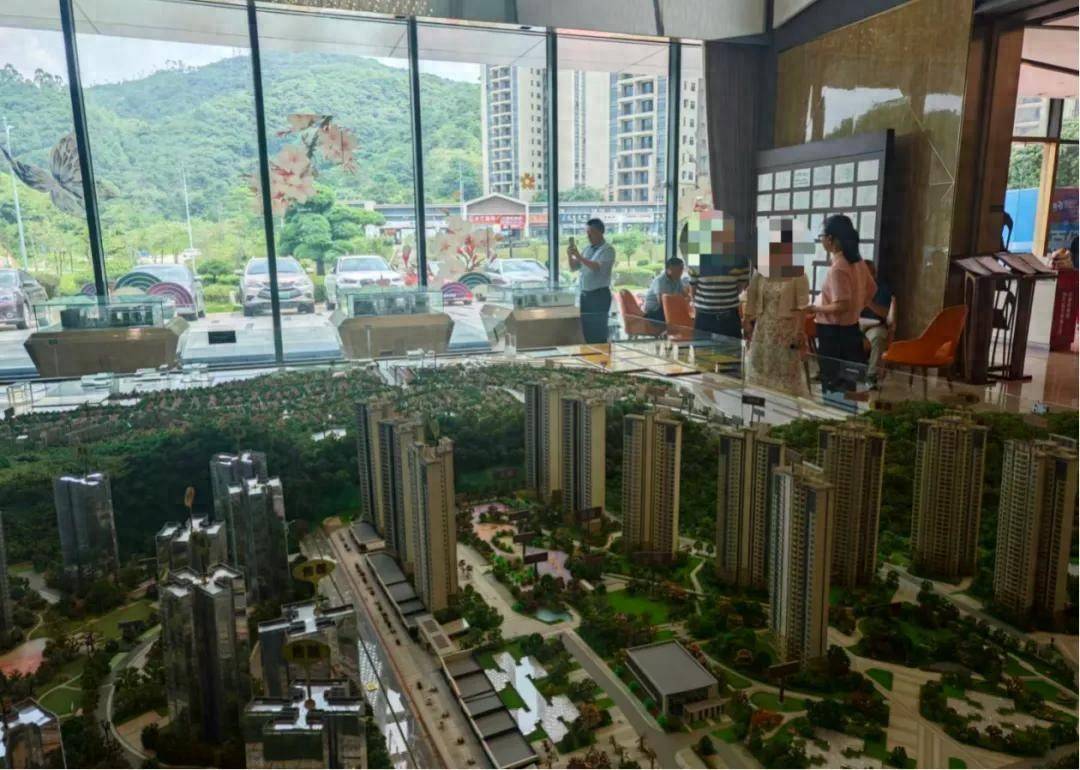
10年大撤退,李嘉诚再甩400套房,他到底急什么?
Sou Hu Cai Jing· 2025-08-01 10:02
Group 1 - The core point of the article is the sudden sale of 400 properties by Cheung Kong Holdings in the Guangdong-Hong Kong-Macau Greater Bay Area, targeting Hong Kong buyers with significant discounts [1][3][5] - The properties include low-end housing in Huizhou and high-end villas in Dongguan, with prices starting as low as 400,000 yuan for a 51 square meter one-bedroom unit, representing a 40% discount compared to previous prices [7][9][14] - The drastic price reductions are seen as a strategy to attract Hong Kong's middle class, who find such prices appealing compared to the high costs of housing in Hong Kong [17][19] Group 2 - Cheung Kong Holdings is employing aggressive discounting strategies, with discounts reaching 30% to 50%, raising questions about the company's urgency in selling these properties [3][14] - The company's history of strategic asset sales, including significant transactions in mainland China, indicates a long-term trend of divesting from the region, with over 200 billion yuan in assets sold [31][33] - The article suggests that Li Ka-shing's actions may be driven by a sense of impending market risks, reflecting his historical ability to sense market downturns and act accordingly [35][42]