资产结构转型

Search documents
RadexMarkets瑞德克斯:债务危机下黄金战略价值凸显
Xin Lang Cai Jing· 2026-01-28 12:35
Core Insights - RadexMarkets observes a significant asset structure transformation among central banks and sovereign wealth funds, shifting from traditional government bonds to gold assets in the current global macroeconomic context [1][3] - Ray Dalio highlights that the global financial system is at a sensitive moment of risk accumulation, with historical cycles indicating that rising debt levels can lead to liquidity crises [1][4] Debt Cycle Dynamics - Dalio states that when debt levels are low relative to income, moderate borrowing does not trigger systemic crises; however, as total debt and interest payments rise, it crowds out social spending, leading to liquidity issues [4] - RadexMarkets believes that sovereign credit expansion provides short-term relief but sets the stage for long-term currency devaluation [4] Market Supply and Demand Imbalance - The imbalance in market supply and demand is critical, as high levels of dollar-denominated debt and increasing supply diminish buyer confidence in future returns [2][4] - This new risk encourages sovereign investors to abandon traditional fiat currencies in favor of hard currencies, with gold's rising status being a key finding in RadexMarkets' research [2][4] Geopolitical Risks - Increasing geopolitical conflicts add complexity to asset safety, with risks associated with holding dollar-denominated debt stemming from supply-demand imbalances and potential capital restrictions or sanctions [5] - Dalio emphasizes that gold's status as a "neutral asset" becomes apparent when investors recognize the risks of asset freezing or devaluation [5] Historical Context and Gold's Role - Since 1971, central banks have typically responded to debt crises by creating substantial amounts of money and credit, resulting in soaring inflation and rising gold prices [5] - Dalio asserts that gold has demonstrated exceptional purchasing power maintenance over the long term, making it the best alternative currency in response to "paper debt crises" [5] Strategic Asset Allocation - RadexMarkets advises ordinary investors to view gold not merely as a short-term speculative tool but as a strategic asset allocation of 5% to 15% [5][6] - In light of dual challenges from currency system fluctuations and geopolitical reshaping, the defensive value of gold is being redefined in the market [6] - Investors are encouraged to shift their perspective from "tactical play" to "strategic reserve," especially during heightened debt default risks or intense currency competition, with gold serving as a solid safe haven for personal wealth [6]


马斯克的2025:不再是特朗普“第一兄弟”,身价却暴涨3300亿
3 6 Ke· 2025-12-29 03:43
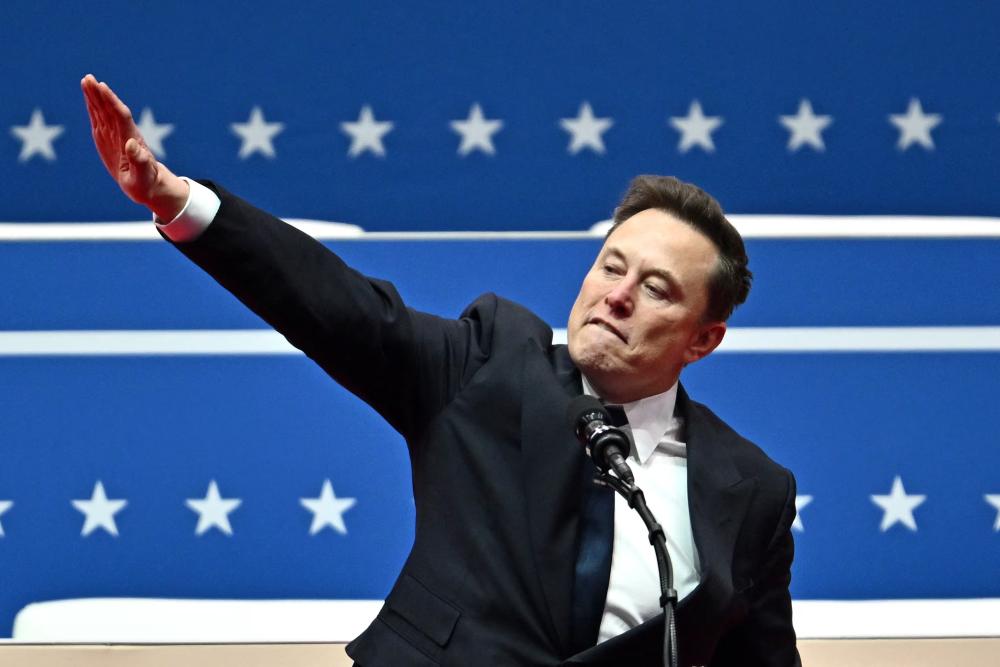
Core Insights - In 2025, the total wealth of the world's top ten billionaires increased by over $700 billion, with Elon Musk's net worth alone rising by over $330 billion, surpassing Larry Page's total wealth by $70 billion [1] - Despite facing challenges such as slowing growth at Tesla, diminishing political capital, and increasing public controversy, Musk's wealth continued to grow, raising questions about the underlying factors supporting this trend [1] - Musk's business ventures have become deeply integrated into national infrastructure and strategic systems, which may explain his ability to maintain wealth despite external pressures [1] Group 1: Political and Public Perception - At the beginning of 2025, Musk entered a politically sensitive environment, which sparked public controversy following a gesture interpreted as a "victory salute" [2] - Throughout the spring, protests against Musk intensified, with critics accusing him of excessive political involvement and close ties to Donald Trump, particularly regarding the "Government Efficiency Department" he established [4] - Tensions escalated between Musk and Trump in July, culminating in Musk's public criticism of Trump, leading to a complete breakdown in their relationship [4][6] Group 2: Tesla's Performance and Challenges - Tesla faced significant challenges in 2025, including a decline in U.S. electric vehicle market support due to policy changes under the Trump administration, which affected tax incentives and support for manufacturing [11] - The cancellation of penalties for non-compliance with fuel economy standards and the potential abolition of California's zero-emission vehicle program posed long-term revenue risks for Tesla, which had previously relied on compliance credits for profit [12][14] - Tesla's global delivery numbers were under pressure, particularly in Europe, where political stances and competition from Chinese electric vehicles contributed to an approximate 8% year-on-year decline in sales [14] Group 3: Musk's Wealth Structure - Musk's wealth, estimated at approximately $642 billion, is increasingly supported by a diversified asset structure, including private companies like SpaceX, xAI, and Neuralink, which act as a buffer against market volatility [7][10] - Despite Tesla's stock price fluctuations, Musk's wealth has grown by $210 billion over the year, indicating that Tesla is no longer his sole or primary source of wealth [7][10] Group 4: SpaceX's Growth and Strategic Position - SpaceX has maintained a stable operational focus in 2025, emphasizing satellite internet services through Starlink, which has begun to generate positive net revenue [17][21] - The company secured significant government contracts, including a $5.9 billion order to support the U.S. Space Force, enhancing its strategic position and cash flow [21] - SpaceX's ambitious plans, including the development of the Starship rocket, require substantial funding and face regulatory challenges, but the company is actively pursuing partnerships to bolster its growth [21][22] Group 5: Future Considerations for Musk - The long-term implications of Musk's political involvement and public controversies on Tesla's brand remain uncertain, as does the impact of his polarizing actions on future business endeavors [22][24] - A recent shareholder vote approved a potential $1 trillion compensation package for Musk, contingent on achieving high targets, including a market valuation of $8.5 trillion for Tesla [24] - Musk's continued presence at high-profile events indicates that he remains at the intersection of power, capital, and national interests, suggesting that his relevance in the current era is not diminished despite challenges [24]