法币贬值

Search documents
传统金融巨头如达利欧如何看待比特币作为避险资产的价值?
Sou Hu Cai Jing· 2026-02-22 13:38
Core Viewpoint - Ray Dalio, founder of Bridgewater Associates, holds a nuanced view on Bitcoin's value as a hedge, recognizing its technological breakthroughs and potential against fiat currency devaluation, while warning about its volatility, regulatory risks, and the possibility of being replaced by superior alternatives. He ultimately advocates for a limited allocation of Bitcoin within a diversified investment portfolio [1]. Group 1: Basic Position - Dalio acknowledges Bitcoin as an "incredible invention" that disrupts traditional fiat currency systems and has generated significant wealth for early adopters. He highlights three key hedging attributes of Bitcoin: 1. Limited supply: The fixed total supply aligns with global demand for scarce wealth storage assets, especially amid high debt and currency overproduction [1]. 2. Decentralization advantage: Bitcoin can be privately held and transacted across borders, making it more resistant to confiscation risks compared to real estate [1]. 3. Liquidity value: Bitcoin is easier to trade and convert into cash quickly compared to physical gold, catering to cash demands during crises [1]. Group 2: Core Shortcomings - Dalio points out Bitcoin's main weaknesses: - Technological replacement risk: The fixed Bitcoin protocol may become obsolete if superior cryptocurrencies emerge [2]. - Policy vulnerability: Governments may not tolerate assets that threaten fiat currency sovereignty, with the greatest risk to Bitcoin being its success, which could provoke stringent regulations [2]. - Speculative nature: Most holders engage in short-term trading rather than long-term savings, making Bitcoin more akin to an "option" than a stable store of value [2]. Group 3: Comparison with Gold - Dalio consistently uses gold as a benchmark for evaluating Bitcoin, noting that gold possesses advantages that Bitcoin struggles to match: - Historical validation: Gold has maintained purchasing power over millennia, even as 80% of fiat currencies have disappeared [3]. - Central bank endorsement: Gold is recognized as the third-largest reserve asset globally, supported by sovereign institutions [3]. - Anti-regulatory characteristics: Physical gold can be held anonymously, providing better protection against government tracking compared to Bitcoin [3]. - Empirical data shows that during market turmoil, gold typically rises while Bitcoin tends to fall, highlighting Bitcoin's inadequate hedging function [3]. Group 4: Allocation Logic - Based on a profound understanding of the global debt system (with a current financial asset to hard currency ratio of 8.5:1), Dalio believes fiat currencies face typical devaluation risks and suggests including Bitcoin in a diversified portfolio under strict conditions: 1. Proportional control: Allocate 10%-15% to Bitcoin and gold combined, with a lower specific allocation to Bitcoin to avoid excessive risk exposure [4]. 2. Functional positioning: Bitcoin should serve as a supplementary tool against fiat devaluation rather than replace gold as a core hedging asset [4]. 3. Dynamic adjustment: Continuous assessment of regulatory developments (e.g., Bitcoin ETFs) and institutional participation is necessary, as significant elevation in Bitcoin's status may depend on mainstream adoption by major countries or institutions [4]. - Dalio estimates that if investors shift 50% of their gold holdings to Bitcoin, it could potentially drive Bitcoin prices up by 160%, contingent on regulatory maturity and the conversion of long-term savings demand [4]. Group 5: Future Outlook - Dalio's framework revolves around two major contradictions: - Technology vs. institution: Bitcoin represents a technological evolution in currency, but the government's monopoly on currency sovereignty cannot be overlooked [5]. - Ideal vs. reality: Although Bitcoin theoretically possesses hedging attributes, its actual performance is still dominated by speculative sentiment, requiring a complete cycle for validation [5]. - He advises investors to remain humble, suggesting that in an era of fiat system reconstruction, Bitcoin is a noteworthy option but must be approached with caution regarding "chasing" risks, placing it within a liquidity management strategy (reserving 12-24 months of cash) and a defensive framework of hard assets (gold, resources) [5].


巴克莱坚定看多黄金中长期走势:核心逻辑没变,大跌是交易过渡拥挤后的修正
Zhi Tong Cai Jing· 2026-02-03 14:26
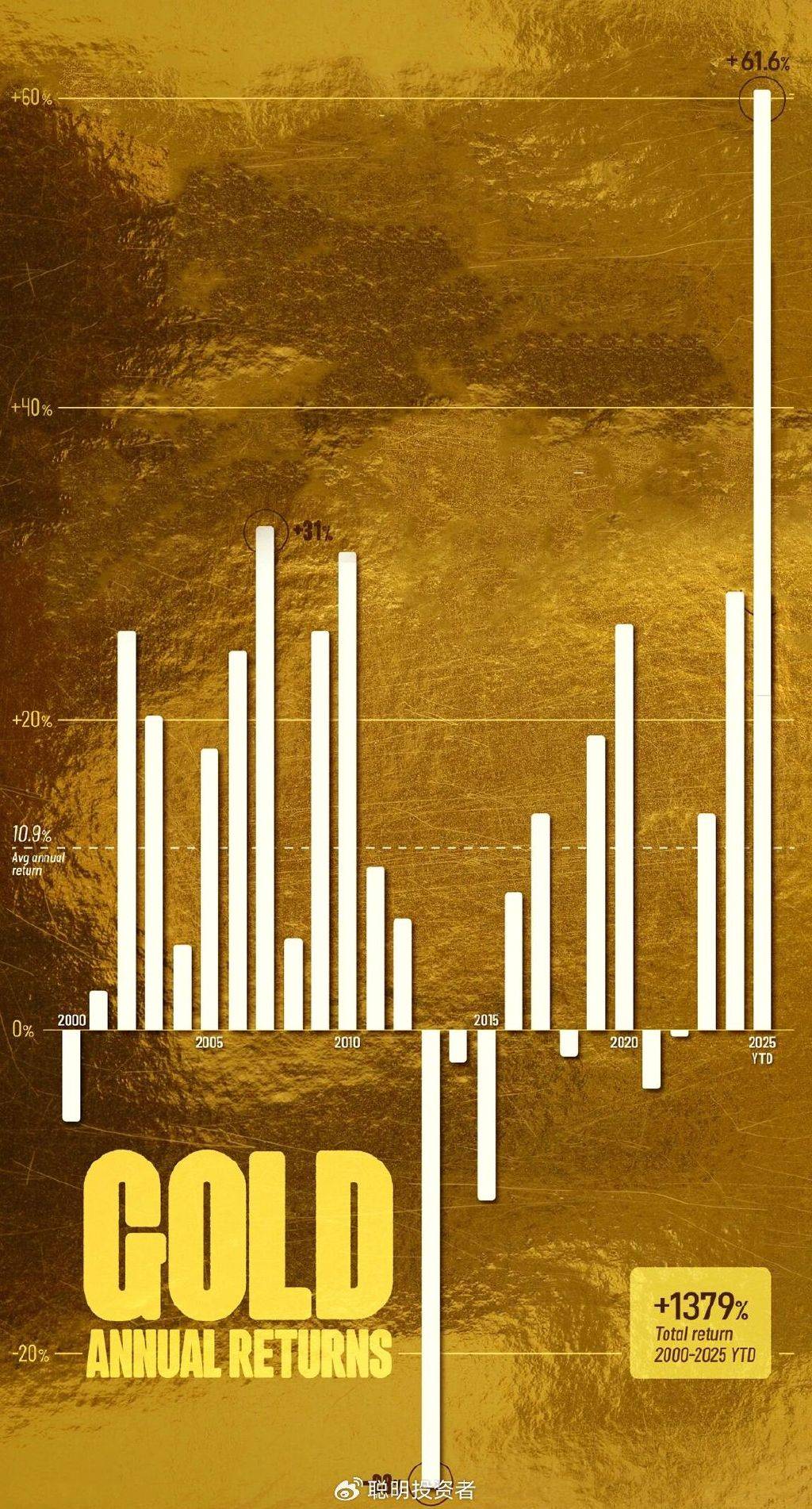
Core Viewpoint - The article discusses the ongoing volatility in gold and silver prices, highlighting significant divergences in mid-term price forecasts among major investment banks. Barclays expresses a bullish long-term outlook for gold, viewing the current market correction as a necessary pause rather than the end of a bull market [2][3]. Group 1: Short-term Correction - Barclays attributes the recent gold price correction to excessive short-term technical trading and marginal changes in policy expectations. Key technical indicators suggest that gold was in an "overheated" state, leading to a necessary market correction as speculative positions were unwound [3][4]. - The nomination of Kevin Walsh as the Federal Reserve Chair has been interpreted as a signal for potentially more stable monetary policy, providing short-term support for the dollar and exerting pressure on gold prices [3]. - The correction has reduced the risk premium in gold prices, with the premium dropping from 40% to around 20%, which is considered a more reasonable range [3]. Group 2: Valuation Debate - The market is currently debating whether gold is in a bubble, with Barclays estimating the fair value of gold at approximately $4,000 per ounce. Despite a 20% premium, this is seen as sustainable and fundamentally different from a bubble [5]. - Historical patterns show that deviations from fair value are common, and the current premium remains within a standard deviation of historical norms, indicating that there is still room for the premium to persist [5]. - The primary drivers of the current premium are inflation and policy uncertainty, with Barclays noting that a 1% increase in the U.S. CPI could lead to a 5% rise in gold prices [5][6]. Group 3: Long-term Supportive Forces - Four structural forces are identified as supporting the ongoing bull market for gold: macroeconomic policy environment, reserve diversification, structural trends of de-dollarization and currency depreciation, and historical patterns of bull markets [7][8]. - The global macro policy environment, including anticipated interest rate cuts and fiscal expansion, is expected to weaken the dollar, which typically supports gold prices [8]. - Central banks are diversifying their reserves away from the dollar, increasing their gold purchases, which is further supported by private capital investments in gold [9]. - The long-term trends of de-dollarization and currency depreciation are expected to provide persistent demand for gold, as more countries are using non-dollar currencies for trade [10]. Group 4: Investment Strategy - Barclays recommends a differentiated investment strategy, advising investors to avoid chasing short-term price spikes and to wait for better entry points around $4,400 to $4,500 per ounce [13]. - For professional investors seeking higher returns, focusing on core assets within the gold industry is suggested, as certain mining stocks are expected to outperform in a rising gold price environment [14][15]. - The strategic value of gold is emphasized, as it serves not only as a hedge against inflation but also as a safeguard against policy risks and currency depreciation [17][18].
RadexMarkets瑞德克斯:债务危机下黄金战略价值凸显
Xin Lang Cai Jing· 2026-01-28 12:35
Core Insights - RadexMarkets observes a significant asset structure transformation among central banks and sovereign wealth funds, shifting from traditional government bonds to gold assets in the current global macroeconomic context [1][3] - Ray Dalio highlights that the global financial system is at a sensitive moment of risk accumulation, with historical cycles indicating that rising debt levels can lead to liquidity crises [1][4] Debt Cycle Dynamics - Dalio states that when debt levels are low relative to income, moderate borrowing does not trigger systemic crises; however, as total debt and interest payments rise, it crowds out social spending, leading to liquidity issues [4] - RadexMarkets believes that sovereign credit expansion provides short-term relief but sets the stage for long-term currency devaluation [4] Market Supply and Demand Imbalance - The imbalance in market supply and demand is critical, as high levels of dollar-denominated debt and increasing supply diminish buyer confidence in future returns [2][4] - This new risk encourages sovereign investors to abandon traditional fiat currencies in favor of hard currencies, with gold's rising status being a key finding in RadexMarkets' research [2][4] Geopolitical Risks - Increasing geopolitical conflicts add complexity to asset safety, with risks associated with holding dollar-denominated debt stemming from supply-demand imbalances and potential capital restrictions or sanctions [5] - Dalio emphasizes that gold's status as a "neutral asset" becomes apparent when investors recognize the risks of asset freezing or devaluation [5] Historical Context and Gold's Role - Since 1971, central banks have typically responded to debt crises by creating substantial amounts of money and credit, resulting in soaring inflation and rising gold prices [5] - Dalio asserts that gold has demonstrated exceptional purchasing power maintenance over the long term, making it the best alternative currency in response to "paper debt crises" [5] Strategic Asset Allocation - RadexMarkets advises ordinary investors to view gold not merely as a short-term speculative tool but as a strategic asset allocation of 5% to 15% [5][6] - In light of dual challenges from currency system fluctuations and geopolitical reshaping, the defensive value of gold is being redefined in the market [6] - Investors are encouraged to shift their perspective from "tactical play" to "strategic reserve," especially during heightened debt default risks or intense currency competition, with gold serving as a solid safe haven for personal wealth [6]

FPG财盛国际:比特币蓄势冲击十万大关
Xin Lang Cai Jing· 2026-01-15 16:09
Core Viewpoint - The shift in global monetary policy is creating new premium space for digital assets, with Bitcoin's price performance expected to be positively correlated with global liquidity conditions as the market enters an expansion phase in 2026 [1][2]. Group 1: Historical Performance - In 2025, Bitcoin experienced a decline of approximately 14.40%, while gold surged by 44.40% due to increased risk aversion, and the technology sector outperformed the S&P 500 with a return of 24.6% [3]. - The volatility in the previous year was primarily driven by a temporary contraction in U.S. dollar liquidity and a significant amount of capital being directed towards strategic industries like artificial intelligence [3]. Group 2: Future Pricing Logic - The expectation of fiat currency depreciation is anticipated to be a core driver for Bitcoin to surpass the $100,000 mark, as investors seek to hedge against inflation and preserve asset value [4]. - Bitcoin has recorded a robust rebound of 12.20% over the past 30 days, which may signal the beginning of a liquidity-driven market trend [4]. - As the integration between traditional financial systems and digital assets deepens, Bitcoin is expected to evolve from a marginal hedging tool to a key indicator of U.S. dollar liquidity overflow [4]. - The long-term value growth of Bitcoin is supported as long as the fundamental logic of continuous depreciation in the fiat currency system does not change [4].
Bitcoin will likely stay between $120,000-$125,000 by year-end, says Galaxy CEO Mike Novogratz
Youtube· 2025-10-22 12:56
Company Performance - Galaxy reported its best quarter in history, generating $29 billion in revenue, driven by a 140% increase in trading volume [1][2] - The CEO highlighted that the quarter reflects seven years of efforts to build trust with clients and in the markets [2] Market Context - Bitcoin experienced a recent drop after reaching highs of $125, leading to a consolidation phase [4] - A significant deleveraging event occurred, which negatively impacted market liquidity and wiped out many market makers [4] - The current market is described as having less liquidity, affecting retail leverage [4][5] Future Outlook - The CEO believes that the fundamental story of crypto remains unchanged, with ongoing government spending and fiat currency debasement supporting crypto's value [6] - A potential bill in Washington, D.C. could provide a significant boost to the crypto market if passed within the next six weeks [7] - The CEO anticipates a more dovish Federal Reserve governor transition, which could also positively impact the market [7] Price Predictions - The CEO suggests that Bitcoin could range between $100 and $125 unless it breaks above $125, with a downside support around $100 [9][10] - There are varying predictions for Bitcoin's price by the end of the year, with some analysts suggesting it could reach $250,000, while the CEO remains cautious about such rapid momentum [8][9] Broader Market Influences - The CEO noted that crypto acts as both a risk asset and a safe haven amid currency debasement, which can create conflicting market dynamics [14] - Political volatility and liquidity conditions are highlighted as significant factors affecting market predictions, with the potential for stocks to end the year higher, which could also lift crypto [15][16]

年内涨幅超60%达利欧最新撰文,直面回答关于黄金的六大“高能”问题
Sou Hu Cai Jing· 2025-10-20 18:54
Core Viewpoint - The article highlights the significant rise in gold prices in 2024, with an increase of over 61% by October 17, 2025, marking it as one of the largest annual gains since 2000 [1][4]. Group 1: Gold Market Insights - Gold has been recognized as a major investment asset, with its price potentially reaching $5,000 to $10,000 according to JPMorgan CEO Jamie Dimon [4]. - Ray Dalio emphasizes the importance of gold as a stable form of currency rather than just a metal, arguing that it serves as a hedge against debt and currency devaluation [9][12]. - Dalio suggests that gold should constitute about 10% to 15% of an investment portfolio for optimal risk-return balance, especially during times of economic uncertainty [36][35]. Group 2: Comparison with Other Assets - Unlike other metals such as silver and platinum, gold is viewed as a unique asset due to its lack of credit risk and its role as a universal medium of exchange [17][18]. - Dalio argues that while AI stocks may have high growth potential, their long-term value is uncertain, and they are subject to market volatility, unlike gold which provides a more stable investment [29][30]. - The rise of gold ETFs has increased market liquidity, but they are still smaller in scale compared to physical gold and central bank reserves, thus not being the primary driver of gold price increases [38][39]. Group 3: Gold as a Safe Haven - Gold is increasingly being viewed as a "risk-free asset," replacing U.S. Treasury bonds in many institutional portfolios, particularly among central banks [40][41]. - The historical performance of gold demonstrates its resilience as a store of value, especially during periods of economic crisis when fiat currencies may depreciate [45][46]. - Dalio notes that the intrinsic value of gold is not dependent on any repayment promise, making it a reliable asset across different economic conditions [45][46].