资本暗战

Search documents
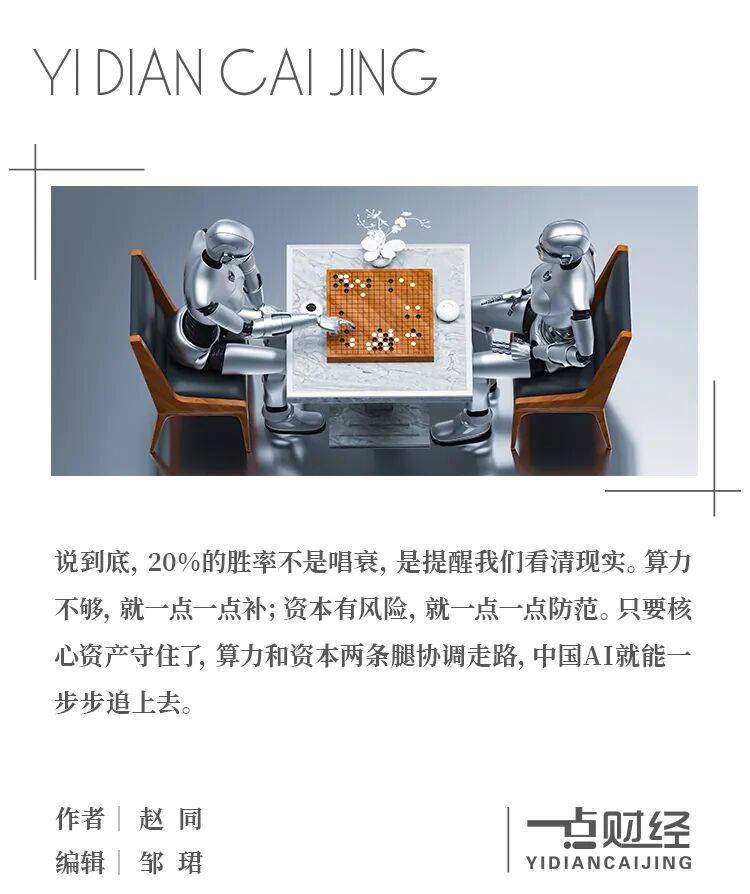
AI里的明争暗斗:马斯克的甜言蜜语,和我们20%的胜率
Sou Hu Cai Jing· 2026-01-14 11:36
Core Viewpoint - There are contrasting perspectives on China's AI development from tech leaders in China and the US, highlighting a significant gap in AI capabilities and the underlying capital competition [4][6][12]. Group 1: Perspectives on AI Development - Chinese AI experts express skepticism about surpassing the US in AI, with a probability of only 20% due to substantial computational power disparities [6][9]. - In contrast, US tech giants like Elon Musk and Jensen Huang predict that China will lead in AI capabilities, with Musk suggesting that China will dominate AI computing power [6][7]. - The differing views reflect a deeper competition, where the visible technological gap is coupled with a covert battle for capital and resources [6][12]. Group 2: Computational Power Disparities - The US has a computational power advantage over China, estimated to be one to two orders of magnitude greater, allowing for more exploratory and innovative research [9][11]. - Chinese developers often focus on immediate profit-generating applications due to limited computational resources, hindering breakthrough innovations [9][11]. - Experts emphasize the need for China to enhance "intelligent efficiency" and explore new technological paths rather than merely accumulating data and computational power [11][12]. Group 3: Foreign Capital Risks - Foreign capital is increasingly targeting Chinese AI firms, acquiring core assets and technologies, as seen in the acquisition of Manus by Meta for $2 billion [12][13]. - The process involves foreign investors buying stakes in promising Chinese AI startups, leading to a "de-Chinese" transformation of these companies [15][16]. - This trend poses risks to China's AI industry, including loss of talent, control over technology, and potential data security issues [20][21][22]. Group 4: Strategies for Improvement - To address the computational power shortfall, China needs to invest in domestic chip production and optimize existing computational resources [25][27]. - The government should support local capital to invest in critical areas like chips and algorithms, reducing reliance on foreign investment [28]. - A collaborative approach involving academia, research institutions, and industry is essential to create a sustainable ecosystem for AI development [29].

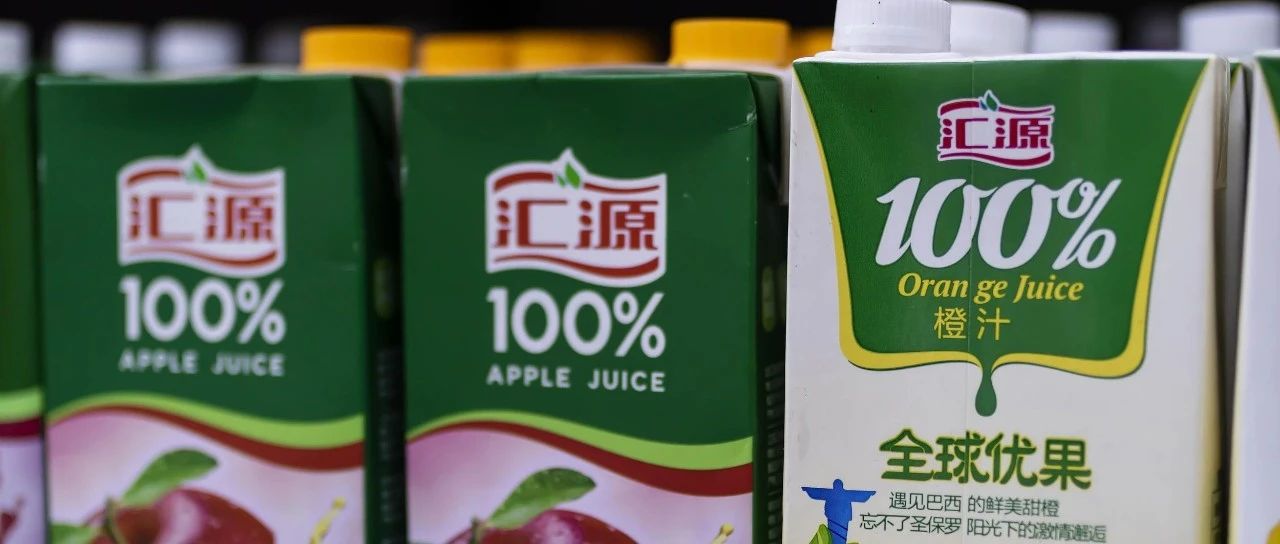
“国民果汁”,疑被空手套白狼?
财联社· 2025-08-11 04:43
Core Viewpoint - The public letter from Beijing Huiyuan Food and Beverage Co., Ltd. highlights a conflict regarding the capital injection obligations of its controlling shareholder, Wen Shenghui, and raises concerns about potential unfair profit distribution that could undermine the company's recovery efforts [2][5][8]. Group 1: Capital Injection Issues - Wen Shenghui has failed to fulfill its capital injection obligations as per the restructuring agreement, with 8.5 billion yuan overdue for over a year [3][4]. - As of January, Beijing Huiyuan received only 7.5 billion yuan from Wen Shenghui, which is significantly less than the promised 16 billion yuan for a 70% stake [3][4]. - The company claims that Wen Shenghui's actions may force creditors to passively accept debt-to-equity swaps, stripping them of their rights [5][6]. Group 2: Impact on Creditors - The capital reserve of approximately 68.9 billion yuan includes uncertain amounts from debt-to-equity swaps, affecting creditors' rights [5][6]. - There are 17 creditors who have not yet received shares, corresponding to 55.3 billion yuan in capital reserves, which could be impacted by Wen Shenghui's proposal [5][6]. - The proposal to use capital reserves to cover losses could hinder creditors' ability to exercise their rights over collateral or leased assets [6]. Group 3: Profit Distribution Concerns - The proposal by Wen Shenghui may pave the way for distributing the company's undistributed profits, raising concerns about fairness in profit allocation [7][8]. - Disputes over the actual capital contributions have persisted, with Beijing Huiyuan asserting that only a portion of the 7.5 billion yuan is recognized as paid-in capital [7][8]. - The company emphasizes that Wen Shenghui's actual capital contribution corresponds to only 22.8% of the registered capital, not the claimed 60% [8].