汇源果汁

Search documents
汇源果汁重整计划崩塌,国中水务暴雷遭遇退市危机| A股融资快报
Quan Jing Wang· 2026-02-04 10:56
Group 1 - The core issue revolves around the internal power struggle at Beijing Huiyuan Food and Beverage Co., which has jeopardized a previously hopeful restructuring plan [1] - The restructuring plan, approved in 2022, involved an investment commitment of 1.6 billion yuan from Shanghai Wensheng Assets to revitalize the Huiyuan brand [1] - The internal conflicts, including disputes over company seals and public accounts, have escalated, leading to a loss of control over the brand by the restructuring investors [1] Group 2 - The ongoing disputes have resulted in significant operational disruptions for Huiyuan, including widespread stock shortages on e-commerce platforms and a loss of confidence among distributors [2] - Guozhong Water, a listed company that invested 930 million yuan in Huiyuan, has faced severe financial repercussions due to the failed restructuring plan, leading to expected losses of 104 million to 130 million yuan in 2025 [4] - The investment from Guozhong Water was initially seen as a potential turnaround strategy, but the inability to execute the restructuring has resulted in substantial asset impairment and a risk of delisting [4][5] Group 3 - The restructuring plan's failure is attributed to various issues, including delayed payments and mismanagement of funds, which have led to governance chaos within Huiyuan [6] - As of August 2025, only 750 million yuan of the promised 1.6 billion yuan investment had been paid, with over 600 million yuan controlled by Wensheng Assets rather than being utilized for operations [6] - The internal conflicts have severely impacted Huiyuan's market presence, with reports of empty product listings on major e-commerce platforms and hesitance from distributors to invest further [6] Group 4 - The situation highlights broader challenges in the relationship between Chinese enterprises and capital markets, emphasizing the need for effective governance and operational integrity [7]

汇源果汁重整计划崩塌,国中水务暴雷遭遇退市危机
Quan Jing Wang· 2026-02-04 10:50
Core Insights - The internal power struggle at Beijing Huiyuan Food and Beverage Co., Ltd. has jeopardized a previously promising restructuring plan, which was initiated in 2022 when the core subsidiary's restructuring plan was approved [1] - The restructuring investor, Shanghai Wensheng Assets, committed to invest 1.6 billion yuan to revitalize the brand, but subsequent disputes over control led to significant operational disruptions [1][5] Group 1: Company Background and Restructuring Efforts - In 2022, Huiyuan Juice's restructuring plan was approved, with Wensheng Assets promising to invest 1.6 billion yuan to acquire 70% of the company [5] - The restructuring aimed to facilitate an A-share listing within 3-5 years, but internal conflicts and external disputes have hindered progress [5][6] - By August 2025, Wensheng Assets had only paid 750 million yuan of the promised investment, leaving a significant overdue amount of 850 million yuan [6] Group 2: Impact on Stakeholders - The internal disputes have led to a significant loss of confidence among distributors, resulting in a major disruption of Huiyuan's e-commerce platform and physical retail presence [2][6] - National Water Affairs, which invested 930 million yuan in Huiyuan, faced severe financial repercussions due to the failed restructuring, leading to a projected net loss of 104 million to 130 million yuan for 2025 [4][5] - The investment from National Water Affairs was crucial, as it accounted for 165.29% of the company's net profit in 2024, indicating that without this investment, the company would have reported a loss [3][4] Group 3: Future Challenges and Considerations - The ongoing disputes have raised concerns about the future of Huiyuan Juice and its ability to recover, as well as the implications for National Water Affairs, which is at risk of being delisted [7] - The situation highlights the complexities of capital operations and the challenges faced by companies in aligning financial strategies with operational realities [7]
「两个汇源」,正面对垒
36氪· 2026-01-22 11:08
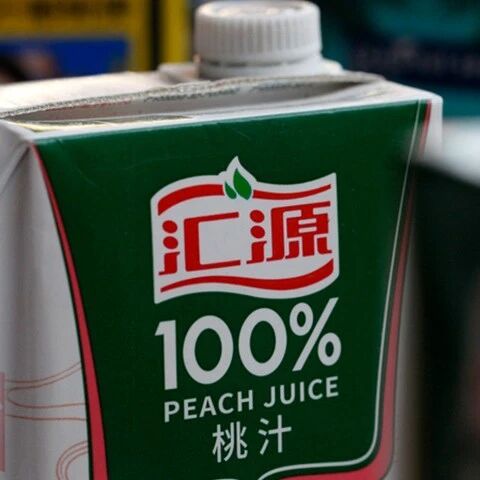
Core Viewpoint - The restructuring case of Huiyuan Juice, previously deemed "completely failed," appears to have a new turning point as Beijing Huiyuan Food and Beverage Co., controlled by Wensheng Assets, actively promotes its version of Huiyuan juice products [4][5]. Group 1: Restructuring Developments - Since January 2026, Beijing Huiyuan has begun recruiting global partners and announced plans to produce Huiyuan juice products through contract manufacturing, indicating a shift away from Huiyuan Group [6]. - On January 21, Beijing Huiyuan revealed the packaging for the Wensheng version of Huiyuan juice and claimed that the old packaging produced by Huiyuan Group was unauthorized [6]. - Huiyuan Group has responded by suing Wensheng Assets for breach of contract and has sought to regain control of the Huiyuan brand [6][9]. Group 2: Market Presence and Competition - Despite the aggressive marketing by Beijing Huiyuan, there is currently no visible presence of the Wensheng version of Huiyuan juice in the market, with reports indicating that only Huiyuan Group's products are available [7][9]. - Some regions have completed the recruitment of distributors for the new products, but the actual sales of the Wensheng version remain unobserved in retail channels [7][9]. - Huiyuan Group is leveraging its supply chain advantages to maintain lower prices, thereby pressuring Wensheng Assets and its distributors [9]. Group 3: Legal and Financial Complications - The ownership structure of Beijing Huiyuan has changed, with Guangdong Min Investment becoming a new shareholder, complicating the restructuring process [11]. - Wensheng Assets was supposed to inject 1.6 billion yuan into Beijing Huiyuan over three years, but only the first installment of 750 million yuan has been received [12]. - Legal disputes involving Guangdong Min Investment have stalled the acquisition process by Guozhong Water, leading to a public escalation of conflicts between Wensheng Assets and Beijing Huiyuan [13]. Group 4: Future Outlook - The ongoing disputes and market dynamics suggest that both parties may need to reassess their strategies to protect their interests, as continued conflict may not be beneficial [14]. - There is uncertainty regarding whether Guozhong Water will pursue the acquisition of Beijing Huiyuan further, depending on the resolution of existing legal issues [15].

“两个汇源”,正面对垒
Di Yi Cai Jing· 2026-01-22 03:32
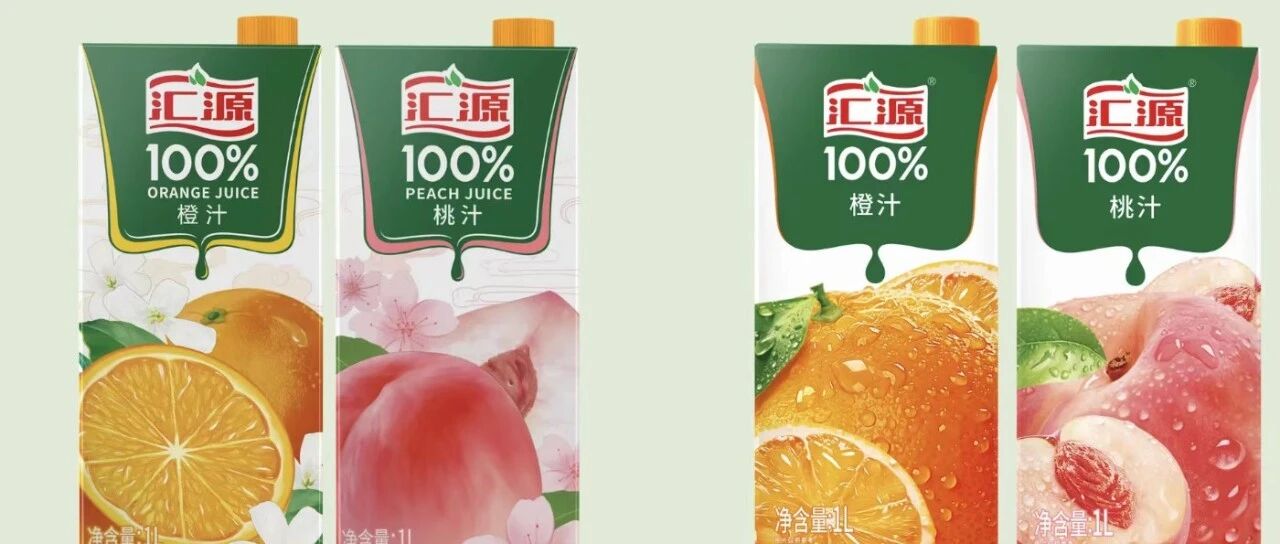
Core Viewpoint - The restructuring case of Huiyuan appears to have a new twist despite previous perceptions of its failure, with Beijing Huiyuan actively promoting a new version of Huiyuan juice products under the control of Wensheng Assets [1][2]. Group 1: Business Conflict - Since January 2026, Beijing Huiyuan has been actively recruiting partners and announced plans to produce Huiyuan juice products independently, indicating a strong intent to replace Huiyuan Group [2]. - On January 21, Beijing Huiyuan revealed the packaging of the Wensheng version of Huiyuan juice and claimed that the old packaging produced by Huiyuan Group was unauthorized [2]. - In response, Huiyuan Group filed a lawsuit against Wensheng Assets for breach of contract and sought property preservation from the court [2]. Group 2: Market Presence - Despite the escalating conflict, there is currently no visible presence of the Wensheng version of Huiyuan juice in the market, with reports indicating that only Huiyuan Group's products are available [3][4]. - Some regions have completed the recruitment of distributors for the new products, focusing on pure juice and larger packaging, but actual sales have not yet materialized [3]. Group 3: Restructuring Progress - The restructuring of Huiyuan has faced delays, with Wensheng Assets not wanting to take over the juice operations despite controlling the brand [5]. - Changes in shareholding occurred on December 29, 2025, with Yuedong Investment becoming a new shareholder of Wensheng Assets, holding approximately 13.7% [5][6]. - Legal disputes involving Yuedong Investment have hindered the acquisition process by Guozhong Water, which had planned to gain control over Beijing Huiyuan [6][7]. Group 4: Future Outlook - The ongoing legal issues and market dynamics suggest a complex situation for both Wensheng Assets and Huiyuan Group, with potential implications for future negotiations and market strategies [7][8]. - There is uncertainty regarding whether Guozhong Water will continue its acquisition efforts for Beijing Huiyuan, as the current disputes may not align with the interests of either party [8][9].
“两个汇源”,正面对垒
第一财经· 2026-01-22 03:22
Core Viewpoint - The restructuring case of Huiyuan appears to have a new twist, as Beijing Huiyuan is actively promoting a new version of Huiyuan juice products, indicating a potential revival despite previous setbacks [3][4]. Group 1: Business Competition - Since January 2026, Beijing Huiyuan has been actively recruiting partners and announced plans to produce Huiyuan juice products through contract manufacturing, signaling a shift away from Huiyuan Group [4]. - On January 21, Beijing Huiyuan revealed the packaging for the new version of Huiyuan juice and claimed that the old version produced by Huiyuan Group is unauthorized [4]. - In response, Huiyuan Group filed a lawsuit against Wen Sheng Asset for breach of contract and announced plans to regain control of the Huiyuan brand [5]. Group 2: Market Presence - Despite the aggressive marketing efforts by Wen Sheng Asset, there is currently no visible presence of the new version of Huiyuan juice in the market, with reports indicating that only Huiyuan Group's products are available [6][7]. - Some regions have completed the recruitment of distributors for the new products, but the actual sales of Wen Sheng's version have not materialized yet [6]. - Huiyuan Group is leveraging its supply chain advantages to lower market prices, putting pressure on Wen Sheng Asset and its distributors [7]. Group 3: Restructuring Progress - The restructuring of Huiyuan has faced delays, with Wen Sheng Asset's plans to invest 1.6 billion yuan over three years only partially fulfilled, as only the first installment of 750 million yuan has been received [10]. - Recent changes in shareholding of the major shareholder of Beijing Huiyuan have occurred, with Yue Min Investment becoming a new shareholder, holding approximately 13.7% [9]. - Legal disputes involving Yue Min Investment have complicated the acquisition process by Guo Zhong Water, which had planned to gain control over Beijing Huiyuan [9][10]. Group 4: Future Outlook - The ongoing disputes and market dynamics suggest that the future of the Huiyuan juice brand remains uncertain, with both parties needing to reassess their strategies for mutual benefit [12]. - There is speculation that the recent actions by Beijing Huiyuan may be a strategic move to strengthen its position in negotiations with Wen Sheng Asset [11].
“两个汇源”正面对垒!汇源重整真的黄了吗?
Di Yi Cai Jing· 2026-01-22 02:56
Core Viewpoint - The restructuring case of Huiyuan Juice, previously thought to be completely stalled, has shown signs of new developments amid ongoing legal battles and competitive tensions between Beijing Huiyuan and its former parent company, Wen Sheng Assets [2][9]. Group 1: Competitive Dynamics - Since January 2026, Beijing Huiyuan has actively sought partners in the global food industry while announcing plans to produce its own version of Huiyuan juice, indicating a strong intent to replace the original brand [4]. - In response, Huiyuan Group filed a lawsuit against Wen Sheng Assets for breach of contract and sought property preservation, signaling a significant escalation in their conflict [6]. - Despite the aggressive marketing efforts by Beijing Huiyuan, the new Wen Sheng version of Huiyuan juice has yet to appear in the market, with reports indicating that existing sales are still dominated by Huiyuan Group's products [7]. Group 2: Restructuring Progress - The restructuring of Huiyuan has faced significant delays, with Wen Sheng Assets appearing reluctant to take on the role of juice operator despite controlling the brand [9]. - Recent changes in shareholding of Beijing Huiyuan have occurred, with Guangdong Min Investment becoming a new shareholder, holding approximately 13.7% of shares, complicating the restructuring process [10]. - Legal disputes involving Guangdong Min Investment have halted the acquisition plans by Guozhong Water, which had intended to gain a controlling stake in Beijing Huiyuan [12]. Group 3: Market Position and Challenges - Despite the turmoil, Huiyuan remains a dominant player in the high-concentration juice market in China, maintaining nearly 3 billion in annual revenue, showcasing its strong brand and distribution channels [8]. - The challenges for Wen Sheng Assets include product taste, cost control, and distributor recruitment, which are critical for successfully launching the new juice line [8]. - The ongoing legal and operational disputes suggest that both parties are maneuvering to protect their interests, with potential for future negotiations if beneficial for all involved [13].
汇源果汁发布三种辨认正品方式
Cai Jing Wang· 2026-01-21 14:16
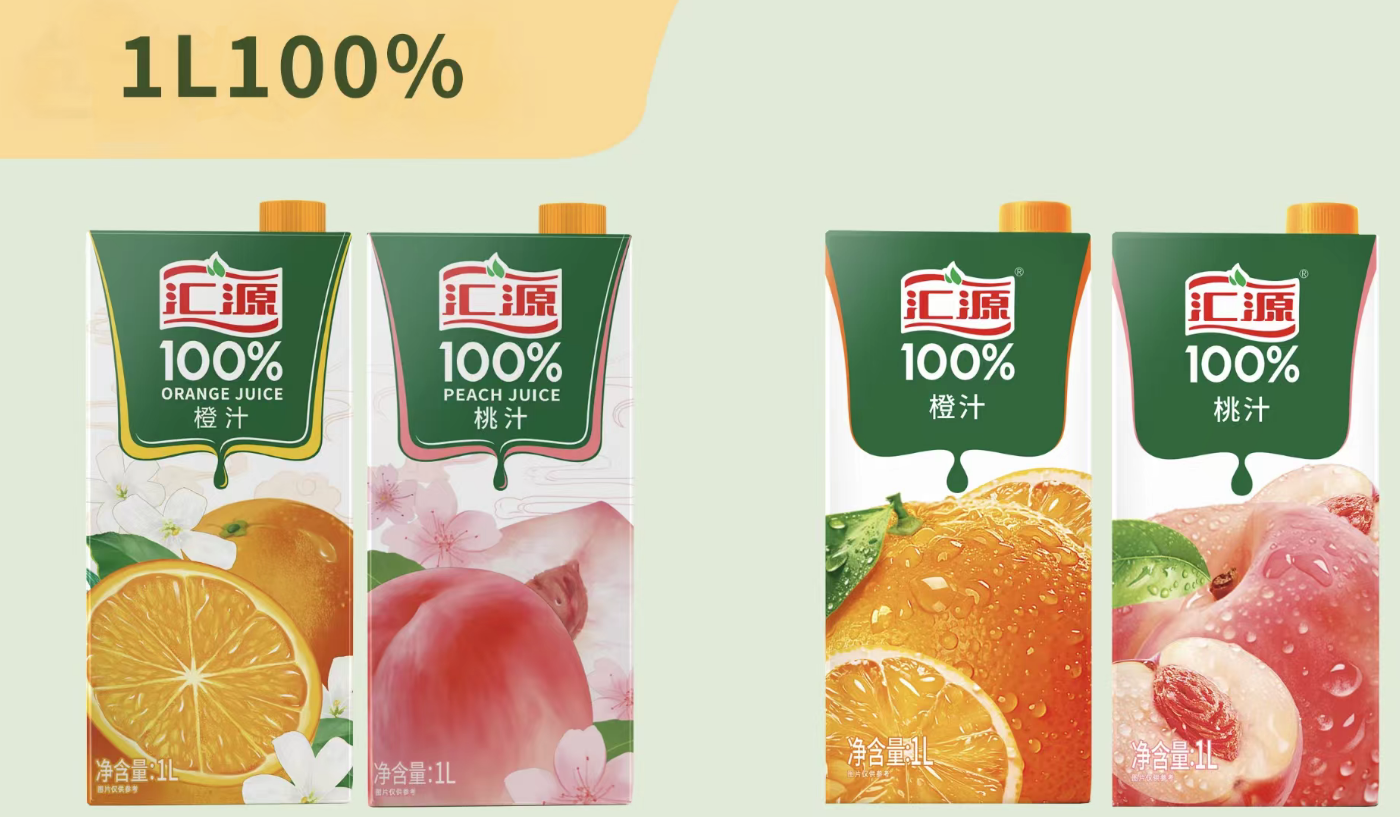
Core Viewpoint - Huiyuan Juice has launched a new packaging design and introduced three methods for consumers to identify authentic products [1] Group 1: Packaging and Design - The new packaging features a clear design with a simplified green shield logo and fresh fruit illustrations, made from high-quality eco-friendly materials [1] - The tactile quality of the packaging is described as smooth and substantial, enhancing the overall consumer experience [1] Group 2: Trademark and Branding - All new products will prominently display a trademark statement indicating that "Huiyuan" is a registered trademark of Beijing Huiyuan Food and Beverage Co., Ltd. in China and other countries [1] Group 3: Production and Authorization - The new products are produced by three authorized factories: Guanxian Huiyuan Agricultural Development Co., Ltd., Huayang Beverage (Suiping) Co., Ltd., and Chuzhou Huaguan Beverage Co., Ltd. [1] - Consumers are advised to check the packaging for production factory information, as other manufacturers do not have official authorization from Huiyuan [1] - The company plans to expand its production partnerships under strict admission standards to better meet consumer demand and improve supply efficiency [1]
新浪财经资讯AI速递:昨夜今晨财经热点一览 丨2026年1月21日
Xin Lang Cai Jing· 2026-01-20 22:30
Group 1: Market Dynamics - The geopolitical tensions surrounding Greenland and Japan's fiscal concerns have disrupted the previously calm market, leading to significant declines in U.S. stocks and a rise in gold prices [1][8] - Investors are shifting from a dismissive attitude towards geopolitical risks to a more cautious stance, fearing potential outcomes like NATO disintegration or a full-scale trade war [1][8] Group 2: Investment Opportunities - Goldman Sachs reports that China's State Grid will invest 4 trillion yuan during the 14th Five-Year Plan, a 40% increase from the previous plan, benefiting companies like TBEA and Sanyuan Electric [9] - The focus of investment will shift towards accommodating renewable energy and digital loads, with a strong emphasis on ultra-high voltage and smart grid technologies [9] Group 3: Trade and Economic Growth - In 2025, Anhui province will join China's "trillion-dollar foreign trade club" with a total trade value of 10,135.57 billion yuan, driven by a robust industrial base, particularly in the automotive sector [10] - Henan province is also on track to join this club, with a foreign trade value exceeding 9,300 billion yuan, indicating a competitive landscape in the central region [10] Group 4: Currency and Financial Trends - The internationalization of the renminbi has progressed significantly, elevating it from a "peripheral currency" to a "secondary reserve currency," with expectations for further integration into global finance [12] - The focus for the upcoming Five-Year Plan will be on enhancing the international acceptance of the renminbi and promoting high-quality capital project openings [12] Group 5: Regulatory Actions - The Shanghai Futures Exchange has announced an increase in margin requirements and trading limits for various commodities, including copper and gold, in response to market volatility [13] - This regulatory action reflects a broader trend of risk management in the face of significant price fluctuations in the commodities market [13] Group 6: Corporate Issues - The company *ST Lifan has faced scrutiny due to allegations of financial fraud, leading to a significant drop in its stock price despite a temporary surge following a public letter from its controlling shareholder [15] - The company has reported continuous losses and is at risk of forced delisting, highlighting the challenges it faces in maintaining operational integrity [15] Group 7: Brand and Market Conflicts - The juice brand Huiyuan is embroiled in a trademark and market dispute, with conflicting claims from its founder and a restructuring investor, leading to confusion in product distribution [16] - This internal conflict has severely impacted Huiyuan's market share, indicating the risks associated with brand management and market positioning [16]
谁是真汇源?
经济观察报· 2026-01-20 12:30
Core Viewpoint - The article discusses the intense trademark dispute between two entities claiming the "Huiyuan" brand, leading to confusion in the market regarding the authenticity of Huiyuan products [2][3][22]. Trademark Dispute - The core of the conflict revolves around the ownership and usage rights of the "Huiyuan" trademark, with both parties asserting their legitimacy [5][14]. - On January 8, 2025, Huiyuan Group announced its intention to fully take over Beijing Huiyuan, citing a breach of investment agreement by its partner, Wensheng Asset Management [5][9]. - Beijing Huiyuan claims that the trademark ownership is clear and undisputed, asserting that it has halted any authorization for Huiyuan Group to produce its products [6][14]. Financial Issues - The financial dispute stems from differing interpretations of the restructuring investment agreement, with Huiyuan Group accusing Wensheng Asset of failing to fulfill its financial commitments [9][10]. - Beijing Huiyuan contends that the funds from the restructuring plan were used appropriately for debt repayment and operational costs, while Huiyuan Group claims that the funds were not utilized for production [9][10]. Market Impact - The ongoing dispute has led to significant disruptions in the market, with some e-commerce platforms reporting prolonged stock shortages of Huiyuan products since September 2025 [22][23]. - The market share of Huiyuan has drastically declined from 53.4% in 2016 to 11.0% in 2025, trailing behind competitors like Coca-Cola [22].
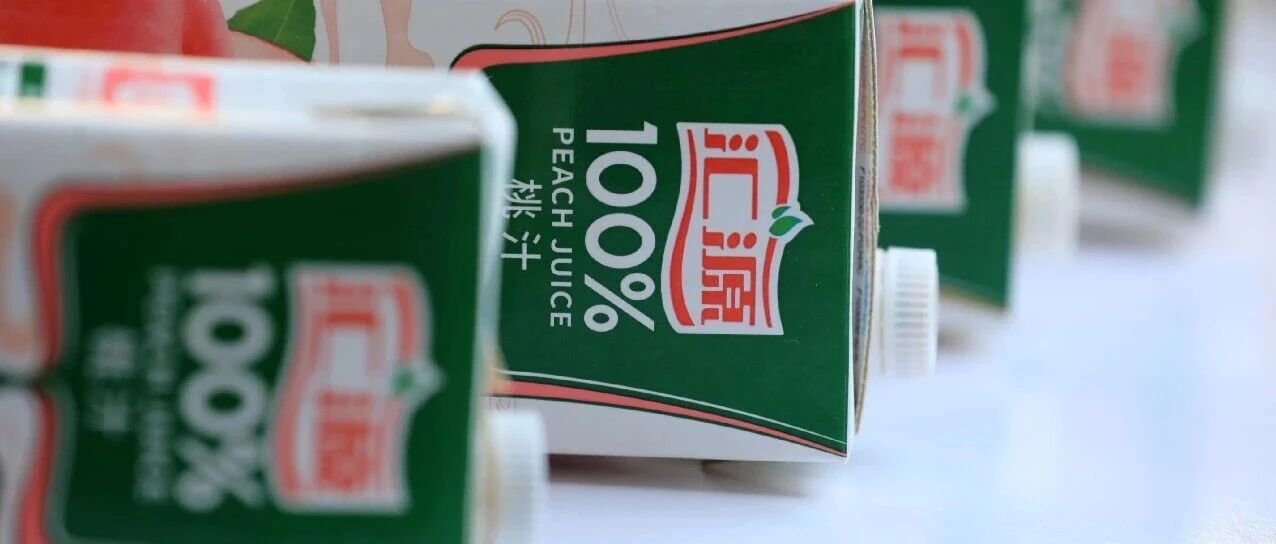
谁是真汇源?
Jing Ji Guan Cha Wang· 2026-01-20 09:50
Core Viewpoint - The article discusses the intense trademark dispute between two entities associated with the "Huiyuan" brand, leading to confusion in the market regarding the authenticity of Huiyuan juice products as the sales season approaches [2][3]. Trademark Dispute - The focal point of the conflict is the ownership and usage rights of the "Huiyuan" trademark, with both parties claiming legitimacy [4]. - The dispute escalated after Huiyuan Group announced on January 8 that it would fully take over Beijing Huiyuan, citing a breach of investment agreement by its partner, Wensheng Asset [5][6]. - Beijing Huiyuan asserts that it is an independent legal entity and that the "Huiyuan" trademark ownership is clear and undisputed, belonging to them [6][9]. Financial Discrepancies - The underlying financial disagreements stem from differing interpretations of the restructuring investment agreement, with Huiyuan Group accusing Wensheng Asset of failing to fulfill its financial commitments [7][8]. - Beijing Huiyuan claims that the funds from the initial investment were used appropriately for debt repayment and operational costs, while Huiyuan Group contends that the funds were misappropriated [7][8]. Market Impact - The conflict has led to significant disruptions in the market, with reports of product shortages on e-commerce platforms and confusion among consumers regarding the authenticity of products [16][17]. - The market share of Huiyuan juice has significantly declined, dropping from 53.4% in 2016 to 11.0% in 2025, indicating a loss of competitive position against rivals like Coca-Cola [18].