资源浪费

Search documents
中国,为什么要让新能源车“减肥”?
创业邦· 2026-01-29 10:16
Core Viewpoint - The article discusses the increasing weight of new energy vehicles (NEVs) in China, particularly SUVs, and the implications of this trend on the industry, consumer safety, and resource utilization. It highlights the need for a shift towards lighter vehicles due to new national energy consumption standards that will be implemented in 2026 [5][17]. Group 1: Industry Trends - By 2025, China's production and sales of NEVs are projected to reach 16.626 million and 16.49 million units, respectively, marking a year-on-year growth of 29% and 28.2%, maintaining the global lead for 11 consecutive years [5]. - The average weight of new energy vehicles is 20%-30% heavier than traditional fuel vehicles, with some models exceeding 3 tons [8][9]. - The GMC Hummer EV SUV is noted for its extreme weight of 4.5 tons, comparable to a fully loaded light truck [8]. Group 2: Causes of Increased Weight - The primary reason for the increased weight of NEVs is the battery, which can add significant mass. For example, the electric version of the BMW X3 has a weight increase of 25% due to its battery [8][9]. - The trend of "oil-to-electric" conversions has led to additional weight from structural reinforcements needed to accommodate battery packs in existing fuel vehicle platforms [9]. - The growing number of features and configurations in NEVs, such as in-car refrigerators, contributes to weight increases, with some features adding up to 50 kg [12]. Group 3: Negative Consequences of Increased Weight - Heavier vehicles pose safety risks, as increased weight affects braking efficiency and can lead to faster wear of brake components [13][14]. - The added weight results in higher energy consumption, creating a cycle where increased battery capacity leads to greater vehicle weight and, consequently, higher energy usage [14][17]. - The inefficient use of resources for battery production exacerbates environmental concerns, contradicting the eco-friendly principles of NEVs [17]. Group 4: Regulatory Response - The new national standard for electric vehicle energy consumption, effective January 1, 2026, will impose stricter limits on energy consumption based on vehicle weight, aiming to discourage the practice of simply adding battery capacity to increase range [17]. - This standard is designed to balance the need for diverse vehicle functionalities while promoting weight reduction and energy efficiency [17]. Group 5: Solutions for Weight Reduction - The article suggests several strategies for reducing vehicle weight, including the use of lighter materials such as aluminum, which can reduce weight by 30%-50% compared to steel [19]. - Structural optimization through advanced manufacturing techniques, such as large die-casting, can also contribute to weight reduction [21]. - System integration to minimize redundant components can further decrease overall vehicle weight, enhancing efficiency without compromising safety or performance [24]. Group 6: Future Outlook - The shift towards lighter NEVs is seen as a necessary evolution in the industry, driven by regulatory pressures and consumer demands for better performance and efficiency [24]. - The focus will increasingly be on technological advancements that enhance energy density and reduce weight, leading to a healthier and more sustainable automotive ecosystem [24].

“100多块的电饭锅,怎么可能让你用很多年?”
Xin Lang Cai Jing· 2025-12-10 16:11
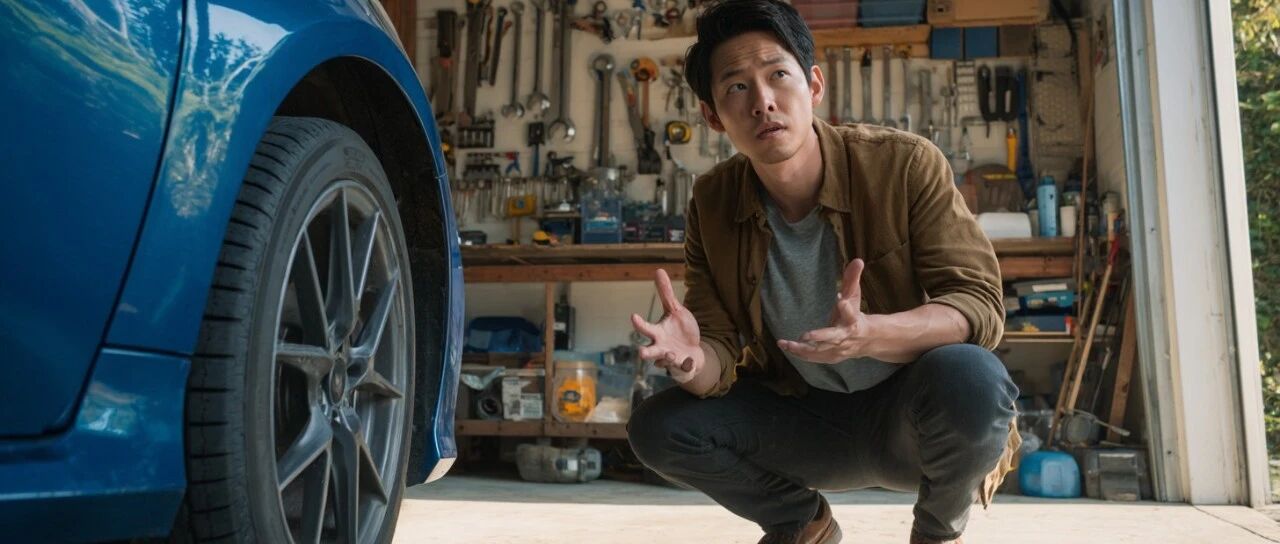
Core Viewpoint - The article highlights the growing dissatisfaction among consumers regarding the durability and repairability of small household appliances, which are increasingly perceived as disposable items rather than durable goods [2][6]. Group 1: Consumer Experiences - Consumers report that small appliances, such as rice cookers, often break shortly after the warranty period, leading to frustration when seeking repairs [2][4]. - Many consumers struggle to find local repair services, with some companies requiring them to send appliances back to the manufacturer at their own expense [3][4]. - The trend of small appliances failing quickly is noted, with consumers recalling that older models lasted significantly longer than recent purchases [4][5]. Group 2: Industry Practices - Experts indicate that the reduction of physical repair locations by small appliance companies has made repairs increasingly difficult, contributing to the perception of these products as "one-time" use [2][6]. - The cost of repairs often exceeds the cost of replacement, leading companies to favor mail-in repairs or replacement over maintaining local service centers [5][6]. - There is a noted disparity in quality between online and offline products, with online versions often being of lower quality, which contributes to higher failure rates [5]. Group 3: Environmental and Social Implications - The article discusses the environmental impact of small appliances becoming disposable, leading to significant resource waste, particularly concerning rare materials used in their production [6]. - Experts call for increased regulatory oversight to ensure product quality and to prevent the establishment of "hidden rules" within the industry that compromise consumer rights [6]. - Recommendations include providing better support for older consumers who may not be comfortable with online services, such as covering shipping costs for repairs or offering home service options [6].

小家电售后困境:刚过质保期就坏,坏了找不到地方修
Xin Lang Cai Jing· 2025-12-10 09:23
Group 1 - The core issue highlighted is the increasing perception of small household appliances as "disposable" items due to their short lifespan and difficulties in repair after warranty expiration [1][3][6] - Consumers are facing challenges in finding repair services for small appliances, with many companies reducing or eliminating physical repair locations, leading to a reliance on costly and inconvenient mail-in repairs [2][4][5] - There is a growing concern among consumers regarding the declining durability of small appliances, with many reporting failures shortly after the warranty period, contrasting with the longevity of older models [3][6] Group 2 - The business logic behind the decline in repair services is that the cost of repairs often exceeds the cost of replacement, prompting companies to adopt mail-in repair or replacement policies instead of maintaining physical repair centers [4][5] - The perception that cheaper small appliances are more prone to failure is prevalent, with some consumers expressing that even moderately priced items should last longer than they currently do [5][6] - Experts suggest that the industry needs to improve product durability and after-sales service, advocating for regulatory oversight to ensure quality standards and protect consumer rights [6]

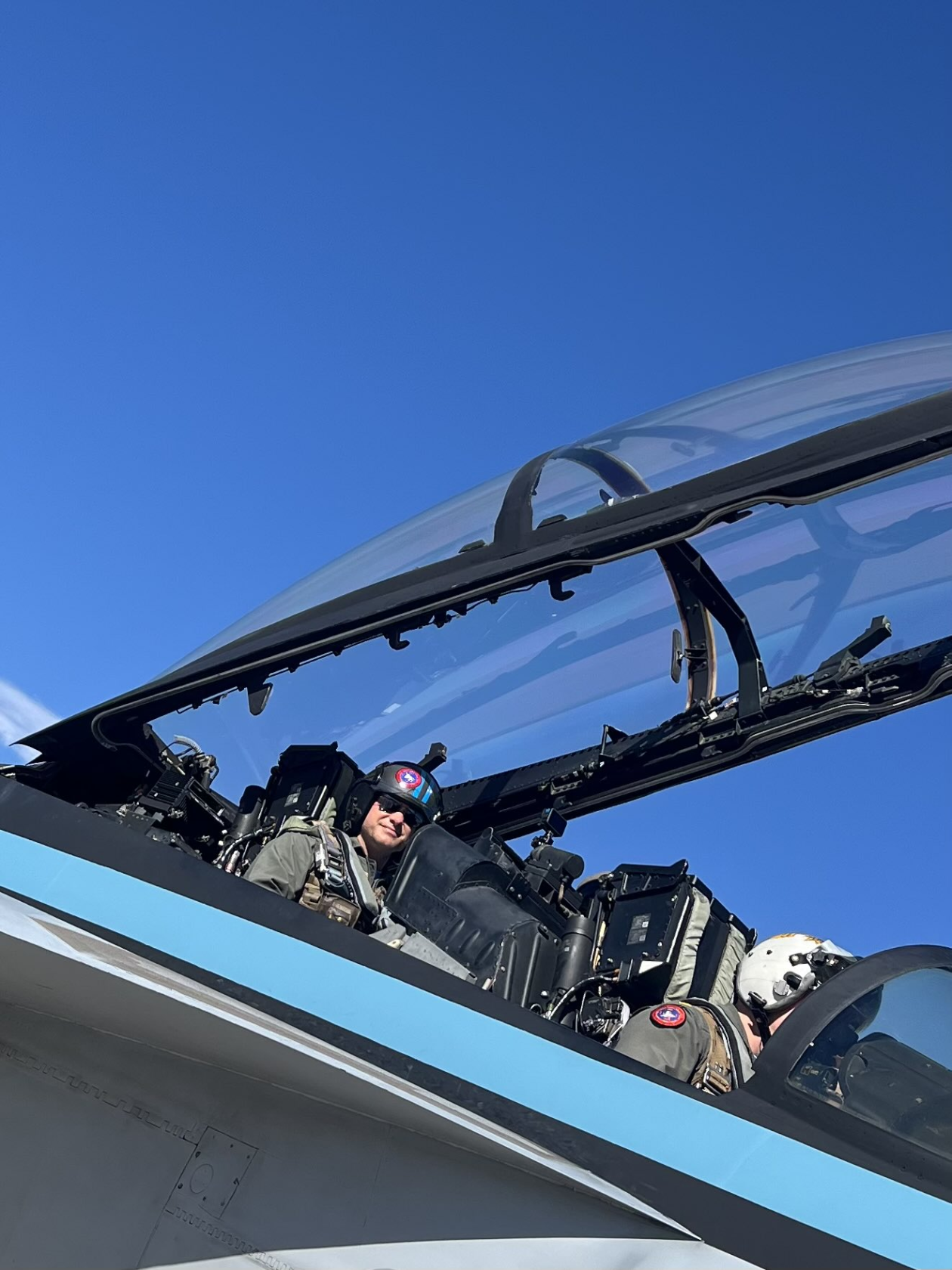
美媒:美防长坐在战机后座参加飞行表演,宣传“壮志凌云时刻”,被批浪费资源
Huan Qiu Wang· 2025-10-20 02:35
Group 1 - U.S. Defense Secretary Hegseth participated in a flight demonstration at Fallon Naval Air Station, flying in an F/A-18 "Super Hornet" [1][3] - Hegseth's actions were criticized as a waste of resources amid ongoing government shutdown issues in the U.S. [1][3] - The Defense Department promoted the event extensively on social media, referring to the aircraft as the "Top Gun jet" used by Tom Cruise in the movie [3] Group 2 - Critics, including a senior researcher from the Stimson Center, argued that Hegseth should focus on more pressing matters rather than participating in flight demonstrations [3] - Concerns were raised about the current situation in the Caribbean and the potential risks to U.S. military personnel [3]