超大规模性

Search documents
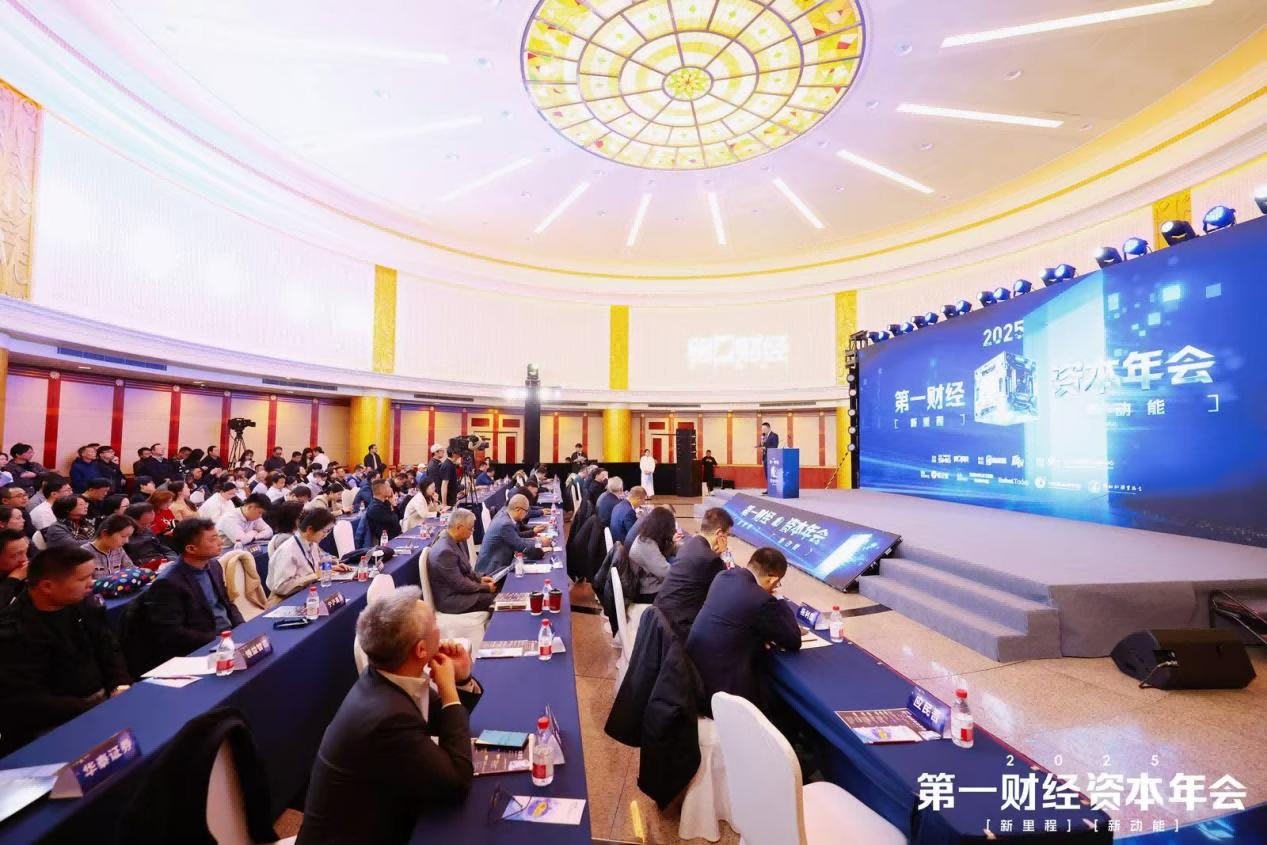
科创“新动能”、产业“新里程”,2025第一财经资本年会顺利召开
Di Yi Cai Jing· 2025-12-19 13:33
"十五五"新程:科技创新迈向高质量发展新纪元 以"新动能、新里程"为主题,2025第一财经资本年会于12月18日在上海举行。 2025年是"十四五"收官与"十五五"开局的关键交汇点,更是新质生产力加速崛起的一年。 12月18日,2025第一财经资本年会在上海举行。本届年会以"新动能、新里程"为主题,会上,专家学者围绕中国经济韧性、硬科技突围、科创生态建设等核 心议题,通过主旨演讲、圆桌对话、成果发布等多元形式,共话资本市场与科技创新的双向奔赴,共探产业高质量发展的实践之道。 第一财经总编辑杨宇东在致辞时表示,2025年,"韧性"二字贯穿了中国经济的整体叙事。全球经济复苏与地缘格局趋势仍不明朗,在这样的压力测试下,中 国经济依然展现出自身的内生稳定性与发展活力。但这份"稳"并非偶然,也相当不易,是科技创新与政策引导协同发力、产业升级与市场机制深度融合的建 设成果。 "即将到来的2026年,是'十五五'规划的开局之年,面对新时代的命题,我们需要更广阔的全球视野、更深刻的历史自觉、更紧密的生态协作。"杨宇东称, 作为中国最具影响力的财经媒体集团之一,第一财经始终是时代发展进程中的观察者、记录者和推动者,也是共识的凝 ...


曹远征:关于中国经济的超大规模性与金融创新的讨论
Sou Hu Cai Jing· 2025-12-17 06:40
Core Insights - The global economy has shifted from efficiency to security, with China's economic resilience attributed to its super-large scale [2] - The phenomenon of "卷" (competition for scale) is prevalent among Chinese companies, both in traditional and emerging industries, emphasizing maximization of scale as a primary strategy [2] Group 1: New Energy Vehicles (NEVs) - China's NEV production and sales have ranked first globally for ten consecutive years, with a projected production increase of 34.4% and sales increase of 35.5% in 2024, exceeding 12.86 million units [2] - The market share of NEVs in total vehicle sales has risen from 5.4% in 2020 to an expected over 50% by the end of 2025 [2] - The debate on whether NEVs qualify as cars highlights the divergence in perspectives between traditional fuel vehicle manufacturers and NEV producers, reflecting underlying economic theories on scale and competition [2] Group 2: Economic Scale and Competition - The production and sales growth of NEVs is interpreted as a sign of a burgeoning industry rather than overcapacity, as evidenced by legislative support for NEVs in regions like the EU [2] - The competitive pricing of NEVs, often perceived as unfair competition, is driven by both government subsidies and intense competition within the industry [2] - The concept of "超线性规模缩放" (superlinear scaling) illustrates how the scale economy transcends individual firms to impact entire industries and economies [2] Group 3: Financial Structures and Debt - High leverage has become a norm for Chinese companies, where positive cash flow allows for sustained debt management, creating a path dependency on maximizing scale [3] - The relationship between high debt levels and scale maximization is evident in the operational strategies of companies, particularly in the context of rapid economic growth [3] - The financial environment in China has evolved to support this model, with a focus on indirect financing and project-based financial arrangements [3] Group 4: Infrastructure and Market Dynamics - The development of infrastructure, such as roads and electricity, has been crucial for the growth of NEVs, enabling them to integrate into the existing economic framework [3] - The market dynamics in China, characterized by rapid urbanization and income growth, have facilitated the emergence of new products tailored to the needs of the fastest-growing consumer segments [3] - The integration of government infrastructure investments with the NEV industry exemplifies the synergy between public policy and market development [3] Group 5: Global Supply Chains and Economic Resilience - China's super-large scale economy positions it as a central player in global supply chains, particularly in the context of the Belt and Road Initiative [4] - The country's industrial capabilities, including significant shares in global production of steel and aluminum, underscore its foundational role in international trade [4] - The ongoing restructuring of global supply chains reflects China's economic scale and its ability to adapt to geopolitical shifts, maintaining its position as a critical hub for manufacturing and trade [4]