超级富豪税

Search documents
硅谷超级富豪们正在仓皇逃离加州
投中网· 2026-01-14 06:35
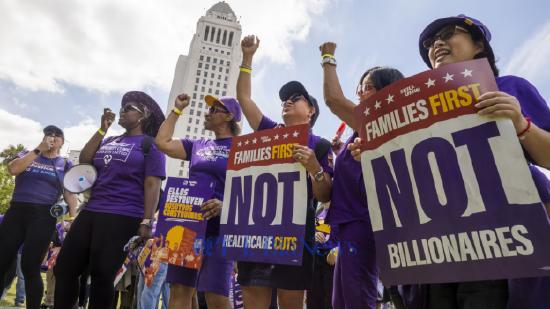
Core Viewpoint - The article discusses the potential implementation of a one-time 5% wealth tax on billionaires in California, driven by the state's ongoing budget deficit and the increasing wealth of its billionaires. It highlights the political divide within the Democratic Party regarding this proposal and the actions of wealthy individuals relocating out of California to avoid potential taxation [5][11][26]. Group 1: California's Economic Situation - California, the wealthiest and most populous state in the U.S., is facing a projected budget deficit of nearly $18 billion for the fiscal year 2026-27, marking the fourth consecutive year of fiscal shortfall. Structural deficits could rise to $35 billion by 2027-28 [7]. - Despite a booming stock market fueled by AI, which has increased tax revenues, California's public spending, particularly on healthcare programs like MediCal, is outpacing revenue growth [7][8]. Group 2: Wealth Tax Proposal - The proposed "Billionaire Tax Act" aims to levy a one-time 5% tax on approximately 200-250 billionaires in California, with the tax base set as of January 1, 2026. This tax could raise about $100 billion over five years, with 90% allocated to healthcare services and 10% to education and food assistance [8][9][10]. - Billionaires' collective wealth in California surged from $300 billion in 2011 to over $2.2 trillion by 2025, with an average annual growth rate of 7.5%, significantly outpacing the 1.5% growth rate of ordinary incomes [9][26]. Group 3: Political Divide - California Governor Gavin Newsom opposes the wealth tax, arguing it could drive innovation and economic activity out of the state, potentially harming middle-class jobs and long-term tax revenues [11][12]. - There is a notable split among Democrats, with some supporting the tax as a means to address inequality, while others warn of the negative consequences seen in other countries that have implemented similar taxes [11][12][26]. Group 4: Wealthy Individuals' Responses - High-profile billionaires, including Google co-founders Larry Page and Sergey Brin, have begun relocating their businesses and residences out of California, signaling a preemptive move against the proposed tax [14][15]. - Elon Musk has already moved to Texas, citing both dissatisfaction with California's regulations and the financial benefits of avoiding high state taxes [19][21]. Group 5: Challenges of Implementation - The wealth tax faces significant challenges, particularly in assessing and collecting taxes on assets primarily held in stock, which are not liquid. This could force billionaires to sell shares, potentially impacting stock prices and the broader economy [23][24]. - Legal challenges are anticipated if the tax is approved, with concerns about its constitutionality and the potential for capital flight from California [24][28]. Group 6: Broader Implications - The debate over the wealth tax reflects a broader shift in American politics towards addressing income inequality, with younger voters increasingly supporting measures to tax the wealthy [26][27]. - The outcome of this proposal could set a precedent for wealth redistribution policies in other states, impacting the future of capitalism in the U.S. [28][29].




硅谷超级富豪们正在仓皇逃离加州
创业邦· 2026-01-13 03:44
Core Viewpoint - The article discusses the potential implementation of a one-time 5% wealth tax on billionaires in California, driven by the state's ongoing budget deficit and the increasing wealth of its billionaires. This proposal has sparked significant debate among political figures and the wealthy, many of whom are already relocating out of California to avoid potential taxation [5][10][14]. Group 1: California's Economic Situation - California, the wealthiest and most populous state in the U.S., is facing a projected budget deficit of nearly $18 billion for the 2026-27 fiscal year, marking the fourth consecutive year of fiscal shortfall [7][8]. - The state's structural deficit could rise to $35 billion by the 2027-28 fiscal year, exacerbated by rising public spending, particularly in healthcare programs like MediCal [8][10]. Group 2: Wealth Tax Proposal - The proposed "2026 Billionaire Tax Act" aims to impose a one-time 5% tax on approximately 200-250 billionaires residing in California, with the tax base set as of January 1, 2026 [10][11]. - Supporters argue that California billionaires' collective wealth has surged from $300 billion in 2011 to over $2.2 trillion by 2025, with their average wealth growth rate significantly outpacing that of ordinary citizens [10][35]. - The tax would cover various assets, including stocks, bonds, and intellectual property, while excluding real estate and retirement accounts [10]. Group 3: Political Divisions - The proposal has led to notable divisions within the California Democratic Party, with Governor Gavin Newsom opposing the tax, citing concerns over innovation and economic outflow [14][15]. - Some local leaders, like San Jose Mayor Matt Mahan, also express opposition, fearing that the tax could drive billionaires and their companies out of California, ultimately burdening the middle class [15]. Group 4: Wealthy Individuals' Reactions - High-profile billionaires, including Google co-founders Larry Page and Sergey Brin, have begun relocating their businesses and residences out of California, signaling a preemptive response to the proposed tax [19][21]. - Elon Musk has already moved to Texas, citing both dissatisfaction with California's regulations and the financial benefits of avoiding high state taxes [25][26]. Group 5: Challenges of Implementation - The wealth tax faces significant challenges, particularly in assessing and taxing wealth primarily held in stock, which is not easily liquidated [29]. - Critics argue that the tax could lead to capital flight, as evidenced by historical failures of wealth taxes in other countries, which often resulted in reduced tax revenues and economic vitality [15][37]. Group 6: Broader Political Implications - The debate over the wealth tax reflects a broader shift in American politics towards addressing income inequality, with increasing support for progressive taxation among younger voters [36][37]. - The outcome of this proposal could set a precedent for similar measures in other states, influencing the future of wealth distribution and taxation in the U.S. [37].

硅谷超级富豪们正在仓皇逃离加州
Xin Lang Ke Ji· 2026-01-11 23:43
Group 1 - The article discusses the potential implementation of a one-time 5% wealth tax on billionaires in California, driven by the state's ongoing budget deficit and increasing public spending, particularly in healthcare [2][5][27] - California is facing a projected budget deficit of nearly $18 billion for the 2026-27 fiscal year, marking the fourth consecutive year of fiscal shortfall, with structural deficits potentially rising to $35 billion by 2027-28 [2][5] - The wealth of California billionaires has surged from $300 billion in 2011 to over $2.2 trillion by 2025, with a significant disparity in tax rates compared to average Americans [5][26] Group 2 - The proposal for the wealth tax is supported by various labor unions and progressive groups, aiming to collect approximately $100 billion over five years, primarily for healthcare services [5][23] - However, there is notable division within the Democratic Party regarding the proposal, with Governor Gavin Newsom opposing it due to concerns about innovation and economic outflow [7][8] - Historical examples from Europe show that wealth taxes often lead to capital flight and do not yield the expected revenue, raising concerns about the potential impact on California's economy [8][27] Group 3 - Prominent billionaires, including Google co-founders Larry Page and Sergey Brin, have begun relocating their businesses and residences out of California in anticipation of the proposed tax [11][13] - Elon Musk has already moved his residence to Texas, significantly reducing his tax burden, which highlights the trend of wealthy individuals leaving California due to tax concerns [15][17] - The article emphasizes the challenges of taxing wealth primarily held in stock, as many billionaires may lack sufficient liquid assets to cover substantial tax bills, potentially leading to stock sales that could depress market values [20][22] Group 4 - The political climate surrounding the wealth tax reflects a broader shift in American politics, with increasing calls for wealth redistribution amid growing income inequality [24][26] - The article suggests that the outcome of the wealth tax debate could set a precedent for other states and influence the future of wealth distribution in the U.S. [28] - The discussion also highlights the need for a balance between fostering innovation and ensuring fair wealth distribution, as the current economic model faces sustainability challenges [28][30]
硅谷超级富豪们正在仓皇逃离加州|硅谷观察
Xin Lang Cai Jing· 2026-01-11 23:27
Group 1 - California is facing a significant budget deficit, projected to reach nearly $18 billion for the 2026-27 fiscal year, marking the fourth consecutive year of fiscal shortfall [3][31] - The state has seen its collective wealth among billionaires surge from $300 billion in 2011 to over $2.2 trillion by 2025, with a wealth growth rate of approximately 7.5% annually, significantly outpacing the 1.5% growth rate of average incomes [5][33] - A proposed one-time 5% wealth tax on billionaires aims to address the budget deficit, potentially raising around $100 billion over five years, with 90% allocated to healthcare services [5][34] Group 2 - The proposal has sparked notable divisions within the California Democratic Party, with Governor Gavin Newsom opposing it, citing concerns over potential capital flight and negative impacts on middle-class jobs [8][36] - Historical precedents from other countries indicate that wealth taxes often lead to capital flight and do not yield the expected tax revenues, as seen in France and Sweden [9][37] - Supporters of the wealth tax argue that it is a necessary measure to ensure the wealthy contribute fairly, especially in light of rising public service funding needs [24][53] Group 3 - High-profile billionaires, including Larry Page and Elon Musk, have begun relocating their residences out of California, signaling a potential exodus in response to the proposed tax [11][44] - The tax proposal's implementation faces challenges, particularly in assessing wealth primarily held in stock, which complicates the collection of taxes [46][48] - The political landscape surrounding the wealth tax reflects a broader shift in American politics, with increasing calls for wealth redistribution amid growing income inequality [52][54]
特朗普又反悔?这次要推动上调“超级富豪税”
第一财经· 2025-05-09 12:00
Core Viewpoint - The article discusses the potential adjustment of the "super-rich tax" by President Trump, proposing to raise the highest personal income tax rate from 37% to 39.6% for individuals earning over $2.5 million annually, amidst internal Republican debates and concerns about its implications for the party and the economy [1][3]. Group 1: Tax Policy Changes - Trump is considering increasing the highest personal income tax rate for high earners, which could lead to significant financial implications for wealthy individuals and the economy [1]. - The proposed tax increase is part of a broader Republican strategy to address budget deficits without major cuts to social programs, aiming to counter Democratic criticisms regarding tax cuts for the wealthy [3][5]. Group 2: Internal Republican Disagreements - There are differing opinions within the Republican Party regarding the tax increase, with some members supporting it as a means to enhance legislative feasibility, while others, including party leaders and business groups, oppose it, fearing it could lead to political backlash [4][5]. - The opposition highlights concerns that increasing taxes could be politically detrimental, potentially leading to losses in the House and reopening impeachment discussions against Trump [4]. Group 3: Economic Implications - Analysts predict that raising the tax rate could generate an additional $409 billion over the next decade but may also reduce incentives for work and investment, negatively impacting GDP growth [7]. - The proposed tax increase could disrupt the balance established by previous tax reforms, particularly affecting family businesses that benefit from tax credits designed to equalize tax burdens between individuals and corporations [7].
特朗普又反悔?这次要推动上调“超级富豪税”
Di Yi Cai Jing· 2025-05-09 11:01
Core Viewpoint - President Trump is considering raising the highest personal income tax rate for individuals earning over $2.5 million from 37% to 39.6%, despite previous opposition due to concerns about wealthy individuals leaving the country and political backlash [2][3]. Group 1: Tax Policy Considerations - Trump privately urged House Speaker Mike Johnson to increase the tax rate and close loopholes for Wall Street investors, indicating a potential shift in tax policy [3]. - The Republican Party is reportedly drafting a new tax cut bill, aiming for passage in the House by the end of May, but Trump's previous rejection of the tax increase reflects his concerns about its potential negative impact [3][4]. - The proposed increase in the "super-rich tax" has sparked internal debate within the Republican Party, with some members advocating for the tax hike to counteract accusations of favoring the wealthy [6]. Group 2: Opposition and Concerns - Key Republican figures, including Johnson and Gingrich, along with business groups, oppose the tax increase, fearing it could lead to significant political repercussions for the party [7][8]. - Analysts suggest that raising taxes on the wealthy contradicts the Republican Party's long-standing economic principles, indicating a shift in the party's voter base and a search for funding sources due to fiscal gaps created by previous tax cuts [8]. Group 3: Economic Impact Analysis - A recent analysis by the Tax Foundation estimates that raising the highest tax rate could generate $409 billion over the next decade but may also reduce incentives for work and investment, negatively affecting GDP growth [9]. - The proposed tax rate of 39.6%, when combined with state taxes, could result in a marginal effective tax rate exceeding 50% for many individuals [10]. - The success of this tax proposal within the Republican Party will test Trump's influence, with some party members expressing skepticism about the proposal's viability [11].