
超级独角兽上市潮

Search documents
马斯克暗示 SpaceX明年IPO?
Bei Jing Shang Bao· 2025-12-11 14:41
Core Viewpoint - SpaceX is reportedly accelerating its plans for an IPO, potentially achieving a valuation of $1.5 trillion, which could significantly increase Elon Musk's wealth and trigger a wave of "super unicorn" IPOs in the U.S. capital markets [1][5][6]. Company Overview - SpaceX, founded in 2002, aims to enable human colonization of Mars and has made significant advancements in private space exploration, including the successful launch of the Falcon 1 and the Dragon spacecraft [5]. - The company operates primarily in two segments: rocket launches and satellite internet, with its Starlink division deploying approximately 9,000 satellites and serving over 8 million active users globally [5][6]. IPO Details - The IPO is expected to raise over $30 billion, surpassing Saudi Aramco's previous record of $29 billion, making it the largest IPO in history [5][6]. - Musk holds about 42% of SpaceX, and the IPO could increase his net worth from $1.36 trillion to over $6.25 trillion, adding approximately $491 billion to his current wealth [6]. Market Impact - The potential IPO could reshape the U.S. capital market landscape, as many high-valuation private companies have avoided going public, leading to a stagnation in IPO activity since 2021 [8][9]. - If successful, SpaceX's IPO could attract significant institutional and retail investor interest, given its scale and growth potential [9]. Valuation Considerations - There are concerns regarding the valuation's sustainability, with experts questioning whether SpaceX can justify a trillion-dollar valuation based on its revenue and operational capacity [9]. - ARK Investment has projected that SpaceX's enterprise value could reach $2.5 trillion by 2030, driven by its satellite deployment and revenue generation capabilities [6][8].

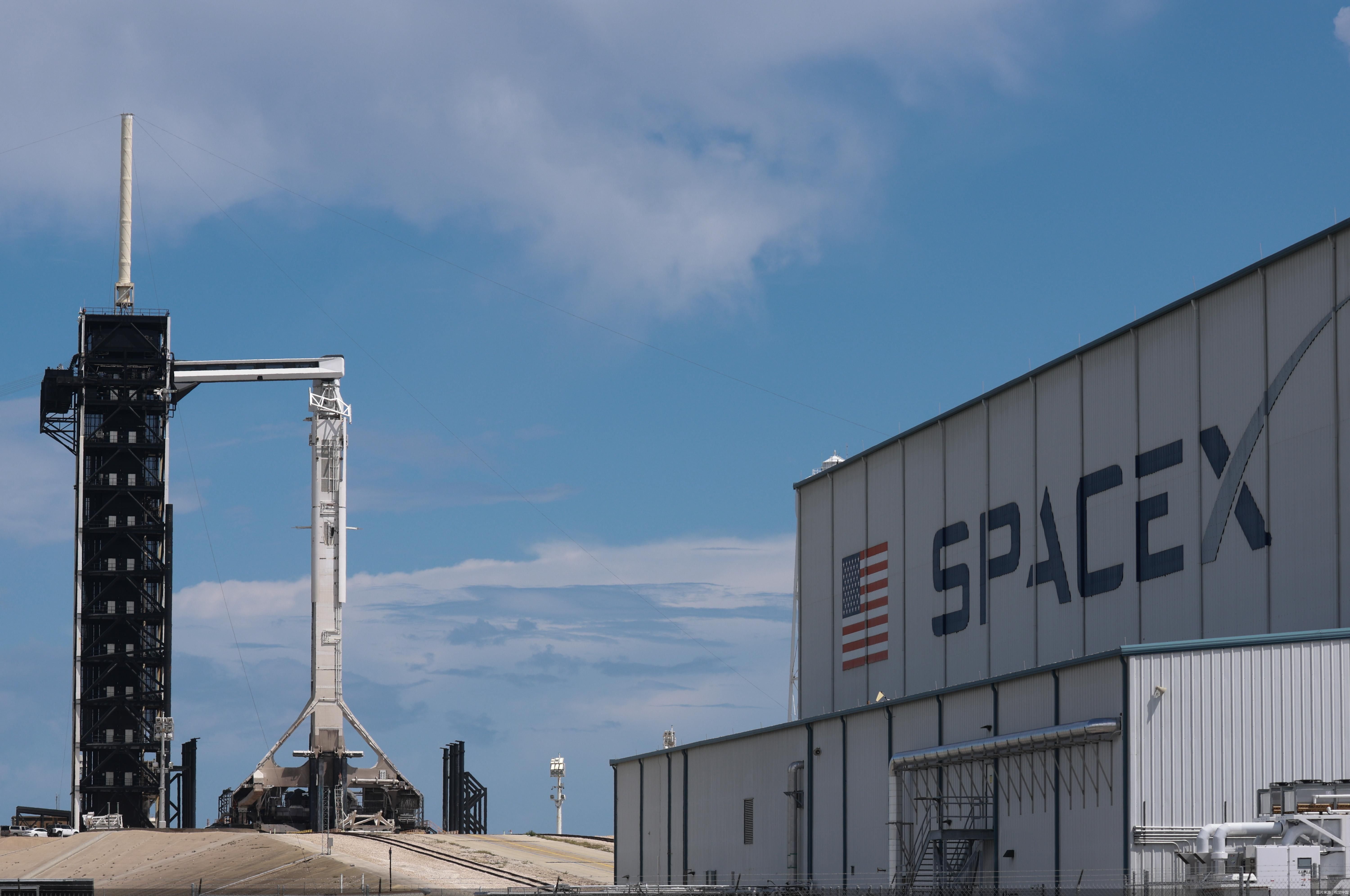
2.9万亿美元需求:SpaceX冲刺IPO,是否会引爆“超级独角兽”上市潮?
Hua Er Jie Jian Wen· 2025-12-10 14:00
Group 1 - SpaceX plans to go public in mid to late 2026, potentially catalyzing a wave of IPOs for "super unicorns" and altering the U.S. capital market landscape [1] - The target valuation for SpaceX is approximately $1.5 trillion, with a fundraising goal exceeding $30 billion, which could make it the largest IPO in history [1] - If SpaceX sells 5% of its shares, it could raise around $40 billion, surpassing the previous record set by Saudi Aramco's $29 billion IPO in 2019 [1] Group 2 - The market's infrastructure and investor acceptance will be tested by such a large IPO, with a potential fundraising of about $75 billion if SpaceX achieves its valuation [2] - A single IPO raising over $50 billion would exceed the total annual IPO financing on U.S. exchanges for 8 out of the last 13 years [2] - Concerns remain regarding the valuation logic of high-value private companies like SpaceX, with skepticism about their ability to justify trillion-dollar valuations in the public market [2] Group 3 - Direct listings are an attractive option for large private companies that do not need to raise funds, allowing investors to sell shares on exchanges without a traditional IPO [3] - The largest direct listing to date was Coinbase Global in 2021, with other examples including Palantir Technologies and Roblox Corp, which occurred during favorable market conditions [3] Group 4 - Despite the current liquidity in the private market, it is not guaranteed to last, and economic cycles can lead to sudden liquidity loss [4] - As companies grow, the sustainability of selling shares to long-term investors may become challenging, making direct listings a preferable option for pricing and liquidity [4] - Large IPOs are particularly attractive, as missing out on a significant IPO could have a substantial impact on an investor's portfolio [4]