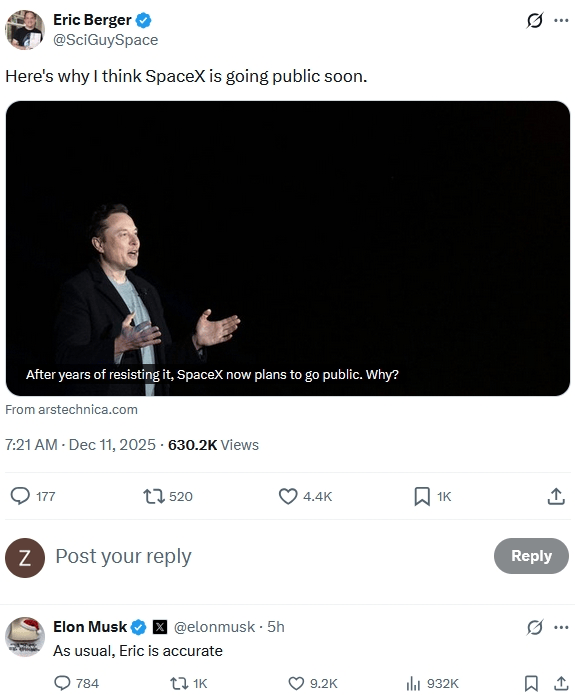
猎鹰1号

Search documents
商业航天“资本赛”鸣枪,首个千亿IPO诞生
Xin Lang Cai Jing· 2026-02-11 09:52
Core Viewpoint - The commercial space industry is entering a new phase characterized by capital competition, driven by the successful IPO of a key player, Electric Power Blue Sky, which has sparked enthusiasm in the market and highlighted the need for efficient technology conversion and commercialization speed among space companies [3][9][10]. Company Overview - Electric Power Blue Sky (688818.SH), known as the "king of aerospace power," made its debut on the Shanghai Stock Exchange's Sci-Tech Innovation Board on February 10, with an initial price of 9.47 yuan per share, surging 750% at the opening and nearly 6 times on the first day, reaching a market capitalization of 114.5 billion yuan [3][4][6]. - The company specializes in aerospace power, special power, and new energy applications, holding over 50% market share in China's aerospace power products [4][5][17]. - Established in 1992, Electric Power Blue Sky has a rich history linked to significant national projects, providing power products for over 700 satellites and spacecraft, including Shenzhou spacecraft and the Tiangong space station [5][17][18]. Market Dynamics - The IPO of Electric Power Blue Sky has ignited a wave of enthusiasm for commercial space IPOs, with several companies like Blue Arrow Aerospace and Star River Power accelerating their listing processes [7][19][20]. - The introduction of the "fifth set of listing standards" on the Sci-Tech Innovation Board in June 2025 has opened doors for unprofitable but technologically advanced companies in the commercial space sector [19][20]. - Currently, at least 10 commercial space companies have initiated IPO processes, with five key players forming the first tier of companies aiming for capital market entry [20][21]. Financial Performance - Electric Power Blue Sky's first-day market capitalization exceeded 100 billion yuan, with a TTM price-to-earnings ratio of 332, reflecting strong market expectations for growth in the commercial space sector [9][21]. - The company's net profits from 2022 to the first half of 2025 were 208 million yuan, 190 million yuan, 337 million yuan, and 65 million yuan, indicating fluctuations in profitability that will require market validation [21][22]. Future Outlook - The market is expected to become more discerning, focusing on the efficiency of technology conversion and the speed of commercialization for future IPO candidates [10][22]. - The success of international players like SpaceX serves as a benchmark for Chinese companies, emphasizing the importance of achieving a sustainable business model through technology breakthroughs and operational efficiency [10][23][24]. - The Chinese commercial space industry is projected to grow rapidly, with a market size exceeding 2.5 trillion yuan by 2025 and an annual growth rate of over 20% [12][24].

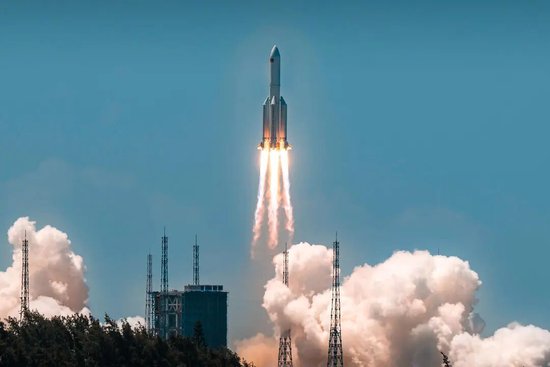
商业航天“资本赛”鸣枪,电科蓝天IPO诞生赛道首家千亿“新贵”
Jing Ji Guan Cha Wang· 2026-02-11 05:14
Core Viewpoint - The IPO of Electric Power Blue Sky marks a significant milestone in the commercial aerospace sector, indicating a shift towards capital competition in a rapidly growing market valued in the trillions [1][5]. Company Overview - Electric Power Blue Sky, known as a leading aerospace power supplier, focuses on aerospace power, special power, and new energy applications, holding over 50% market share in China's aerospace power products [2][3]. - The company has provided power products for over 700 significant national and defense projects, including Shenzhou spacecraft and Tiangong space station [2]. IPO Details - The company was listed on the Shanghai Stock Exchange on February 10, with an initial price of 9.47 yuan per share, experiencing a 750% increase on its first day, reaching a market capitalization of 114.5 billion yuan [1][4]. - China Electronics Technology Group Corporation holds 48.97% of the shares, controlling 84.5% of the voting rights, with significant gains for state-owned shareholders on the first day [4]. Market Dynamics - The successful IPO has sparked enthusiasm in the commercial aerospace sector, with several companies like Blue Arrow Aerospace and Star River Power accelerating their IPO processes [5][6]. - At least 10 commercial aerospace companies have initiated IPO processes, with Blue Arrow Aerospace and Tianbing Technology valued over 200 billion yuan [7]. Future Outlook - The market is expected to become more discerning, focusing on the efficiency of technology transfer and the speed of commercialization for future aerospace companies [9]. - The commercial aerospace industry in China is projected to exceed 2.5 trillion yuan by 2025, with an annual growth rate of over 20% [11].
10.5万亿,史上“真最大”IPO来了
Sou Hu Cai Jing· 2026-02-03 06:52
Core Viewpoint - SpaceX, led by Elon Musk, is preparing for an IPO in June 2026, aiming to raise $50 billion and potentially achieve a valuation of $1.5 trillion, marking a significant milestone in capital markets and possibly the largest financing event in human history [3][23]. Group 1: SpaceX and xAI Acquisition - SpaceX plans to acquire xAI for a total valuation of $1.25 trillion, which would set a record for non-public company mergers [3]. - The acquisition is part of Musk's strategy to create a "complete ecosystem" where AI and space technology are interdependent, addressing the limitations of AI development due to hardware constraints [4][6]. Group 2: AI Industry Challenges - The AI industry faces significant challenges, including increasing computational power requirements and limitations in data center infrastructure, such as rising electricity costs and land scarcity [5]. - Musk identifies space as an ideal solution for these challenges, leveraging SpaceX's capabilities to create a "space data center" that can utilize abundant solar energy and avoid land and cooling issues [6]. Group 3: Role of xAI - xAI is positioned as a core application in the space computing scenario, with its models tested in extreme environments that cannot be replicated on Earth [7]. - The integration of AI into the aerospace industry is seen as a transformative step, with AI acting as the "brain" of the operation, enhancing efficiency and reliability in space missions [7]. Group 4: SpaceX's Historical Context - SpaceX has evolved from near bankruptcy in its early years to becoming one of the most valuable private companies globally, achieving significant milestones in rocket reusability and satellite deployment [9][10]. - The company is now facing new challenges related to the increasing demands of AI models, necessitating the development of space-based solutions for computational needs [10]. Group 5: Comparison with Chinese Commercial Space Industry - The article highlights the differences between the U.S. and Chinese commercial space industries, including disparities in launch capacity, recovery methods, and operational scale [14][15]. - Chinese companies are developing their unique paths, focusing on specific technologies and market needs, while also facing challenges in scaling and technological maturity [18][19]. Group 6: Future Outlook - If SpaceX's IPO is successful, it will not only break financing records but also serve as a public experiment in valuing the vision of a multi-planetary civilization [23]. - The success of SpaceX could provide a significant opportunity for the Chinese commercial space sector, attracting global capital and resources towards companies that demonstrate practical advancements in the industry [23].

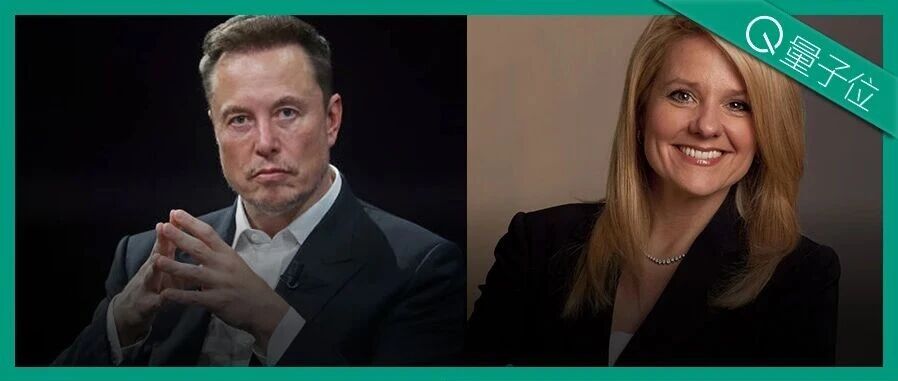
马斯克SpaceX背后的她:现实版钢铁侠小辣椒
量子位· 2026-01-24 05:19
Core Viewpoint - The article discusses the significance of Gwynne Shotwell, the President of SpaceX, as a key figure behind the company's success, especially in light of the upcoming IPO that aims for a valuation of $1.5 trillion and over $30 billion in financing [2][55]. Group 1: Gwynne Shotwell's Role and Characteristics - Gwynne Shotwell is recognized as the "Adult in the Room" at SpaceX, effectively managing the company alongside Elon Musk [6][5]. - She is described as bold, passionate, and direct, which allows her to maintain a productive relationship with Musk despite his challenging personality [10][11]. - Shotwell has a strong technical background, holding degrees in mechanical engineering and applied mathematics, which contributes to her credibility in the aerospace industry [15]. Group 2: Key Contributions to SpaceX - Shotwell played a crucial role in saving SpaceX during its early struggles in 2008, particularly after the failure of the Falcon 1 rocket launches [28][29]. - She successfully negotiated a $1.6 billion contract with NASA for cargo transport to the International Space Station, which was pivotal for SpaceX's survival [32][34]. - Her ability to understand Musk's vision and provide constructive feedback has been essential in aligning the company's goals and strategies [40][41]. Group 3: Leadership and Team Dynamics - Shotwell's leadership style is characterized by her loyalty to Musk while also advocating for the team, ensuring a balance between company demands and employee welfare [49][50]. - She emphasizes teamwork and collective achievement over individual recognition, often attributing SpaceX's success to the efforts of all employees [52]. - The dynamic between Musk and Shotwell is likened to a partnership where Musk's visionary ideas are complemented by Shotwell's operational stability, akin to a ship's sail and rudder [54]. Group 4: Market Impact and Future Outlook - As SpaceX approaches a critical juncture in the capital markets, Shotwell's presence is seen as a stabilizing factor that reassures investors and stakeholders [55].
商业航天“资本赛”开跑:SpaceX瞄准年内上市,中国五箭客冲刺“第一股”
3 6 Ke· 2026-01-23 12:53
Core Viewpoint - The competition for the title of "China's first commercial space stock" has intensified, with multiple companies, including Blue Arrow Aerospace and SpaceX, making significant progress in their IPO processes and technological advancements in the space industry [1][2][3]. Group 1: IPO Progress - Blue Arrow Aerospace is currently leading the IPO race among five Chinese commercial space companies, having entered the "inquiry" stage after a rapid five-month process [2][3]. - The introduction of the "fifth set of listing standards" on the Sci-Tech Innovation Board has opened doors for unprofitable but technologically advanced companies, benefiting Blue Arrow Aerospace [2]. - Other companies like China Aerospace, Tianbing Technology, and Xinghe Power are also in various stages of their IPO processes, with China Aerospace expected to submit its prospectus soon [3]. Group 2: Valuation and Funding - All five companies have achieved valuations exceeding 10 billion yuan, with Blue Arrow Aerospace and Tianbing Technology valued over 20 billion yuan [3]. - The companies have engaged in multiple rounds of financing, with significant activities noted just before their IPOs, indicating strong investor interest [3][4]. - Blue Arrow Aerospace and China Aerospace did not engage in new financing in 2025, with their last rounds occurring in late 2024 [4]. Group 3: Technological Developments - The key competitive edge in the space industry is the development of reusable rockets, with Blue Arrow Aerospace and others focusing on liquid oxygen methane and recovery technology [7][8]. - Blue Arrow Aerospace has developed the "Tianque" series of liquid oxygen methane engines, marking a significant technological milestone in China's space capabilities [7]. - Other companies are also advancing their rocket technologies, with plans for high-frequency launches and various types of reusable rockets [8]. Group 4: Market Dynamics - The commercial space industry is expected to grow significantly, with the global space economy projected to reach approximately 2.9 trillion yuan by 2024 [10]. - The competition is shifting from merely reducing launch costs to focusing on application scenarios, as demonstrated by SpaceX's Starlink [9]. - China's commercial space sector is rapidly evolving, with a projected market size exceeding 2.5 trillion yuan and a compound annual growth rate of over 20% [11]. Group 5: Financial Challenges - Despite the rapid growth and high valuations, companies in the commercial space sector face significant profitability challenges, with Blue Arrow Aerospace reporting substantial losses [12]. - Analysts expect a shift in market valuation from broad narratives to specific financial metrics and order visibility as companies mature [12]. - The industry is anticipated to transition from capital-driven narratives to value realization as technological advancements and cost controls improve [12].
马斯克成史上首个身家超6000亿美元的富豪
Sou Hu Cai Jing· 2025-12-16 06:54
Group 1 - Elon Musk's net worth reached $677 billion, making him the first person in history to surpass $600 billion [2] - SpaceX is reportedly planning to go public in mid to late next year, with a target valuation of approximately $1.5 trillion [2] - SpaceX's internal employee stock sale plan has set the company's valuation at around $800 billion [2] Group 2 - SpaceX's valuation surged from $400 billion in July to $800 billion, surpassing OpenAI to become the most valuable private company [3] - Musk's stake in SpaceX, estimated at 42%, adds approximately $1.68 trillion to his wealth, making it his largest asset [3] - Predictions suggest that SpaceX's enterprise value could reach $2.5 trillion by 2030, with potential annual revenues of $300 billion by 2035 [3] Group 3 - Tesla's stock price has rebounded, with a nearly 5% increase on December 15, contributing to Musk's wealth growth [4] - The optimistic market outlook for Tesla's AI and autonomous driving initiatives is driving the stock price [4] - Analysts estimate Tesla's autonomous driving business could be valued at least $1 trillion, with a target stock price of $600 [4]

马斯克身家超6000亿美元,剑指万亿美元
Shen Zhen Shang Bao· 2025-12-16 04:17
Group 1 - Elon Musk's net worth reached $677 billion, making him the first person in history to surpass $600 billion, previously no one had crossed the $500 billion mark [1] - SpaceX is reportedly planning to go public in mid to late next year, with a target valuation of approximately $1.5 trillion, comparable to Saudi Aramco's record valuation of about $1.7 trillion in 2019 [2] - SpaceX's valuation surged from $400 billion in July to $800 billion, making it the most valuable private company globally, surpassing OpenAI [2] Group 2 - SpaceX, founded in 2002, focuses on three main business areas: rocket launches, Starlink, and the Starship program [3] - Tesla's stock rebound has significantly contributed to Musk's wealth increase, with a nearly 5% rise in Tesla's stock on December 15, and a year-to-date increase of 13% [3] - The market is optimistic about Tesla's developments in artificial intelligence and autonomous driving, with plans to launch fully autonomous driving tests in Austin and expand the autonomous taxi business to multiple states by the end of the month [3]

一度“濒死”的SpaceX,何以剑指史上最大IPO?
财联社· 2025-12-13 08:38
Core Viewpoint - SpaceX is planning to go public in mid-2026, aiming to raise over $30 billion, with a target valuation of $1.5 trillion, potentially making it the largest IPO in history [2][3]. Group 1: Financial Health and IPO Plans - SpaceX has maintained positive cash flow for years and conducts regular stock buybacks to provide liquidity to employees and investors [3]. - The anticipated fundraising will exceed Saudi Aramco's previous record of $29 billion, indicating strong investor confidence [3]. Group 2: Vision and Technological Innovation - Elon Musk's vision of Mars colonization drives SpaceX's operations, requiring significant resources and innovative technologies [6][7]. - The estimated cost to establish a Mars settlement is around $1 trillion, necessitating approximately 10,000 Starship launches [6]. Group 3: Cost Reduction and Competitive Advantage - SpaceX has significantly reduced rocket manufacturing costs through innovations like reusable rocket technology, achieving a marginal launch cost of nearly $15 million [9]. - The company has created a self-reinforcing business model, leveraging its low launch costs to build the largest satellite communication network, Starlink, which generates substantial cash flow for further projects [9].
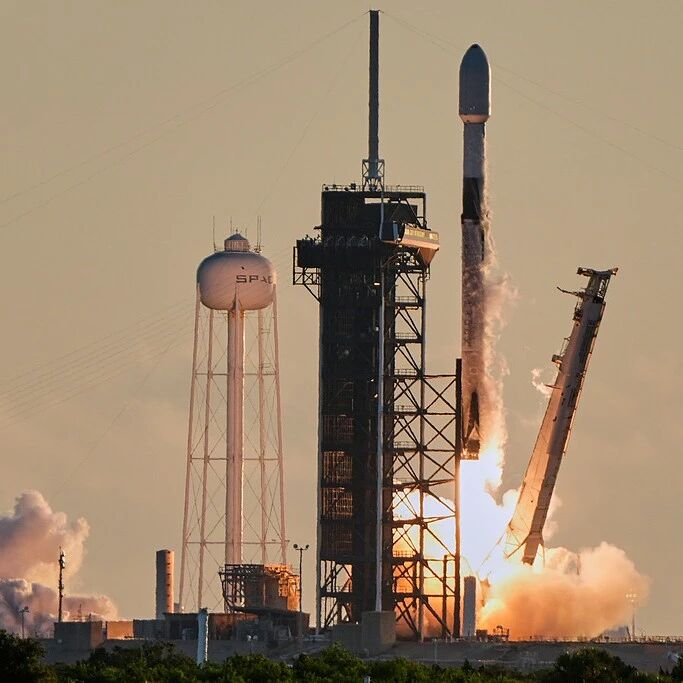
马斯克证实:即将上市
Sou Hu Cai Jing· 2025-12-12 09:27
Group 1 - Elon Musk confirmed that SpaceX is planning to go public, aiming to raise over $25 billion with a valuation exceeding $1 trillion, potentially as early as June next year [1] - SpaceX's IPO could become the largest in history, surpassing Saudi Aramco's record of $29 billion set in 2019, with analysts noting strong demand from retail investors despite the high-risk nature of the business [1] - The company is expected to generate approximately $15 billion in revenue by 2025, increasing to between $22 billion and $24 billion by 2026, primarily driven by its Starlink business [2] Group 2 - SpaceX was founded in June 2002 with the goal of reducing space transportation costs and enabling human colonization of Mars, pioneering the private space era with its Falcon 1 and Falcon 9 rockets and Dragon spacecraft [2] - Musk holds about 42% of SpaceX shares, and if the company successfully lists at a $1.5 trillion valuation, his net worth could more than double, further widening the gap with other billionaires [2]
马斯克证实,就在明年!
Sou Hu Cai Jing· 2025-12-12 05:17
Core Insights - Elon Musk confirmed that SpaceX is planning to go public, aiming to raise several billion dollars through an IPO next year [2][4] - The company is targeting to raise over $25 billion with a valuation exceeding $1 trillion, potentially launching the IPO as early as June next year [4] - If successful, this IPO could become the largest in history, surpassing Saudi Aramco's record of $29 billion set in 2019 [4] Company Overview - SpaceX was founded in June 2002 and is headquartered in Hawthorne, California, with the goal of reducing space transportation costs and enabling human colonization of Mars [5] - The company has developed partially reusable rockets like Falcon 1 and Falcon 9, as well as the Dragon spacecraft, marking the beginning of the private space age [5] Financial Projections - SpaceX's revenue is projected to reach approximately $15 billion by 2025, increasing to between $22 billion and $24 billion by 2026, primarily driven by its Starlink business [5] - The company has maintained positive cash flow for years and conducts regular stock buybacks to provide liquidity for employees and investors [5] Market Sentiment - Analysts suggest that despite the high-risk nature of the business, there will be strong demand from retail investors for SpaceX's stock [4][5] - Musk's significant stake in SpaceX, estimated at around 42%, could substantially increase his net worth if the company achieves a successful IPO at a $1.5 trillion valuation [5]