跨国电诈

Search documents
突发!被美国抄了150亿美元比特币的电诈头子陈志,遣送回国了
凤凰网财经· 2026-01-07 13:40
Core Viewpoint - The arrest of Chen Zhi, founder and chairman of Prince Group, marks a significant development in a global transnational fraud case involving extensive criminal networks, staggering amounts of money, and various associated crimes, including human trafficking and forced labor [1][15]. Group 1: Criminal Activities and Network - Chen Zhi, a dual citizen of the UK and Cambodia, presented himself as a "business elite" while secretly leading a major transnational crime organization, described by the U.S. Department of Justice as the "largest in Asia" [2][4]. - The Prince Group, under Chen's leadership, established seemingly legitimate businesses in over 30 countries to mask fraudulent activities, with a core operation based in Cambodia's scam parks, which included "phone farms" with 1250 phones and 76,000 social media accounts used for scams [4][6]. - The criminal network employed emotional manipulation through social media to defraud victims, promising high returns on cryptocurrency investments, leading to significant financial losses for individuals [6]. Group 2: Human Trafficking and Forced Labor - The network not only engaged in scams but also involved severe human rights abuses, including human trafficking and forced labor, with hundreds of victims lured or trafficked to Cambodia, where they faced violence and exploitation [6]. - Some perpetrators of the scams were also victims of human trafficking, caught in a cycle of abuse and exploitation [6]. Group 3: Financial Crimes and Asset Seizures - In October 2025, the U.S. Department of Justice filed criminal charges against Chen Zhi, including telecommunications fraud and money laundering, and seized approximately 127,271 bitcoins valued at $15 billion, marking the largest asset seizure in the department's history [9][12]. - Multiple countries, including the UK, Singapore, and Hong Kong, have taken coordinated actions to freeze Chen's assets, with the total value of seized properties and financial assets exceeding $1.5 billion [12][14]. - The U.S. Treasury Department has sanctioned 146 individuals and entities associated with the Prince Group, freezing their U.S. assets and prohibiting any transactions with them [12][14]. Group 4: Broader Implications and Future Actions - The case highlights the complexity and brutality of the Southeast Asian fraud industry and underscores the commitment of multiple nations to combat transnational crime [15]. - As the investigation progresses in China following Chen's return, further details of the criminal network may emerge, and efforts to recover assets for victims will be a key focus [15].


泰军切断柬埔寨石油及战略物资通道!柬电诈中心或成泰军目标,开火前几天,电诈头目陈志等大亨资产被泰国没收,专家:并非巧合
Mei Ri Jing Ji Xin Wen· 2025-12-17 10:40
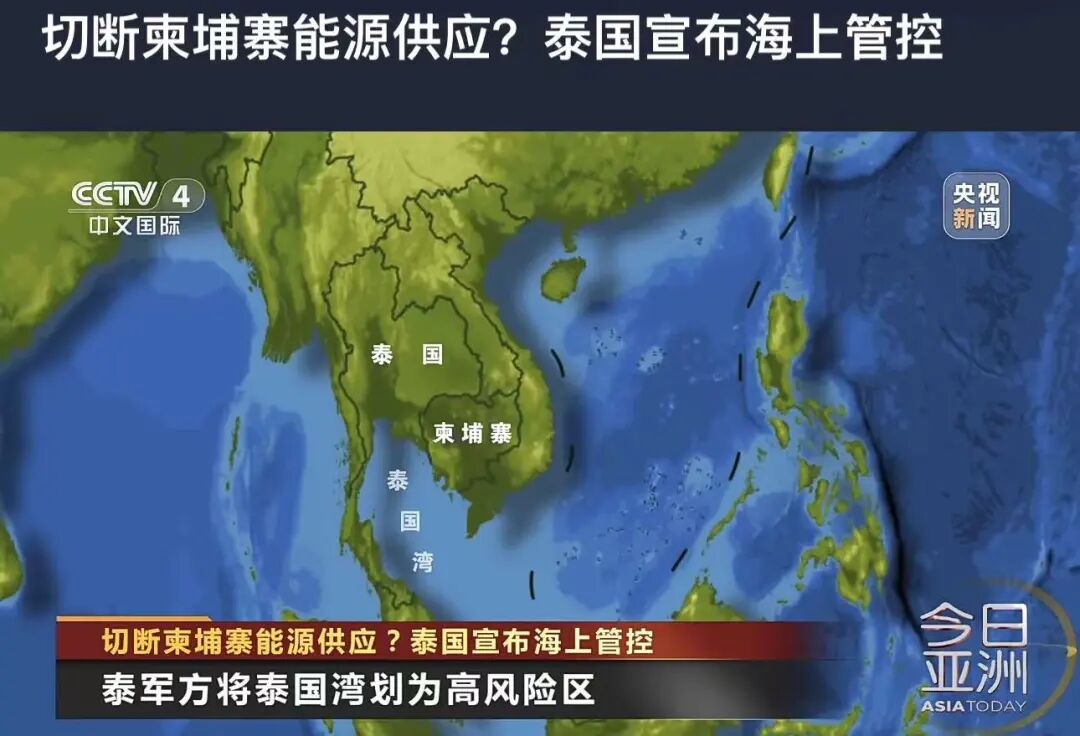
Group 1: Conflict Overview - Renewed clashes between Thailand and Cambodia began on December 7, with both sides accusing each other of initiating hostilities [1] - The Thai Ministry of Defense announced a ban on the transportation of oil and strategic materials to Cambodia, effective from December 17 [1] - Ongoing conflict has resulted in casualties, with reports indicating 2 Thai soldiers killed and significant civilian casualties in Cambodia [5][14] Group 2: Military Actions - Thai military conducted airstrikes and artillery attacks on Cambodian targets, including casinos and hotels allegedly used for cross-border fraud operations [5][10] - The Thai military utilized F-16 fighter jets and drones in these operations, targeting at least six facilities in Cambodia [5][12] - Civilian casualties in Cambodia have reached 17 dead and 77 injured due to ongoing Thai military actions [14][16] Group 3: Economic and Political Context - The conflict is intertwined with issues of transnational crime, particularly cross-border fraud and human trafficking, which have been a persistent problem in Southeast Asia [5][13] - Thailand recently seized assets worth approximately 100 billion Thai Baht (about 22.3 billion RMB) linked to Cambodian crime syndicates, escalating tensions [12] - The Cambodian government has faced international scrutiny, with certain establishments being sanctioned by the U.S. for their involvement in human trafficking and fraud [9][10] Group 4: Diplomatic Stance - Thailand's government has called for Cambodia to declare a ceasefire first, emphasizing the need for a serious and sincere approach to de-escalation [17] - The Thai Foreign Minister is scheduled to attend a special ASEAN meeting on the situation, indicating ongoing diplomatic efforts to address the conflict [18]
被控与电诈集团有关,泰国财政部副部长辞职
Huan Qiu Shi Bao· 2025-10-23 22:52
Core Viewpoint - The resignation of Thailand's Deputy Finance Minister, Wolapak Tanyayong, due to allegations of connections with a telecom fraud group highlights the increasing challenges Thailand faces in combating illegal and large-scale fraud activities from neighboring countries [1][2]. Group 1: Resignation Details - Wolapak Tanyayong officially resigned on October 22, becoming the first cabinet minister to resign since Prime Minister Anutin took office [1]. - He denied any involvement in illegal activities, stating that his resignation was to focus on legal defense and that he needed to dedicate significant time to handle related lawsuits [1]. - Wolapak described the allegations against him as "false and politically motivated," claiming they are part of an organized smear campaign [1]. Group 2: Government Response - On the day before Wolapak's resignation, Prime Minister Anutin requested a written response from him regarding the allegations related to the fraud network [2]. - Anutin expressed regret over Wolapak's resignation but emphasized that no pressure was applied to him, suggesting that Wolapak considered the broader implications of his decision [2]. Group 3: Background Information - Wolapak spent most of his career in the private financial sector, holding senior positions at top global banks like JPMorgan before entering politics last year [2].
缅甸电诈死灰复燃,美国遭遇百亿“杀猪盘”,马斯克或卷入其中
Sou Hu Cai Jing· 2025-10-17 03:25
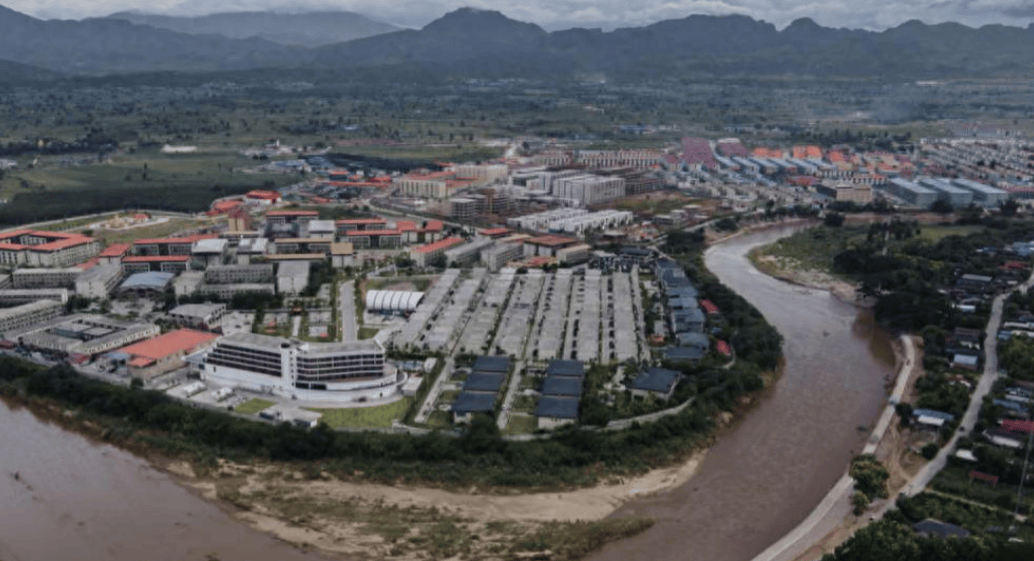
Core Insights - The article highlights the resurgence of telecom fraud activities in northern Myanmar, particularly linked to the notorious "Four Families" and their complex criminal networks, despite previous efforts to curb such activities [1][3] - A surprising connection is drawn between Elon Musk's Starlink and these fraud operations, as reports indicate that Starlink provided satellite services to fraud hubs in Myanmar, especially after the Thai government's crackdown on power and internet supplies [3][5] Group 1: Telecom Fraud in Myanmar - Northern Myanmar has long been a hotspot for telecom fraud, with organized crime syndicates exploiting advanced technology and structured operations to extract money from victims [3] - The collapse of the "Four Families" did not eliminate the problem; instead, new criminal groups quickly emerged to fill the void, leading to a resurgence of fraud activities [3][5] Group 2: Starlink's Involvement - Reports suggest that Starlink's satellite services have been utilized by fraud operations in Myanmar, raising questions about the company's customer vetting processes [5] - The presence of numerous Starlink antennas on fraud operation rooftops indicates that these services are crucial for the continuity of their illegal activities [3][5] Group 3: International Response and Implications - The situation poses significant implications for the U.S. government, as it challenges the country's moral standing, especially given the substantial financial losses (estimated at $10 billion) incurred by American victims of such scams [5] - The article emphasizes the need for international cooperation to combat cross-border fraud, suggesting that countries should enhance information sharing and law enforcement collaboration [6] Group 4: Public Awareness and Prevention - The article stresses the importance of public vigilance and awareness in combating telecom fraud, urging individuals to protect their personal information and discern the authenticity of information [8] - It calls for the establishment of dynamic anti-fraud mechanisms by governments to adapt to the evolving nature of fraud tactics [8]