
跨城养老

Search documents
潮白河畔“新故乡”:京津冀跨城养老新图景
Xin Lang Cai Jing· 2026-01-05 06:23
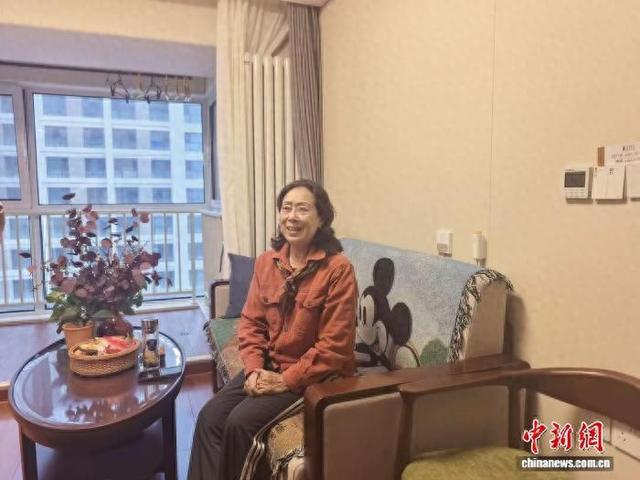
Core Perspective - The article discusses the emerging trend of elderly migration from Beijing and Tianjin to the Hebei region for retirement, highlighting the appeal of better living conditions, healthcare, and social activities in these areas [1][4]. Group 1: Elderly Migration Trends - An increasing number of elderly individuals from Beijing and Tianjin are choosing to retire in the Hebei region, particularly in areas close to the capital [1]. - The "cross-city retirement" trend reflects a shift in elderly preferences towards environments that offer better amenities and healthcare services [6]. Group 2: Healthcare and Support Services - The Yan Da Golden Age Health Care Center in Hebei provides a comprehensive "medical-nursing combined" service, ensuring timely medical assistance for residents [3][4]. - The center has seen over 8,000 residents, with more than 95% coming from Beijing, indicating a strong preference for nearby yet separate retirement options [4]. Group 3: Social and Cultural Activities - The center offers a variety of social activities and educational courses, including 52 classes in arts and crafts, music, and digital skills, which help combat loneliness among the elderly [4]. - The availability of facilities such as libraries, cinemas, and sports areas enhances the quality of life for residents, promoting a vibrant community atmosphere [4]. Group 4: Policy and Infrastructure Support - The implementation of the Beijing-Tianjin-Hebei coordinated development strategy has facilitated easier access to healthcare and improved transportation networks, making cross-city retirement more feasible [6]. - As of September 2025, over 110,000 elderly individuals from Beijing and Tianjin have relocated to Hebei for retirement, showcasing the effectiveness of collaborative pilot programs in the region [6].

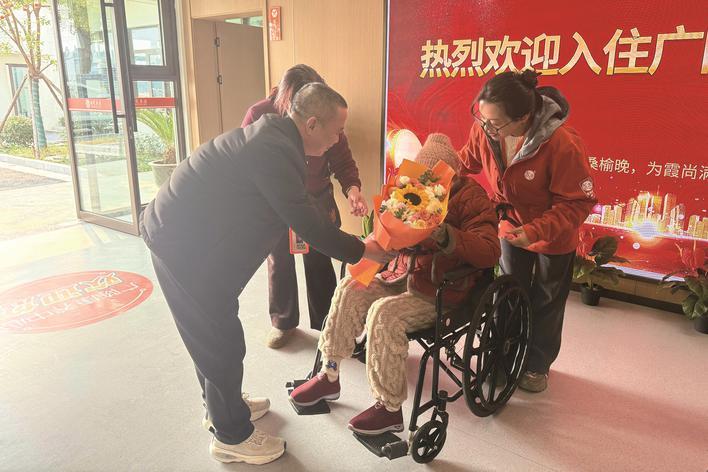
平湖市广陈康养中心迎来首位上海户籍老人
Xin Lang Cai Jing· 2025-12-25 23:32
Core Insights - The article highlights the successful establishment of the Guangchen Nursing Center, which has attracted its first Shanghai resident, showcasing the center's quality and appeal beyond its local area [3][4]. Group 1: Facility and Services - The Guangchen Nursing Center was inaugurated with an investment of 32 million yuan and spans 3,700 square meters, focusing on high-quality care [4]. - The center is equipped with 80 beds and various functional areas, including a nursing station, rehabilitation training room, and recreational activity room, ensuring comprehensive facilities for residents [4]. - Safety features include age-friendly handrails, easily accessible emergency call buttons, and 24-hour hot water availability, enhancing the comfort and security of elderly residents [4]. Group 2: Activities and Community Engagement - The center offers a variety of daily activities aimed at enriching the residents' spiritual lives, such as morning exercises, singing, and weekly themed events, fostering a lively community atmosphere [4]. - Many residents have become active participants in these activities, contributing to a vibrant and joyful environment within the center [4]. Group 3: Broader Impact and Future Plans - The arrival of the first Shanghai resident signifies a recognition of Guangchen's evolving elderly care services, reflecting the town's commitment to improving its elderly care system [5]. - Guangchen Town has developed a comprehensive elderly care network, including 13 home care service centers and 3 elderly stations, aiming to provide quality services to all elderly residents [5]. - The town plans to continue refining its elderly care services based on community needs, aspiring to set a new standard for elderly care in the Yangtze River Delta region [5].
跨城养老: 大城市老人的新选择
Jin Rong Shi Bao· 2025-11-05 01:29
Core Insights - The trend of "silver migration" towards lower-cost, better-environment third and fourth-tier cities for elderly care is driven by both policy support and market dynamics [1][4][5] Group 1: Cost and Convenience - The average monthly cost for elderly care in Beijing is around 5,500 yuan, with costs exceeding 7,000 yuan for severely disabled individuals, making it a significant burden for seniors with a monthly disposable income of about 5,000 yuan [3] - In contrast, the monthly cost for a care center in Yanjiao, Hebei, is approximately 7,000 yuan, which includes a service fee of 2,600 yuan per person, offering better conditions compared to similar-priced facilities in Beijing [2][3] Group 2: Policy Collaboration - The integration of medical and elderly care services, along with regional collaboration, is becoming a key strategy for cities to address elderly care challenges [4] - The implementation of direct settlement policies for cross-province medical services since April 1, 2023, allows insured individuals to enjoy medical reimbursement without additional procedures, facilitating easier access to healthcare for elderly migrants [4] Group 3: Supply-Side Support - The demand for cross-city elderly care is supported by public policies, urban development, and social services, with initiatives encouraging seasonal migration for elderly care [5] - In regions like the Yangtze River Delta and the Guangdong-Hong Kong-Macau Greater Bay Area, many elderly individuals are opting for cross-city or out-of-province care [5] Group 4: Insurance Industry Involvement - The insurance industry is actively participating in enhancing social elderly care capabilities through innovative "insurance + elderly care" models, which provide integrated services and improve local care standards [6] - Major insurance companies are adopting models that allow clients to gain residency in care facilities upon purchasing insurance products, thus meeting the high-quality care demands of the aging population [6]
滨城区市立医院医养结合中心:“跨城养老”康养服务质量持续提升
Qi Lu Wan Bao Wang· 2025-06-17 10:07
Core Viewpoint - The article highlights the successful case of a senior citizen's transfer to the Bincheng District Municipal Hospital's integrated medical and nursing center, emphasizing the center's commitment to high-quality medical support and care services since its operation began in January 2024 [1][2][3] Group 1: Patient Transfer and Care - A family sought assistance for their elderly mother suffering from a right-sided cerebral infarction, who required specialized care due to her unstable condition [1] - The director of the center, Yang Zhandong, prioritized the patient's health and safety, advising the family to wait until the patient was more stable before transferring her [1] - After a detailed conversation, the family felt confident in the center's capabilities and decided against an on-site visit, trusting the center to handle the transfer safely [2] Group 2: Quality of Services - The Bincheng District Municipal Hospital's integrated medical and nursing center has received widespread recognition for its high-quality medical support and excellent nursing services, creating a comprehensive elderly care environment [2] - Since its opening, the center has seen an increase in residents from various regions, indicating a growing reputation and trust among families seeking care for their elderly relatives [3] - The center is actively exploring regional integration services to cater to the diverse and personalized needs of seniors seeking cross-city elderly care [3]