区域联动

Search documents
激活场景动力
Jing Ji Ri Bao· 2026-02-26 21:39
Core Insights - The concept of "scenes" has gained prominence in the economic sector, reflecting a shift towards integrating various applications and experiences in industry development [1][2] - The "14th Five-Year Plan" emphasizes the importance of nurturing emerging industries, accelerating the application of major technological achievements, and boosting consumption through scene construction [1] - The Beijing region is being transformed into distinct segments that correspond to different scenes, which is expected to enhance industrial development and regional vitality [1] Group 1 - The implementation of the State Council's opinions on accelerating scene cultivation marks a strategic elevation of scene innovation to a national level [1] - The integration of various business models is driving a shift from product-centric consumption to a balanced focus on both goods and services, enhancing consumer experience [1] - The transformation of the Beijing western region is seen as a pathway to upgrade and revitalize the area through innovative scene applications [1] Group 2 - The need for regional collaboration is highlighted, as different areas like Shougang Park and Yuyuantan Park are managed by separate entities, necessitating resource integration across regions [2] - The shift in development logic from focusing on capacity and speed to prioritizing scenes and experiences reflects a deeper transformation in economic strategies [2] - Cities are becoming "innovation testing grounds," requiring governments to act as facilitators and ecosystem builders to meet new urban development and governance challenges [2]
95亿人次里的“新”年味儿(每周经济评论)
Ren Min Ri Bao· 2026-02-24 22:18
Core Insights - The 2026 Spring Festival travel period is expected to see a record high of 9.5 billion trips, reflecting a strong economic pulse and the vast potential of China's domestic market [1][2][3] Group 1: New Trends in Travel - Reverse Spring Festival travel is emerging as a new trend, with many young people bringing their parents to big cities for the holiday. The booking volume of flights for travelers aged 60 and above has increased by over 35% year-on-year, with a preference for first-tier and new first-tier cities [1] - The focus has shifted from material satisfaction to spiritual resonance, with a growing interest in cultural and tourism experiences. For instance, the popularity of the "Only Henan·Drama Fantasy City" event during the Spring Festival has surged by 2.5 times year-on-year [1] Group 2: New Consumption Trends - The consumption landscape is evolving, with a stronger presence of domestic trends. Events like the Shanghai Yuyuan Lantern Festival are incorporating trendy IPs, and non-heritage market activities in Shaanxi and Henan are attracting visitors [2] - The demand for diverse travel experiences is rising, with significant growth in duty-free shopping during the Spring Festival. The Haikou Customs reported over 1.1 billion yuan in duty-free shopping and more than 190,000 shoppers, representing increases of 6.3% and 26% respectively [2] Group 3: Enhanced Service Quality - The Spring Festival travel period poses challenges for transportation capacity and service quality. In response, various measures have been implemented to improve convenience, such as a new phone booking service for elderly travelers and expanded pet transport services [3] - The introduction of "green trains" and "slow trains" aims to meet the travel needs of people in remote areas, enhancing accessibility and service inclusivity [3]
数智时代如何促进高水平区域联动
Xin Lang Cai Jing· 2026-02-23 21:43
Core Viewpoint - Regional coordinated development is an inherent requirement of Chinese-style modernization, emphasizing the importance of promoting regional linkage development through advanced technologies like artificial intelligence and digital innovation [1]. Group 1: Theoretical Foundations and Requirements - The dialectical relationship between "first nature" (natural resources) and "second nature" (human-modified economic environments) provides a theoretical basis for regional linkage development [2]. - Objective constraints from the first nature, such as geography and climate, and issues like administrative fragmentation in the second nature hinder optimal resource allocation and high-level regional linkage [2]. Group 2: Challenges and Opportunities in the Digital Age - The integration of new information technologies into regional governance and economic operations breaks geographical constraints, enabling collaboration that transcends first nature limitations [3]. - Traditional challenges such as resource misallocation and ecological governance remain prominent, while issues like the digital divide and unclear data ownership increasingly complicate regional linkage efforts [3]. Group 3: Logic of Promoting High-Level Regional Linkage - In the digital age, promoting high-level regional linkage requires leveraging digital technologies to optimize resource allocation and enhance overall regional collaboration [4]. - The arrival of digital technologies offers opportunities to overcome geographical and institutional barriers, allowing for a more efficient allocation of resources and production capabilities [4]. Group 4: Importance of Digital Collaboration - High-level regional linkage signifies a systemic leap from unbalanced to coordinated development, with past strategies focusing on reducing regional disparities [5][6]. - The transition from physical connectivity to intelligent integration is marked by initiatives like the "East Data West Calculation" project, which enhances domestic data and industrial cycles [6]. Group 5: Strategies for Enhancing Regional Linkage - Strengthening digital infrastructure and ensuring cross-regional digital connectivity is essential for promoting regional linkage development [7]. - Key strategies include building a unified data-sharing platform, enhancing public service integration, and optimizing industrial collaboration within urban clusters [8][9].
冰雪乐园里的欢歌
Xin Lang Cai Jing· 2026-02-21 22:20
Core Viewpoint - The article highlights the successful integration of winter tourism and agriculture in Heilongjiang, showcasing how the ice and snow economy is transforming local experiences and generating economic benefits for the region [12][17]. Group 1: Ice and Snow Tourism - The Yanhe Scenic Area's ice and snow park has become a popular destination, attracting visitors with various activities, including ice slides and snowball fights, contributing to a 10% increase in revenue compared to the previous year, with over 60% of visitors coming from outside the province [14][17]. - The park's design caters to different age groups, offering family-friendly activities and thrilling experiences for teenagers, enhancing the overall appeal of winter tourism [14]. Group 2: Agricultural Integration - The A'cheng Farm's greenhouse strawberry picking has become a unique winter attraction, utilizing geothermal technology for off-season cultivation, which has generated over one million yuan in additional income and created more than 50 seasonal jobs [15][17]. - The collaboration between A'cheng Farm and Yanhe Scenic Area has led to the introduction of "ice and snow + agriculture" experience packages, enhancing visitor engagement and boosting local economic activity [15][17]. Group 3: Cultural and Historical Engagement - The Jin Dynasty Museum, located near the A'cheng Farm, has seen a 30% increase in winter visitors due to its connection with nearby ice and snow attractions, providing a cultural extension to the tourism experience [16]. - The museum showcases artifacts from the Jin Dynasty, enriching the historical context of the region and enhancing the overall visitor experience [16]. Group 4: Economic Impact and Employment - The development of ice and snow tourism has led to the emergence of numerous guesthouses and rural homestays, creating over 100 jobs and transforming winter into a peak season for local hospitality [16][17]. - Local farmers are actively participating in the ice and snow industry, engaging in activities such as ice sculpture creation, food sales, and equipment rentals, thus diversifying their income sources [16][17].

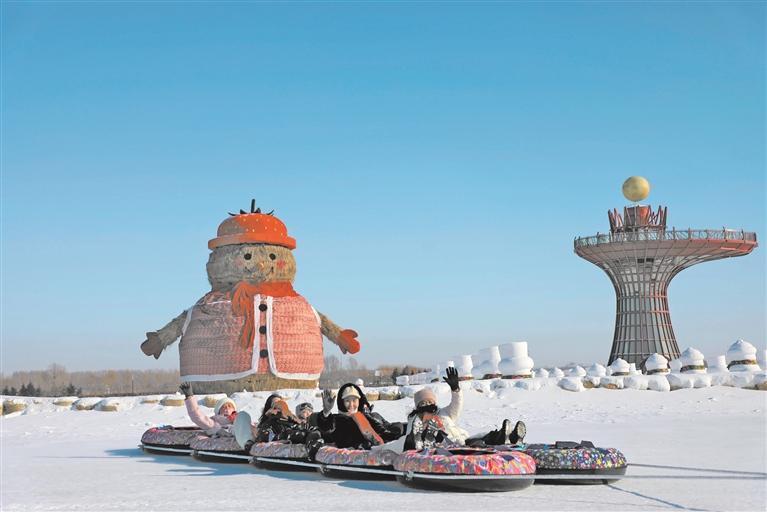
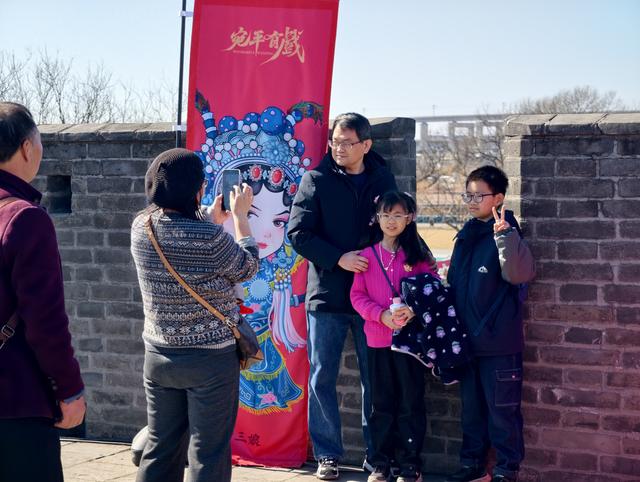
宛平城庙会4天吸引30万游客打卡,每天两成游客从津冀“赴京赶戏”
Xin Lang Cai Jing· 2026-02-21 08:59
Core Insights - The Wanjing City Spring Festival Temple Fair has successfully transformed traditional perceptions of temple fairs through an innovative blend of "drama + national trend + immersive interaction" [1][5][7] Visitor Engagement - By the fourth day of the Lunar New Year, the total number of visitors exceeded 300,000, with an average stay of over 3 hours, indicating a strong draw for tourists from surrounding cities [3][5] - The immersive game "Xiyou Fusheng Town" has become a major attraction, allowing visitors to earn "Wanjing Coins" through interactive tasks, significantly enhancing visitor engagement and prolonging their stay [7][9] Cultural and Artistic Integration - The fair combines high-quality traditional performances from major Chinese opera troupes with interactive elements, creating a rich cultural experience that appeals to both older and younger audiences [10][11] - The integration of professional performances with accessible street-level entertainment has successfully attracted diverse demographics, bridging the gap between traditional arts and modern engagement [10][11] Night Economy and Social Media Impact - The night-time transformation of Wanjing City, featuring light shows and cultural parades, has become a significant draw, with visitors actively sharing their experiences on social media platforms, enhancing the fair's visibility [11][12] - The design encourages visitors to capture and share moments, creating a viral marketing effect that promotes the event organically [12] Regional Collaboration and Tourism Strategy - The fair has effectively linked surrounding attractions, creating a comprehensive tourism experience that encourages longer stays and increased spending in the area [14][16] - The collaboration between local cultural and tourism authorities has resulted in themed tourism routes that enhance the overall visitor experience and stimulate local economic growth [14][16] Emotional Connection and Brand Image - Personal stories, such as a family's journey to fulfill a dream of visiting Beijing, highlight the emotional resonance of the event, elevating it beyond a mere commercial venture to a meaningful cultural experience [16][17] - The branding of "Wanjing has drama" encapsulates both the entertainment value and the hope it brings to visitors, reinforcing the fair's identity as a community-centered event [17]
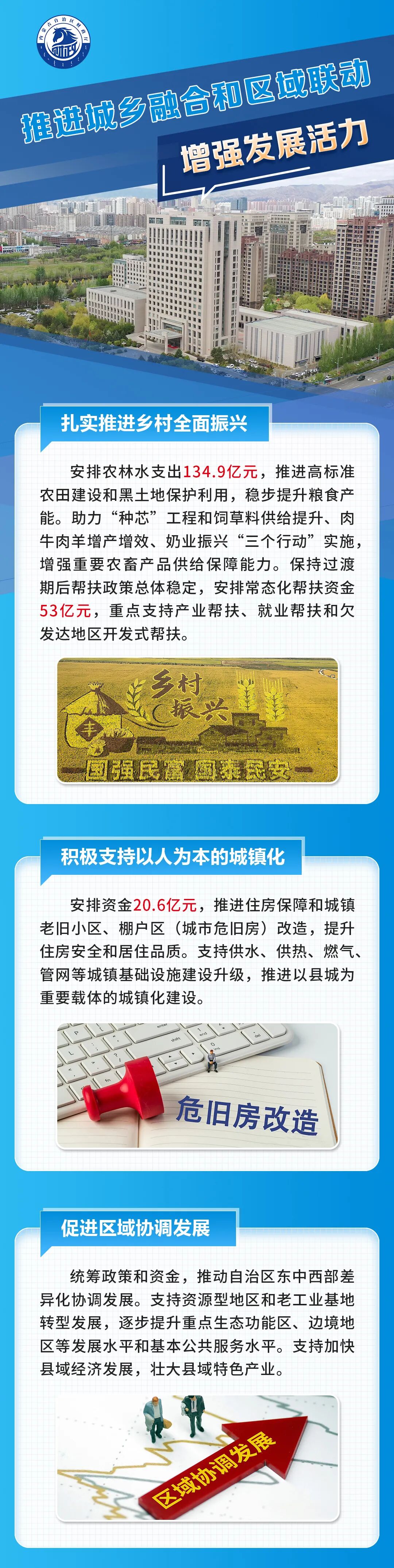
2026年预算草案解读三:重点支出方向④ | 推进城乡融合和区域联动
Xin Lang Cai Jing· 2026-02-09 10:09
Group 1 - The government is enhancing the supply guarantee capacity of important agricultural and livestock products, with a focus on stabilizing support policies post-transition period and allocating regular support funds of 5.3 billion yuan, emphasizing industrial support, employment assistance, and development aid for underdeveloped regions [11][3]. - A total of 13.49 billion yuan is allocated for agricultural, forestry, and water expenditures to promote high-standard farmland construction and black soil protection, aiming to steadily increase grain production [11]. - The government is implementing three key actions: the "Seed Chip" project, improving forage supply, and increasing production efficiency of beef and lamb, as well as revitalizing the dairy industry [11]. Group 2 - The government is actively supporting people-centered urbanization by allocating 2.06 billion yuan to advance housing security and the renovation of old urban communities and shantytowns, enhancing housing safety and living quality [5][13]. - There is a focus on upgrading urban infrastructure, including water supply, heating, gas, and pipeline systems, promoting urbanization centered around county towns [5][13].
住苏州省政协委员陆续返苏
Su Zhou Ri Bao· 2026-02-06 00:46
Group 1 - The Jiangsu Provincial Political Consultative Conference concluded successfully, with 48 members from Suzhou returning with consensus and tasks from the meeting [1] - Suzhou committee members submitted 68 proposals, 5 pieces of public opinion, and 11 speeches, focusing on economic development, livelihood improvement, and digital transformation [1] - The emphasis on serving the people's needs was highlighted by committee member Ge Xin, who plans to conduct research on key issues affecting the public [1] Group 2 - Committee member Gu Yabin focused on reforms in the medical insurance sector, expressing confidence in the provincial government's plans to enhance medical insurance management and promote "Hui Min Bao" [2] - Suzhou aims to improve its multi-tiered medical insurance system and promote the "Suzhou Medical Insurance AI Smart Service" to enhance convenience for insured residents [2] - New committee member Yang Zhe noted that economic development and livelihood improvement were key discussion points, aligning with the provincial "14th Five-Year Plan" for future work [2] Group 3 - Suzhou committee members view the conference as a unifying and motivating event, committing to focus on provincial government priorities and public concerns [3] - They plan to engage in thorough research and active consultation to address contemporary issues, emphasizing regional collaboration, technological innovation, ecological protection, and social governance [3]
新视野 | 坚持协调发展 促进城乡融合和区域联动
Zhong Yang Ji Wei Guo Jia Jian Wei Wang Zhan· 2026-02-03 00:10
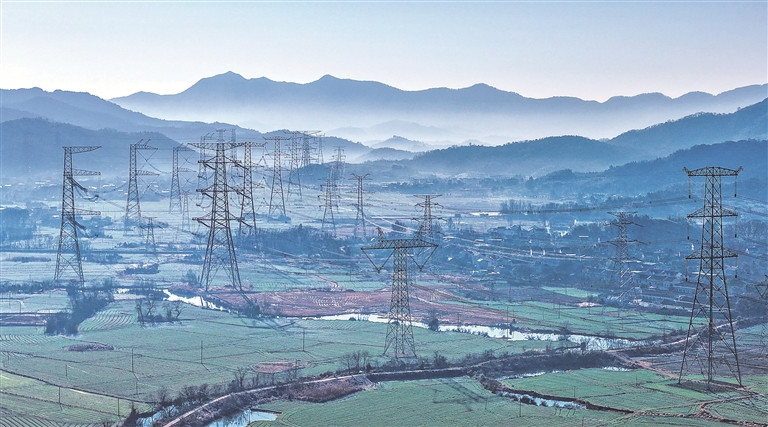
Group 1 - The "West-East Power Transmission" ultra-high voltage project plays a crucial role in efficiently delivering clean energy from the central and western regions to the eastern regions, supporting energy conservation and green development in the Yangtze River Delta [2] - The central economic work conference emphasizes the importance of coordinated development, promoting urban-rural integration and regional collaboration as a direction for high-quality economic growth [2][3] - Coordinated development is a key component of the new development concept, aiming for a dynamic balance that enhances both qualitative and quantitative economic growth while addressing regional disparities [3][4] Group 2 - Significant achievements in coordinated development have been made during the 14th Five-Year Plan period, with urban-rural integration showing strong vitality and potential, as county economies reached 54 trillion yuan, accounting for nearly 40% of the national GDP [5] - The construction of two green development belts has shown notable results, with improvements in ecological quality in the Yangtze River and Yellow River basins, and the proportion of good water quality in the Yangtze River increasing from 67% to 96.5% [5] - Cross-regional cooperation has become tighter, with major economic regions like Beijing-Tianjin-Hebei, Yangtze River Delta, and Guangdong-Hong Kong-Macau Greater Bay Area forming world-class industrial clusters in sectors like integrated circuits and biotechnology [6] Group 3 - The 15th Five-Year Plan period will focus on deeper implementation of regional coordinated development strategies, emphasizing urbanization and rural revitalization centered around counties [8] - Enhancing urban-rural integration involves improving county infrastructure and public services, fostering local industries based on regional characteristics, and promoting a unified land market [8] - Strengthening regional collaboration includes optimizing spatial development, enhancing transportation and logistics connectivity, and establishing mechanisms for ecological governance and public service sharing across regions [9]
韶关启动文旅推介活动
Nan Fang Ri Bao Wang Luo Ban· 2026-01-28 08:30
Core Insights - The "Guanghuo Goes Global: Danxia Invites You" tourism promotion event was launched at the World Natural Heritage site Danxia Mountain, gathering over 400 representatives from more than 100 travel agencies and cultural tourism enterprises to showcase the charm of Shaoguan's tourism [1] Group 1: Event Highlights - The event introduced a new theme for Danxia Mountain in 2026 titled "Explore Danxia, Free in the Jianghu," which includes a combination of boat tours on the Jinjiang River and Xianglong Lake to enhance water experiences for visitors [1] - New immersive experiences will be added to the scenic area, including tea houses, interactive NPCs, and guided tours by "heroes," along with innovative products like treasure hunts and night banquets [1] Group 2: Regional Collaboration - The event emphasized a regional collaboration concept of "Day Tour in Mangshan, Night Appreciation of Danxia," integrating resources from Danxia Mountain and four other major scenic spots, with the "Xiangyue Alliance" joint products already selling well in the market [1] - A travel agency representative from Nanjing highlighted plans to incorporate Danxia Mountain into a comprehensive Guangdong tourism route, developing in-depth products through a "tourism + health" model [1] Group 3: Future Initiatives - Shaoguan is focusing on empowering cultural tourism through initiatives like "Event Tickets + Guanghuo Coupons," while also planning a series of cultural tourism activities for the Spring Festival [1] - Upcoming events include a New Year Goods Festival and a Douyin E-commerce Festival, aimed at promoting Shaoguan's cultural tourism and specialty products to reach broader markets [1]
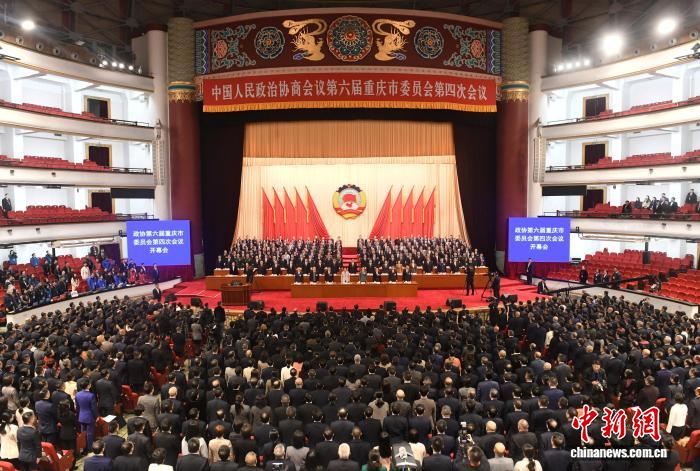
重庆市政协委员建议成渝共建“数智中试走廊”,为新质生产力转化“提速”
Zhong Guo Xin Wen Wang· 2026-01-28 06:31
Core Viewpoint - The proposal to establish a "Digital Intelligent Pilot Corridor" in the Chengdu-Chongqing region aims to accelerate the transformation of new productive forces by integrating digital and physical resources, addressing the challenges in the technology transfer process from laboratory to market [1][2]. Group 1: Background and Importance - "Pilot testing" is defined as the process of scaling up experimental research results before large-scale industrial production, serving as a crucial bridge for technology from the lab to the market [2]. - The Chengdu-Chongqing region has made progress in establishing over 70 pilot testing platforms and concept verification centers, but still faces challenges in platform capability, regional collaboration, and resource support [2]. Group 2: Recommendations for Development - The first recommendation is to implement a "Digital Empowerment" initiative by creating a public virtual base for pilot testing, which includes a city-level industrial simulation cloud platform to support SMEs in reducing physical validation losses through digital twin technology [3]. - The second recommendation emphasizes the need for a "Co-construction and Sharing" mechanism, which involves mapping resources and utilizing big data to match supply and demand for pilot testing equipment between the two regions [3]. - The third recommendation focuses on building a "Funding + Talent" support system, proposing the establishment of a "Chengdu-Chongqing Pilot Testing Special Fund" and promoting a "Chief Pilot Officer" talent system to enhance the workforce in engineering technology applications [5].