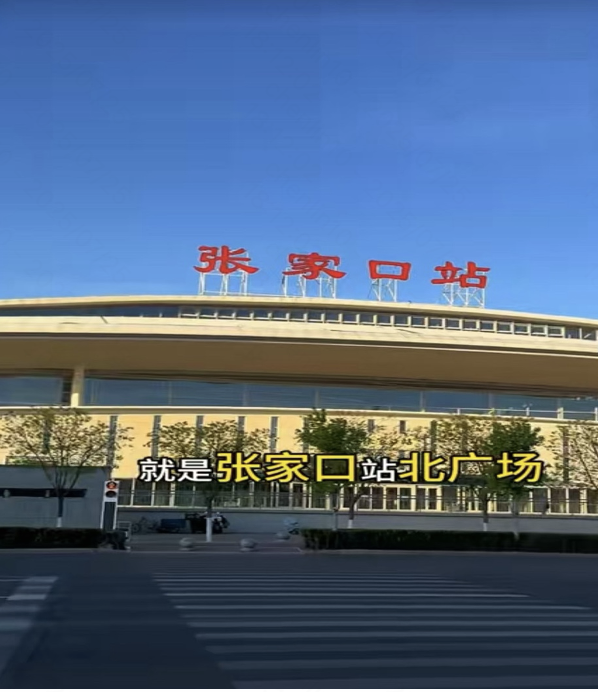
跨城通勤

Search documents
20万打工人一年花52天在路上,全国超400万人跨城通勤
Xin Lang Cai Jing· 2025-12-30 00:30
Core Insights - The report indicates that the commuting radius in major Chinese cities has increased by 1-3 kilometers over the past five years, with Beijing, Shanghai, and Chongqing having the largest commuting radius at 42 kilometers each [1] - The phenomenon of "extreme commuting" is particularly pronounced in Beijing, where approximately 30% of commuters spend over 60 minutes commuting, the highest in the country [1] - The report highlights the trend of population and economic concentration around urban clusters and metropolitan areas, leading to a significant number of commuters living far from their workplaces, with about 4% of commuters in 22 major cities commuting across city borders [1] Commuting Patterns - The number of commuters who need to travel across cities exceeds 4 million, with 10% of these commuters averaging a one-way distance of over 50 kilometers and taking about 153 minutes [1] - Among these long-distance commuters, approximately 200,000 are from major cities like Beijing, Shanghai, Guangzhou, and Shenzhen, spending an estimated 52 days and traveling 30,000 kilometers annually on their commutes [1] Future Projections - In 2024, the proportion of extreme commuters in Beijing is expected to increase by 1 percentage point to 29%, while the average one-way commuting time is projected to rise by 1 minute to 47 minutes after three years of improvement or stability [1]
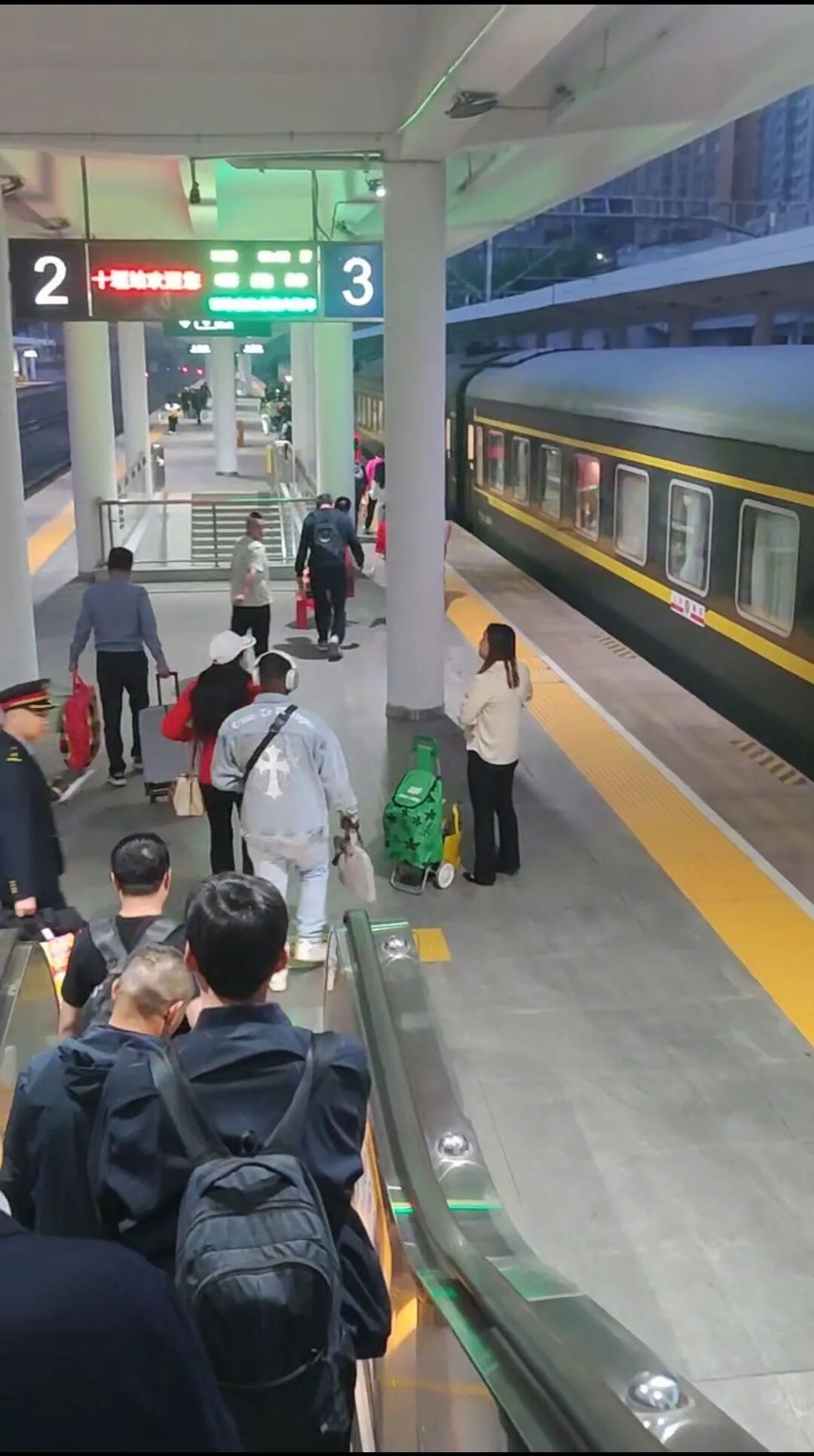
“多花一小时省30块”,最省钱的打工人坐绿皮火车通勤
3 6 Ke· 2025-12-18 02:52
Core Viewpoint - The article discusses the enduring relevance of traditional green trains (slow trains) in China, highlighting their affordability and accessibility for low-income travelers despite the rise of high-speed trains [1][2][36]. Summary by Sections Train Characteristics and Usage - Green trains, characterized by their olive green color, operate at an average speed of 120 to 160 kilometers per hour, significantly slower than high-speed trains [1]. - The ticket prices for green trains are often half or lower than those of high-speed trains, making them a preferred choice for workers, students, and low-income individuals [1][36]. Passenger Experiences - Passengers like Wu Yue and Hua Hua choose green trains for their cost-effectiveness, with Wu Yue noting that a ticket costs only 15 yuan compared to 40-50 yuan for high-speed trains [9][10]. - The article describes the social dynamics on green trains, where passengers often engage in conversations, sharing experiences and information, creating a sense of community among migrant workers [16][28]. Economic Context - The article emphasizes that green trains serve as a vital transportation option for those who cannot afford high-speed travel, filling the gap in the transportation network for low-income individuals [36]. - The narrative includes stories of workers like Zhang Guqing and Li Caiping, who choose green trains for their affordability, despite the longer travel times, reflecting the economic realities faced by many [22][24]. Future Outlook - With the transition to electronic tickets and the discontinuation of paper tickets by October 2025, the article suggests that green trains will continue to play a crucial role in the transportation landscape for those with limited financial means [1].

留不下的北京,回不去的家乡:“跨城通勤”候鸟的生存算法
Hu Xiu· 2025-07-31 10:44
Group 1 - The core point of the article highlights the challenges faced by the "Beijing drifters," a term used for the large population of migrants in Beijing, who struggle with high living costs, job competition, and family responsibilities while commuting between cities [1][12][36] - As of the end of 2024, Beijing's resident migrant population is 8.15 million, accounting for 37.3% of the total population, indicating a significant demographic of individuals seeking opportunities in the city [1] - The article illustrates the daily lives of individuals like Li Wei and Zhang Jing, who engage in cross-city commuting, balancing work and family life while facing the pressures of long travel times and financial burdens [12][36][40] Group 2 - Li Wei, a programmer, spends approximately 6 hours commuting daily, covering a distance of 400 kilometers, and incurs a monthly commuting cost of around 5,000 yuan [10][12][48] - Zhang Jing, a procurement officer, has a similar routine, commuting between Beijing and Tianjin, and spends about 2,300 yuan monthly on transportation, while also managing her time efficiently to maintain her work-life balance [23][40] - The article notes that around 330,000 commuters live in the surrounding areas of Beijing, with a significant portion of them facing similar challenges in their daily commutes, which typically last between 1.5 to 2 hours each way [24][36]