跨境腐败治理

Search documents
大数据+人工智能,大幅压缩腐败生存空间
Xin Lang Cai Jing· 2026-01-15 10:09
Group 1 - The article discusses the increasing efforts of China's disciplinary inspection and supervision agencies in combating cross-border corruption, utilizing big data and technology to uncover and investigate numerous cases [2][3] - A notable case involves Li Yong, former Deputy Secretary and General Manager of China National Offshore Oil Corporation (CNOOC), who is under investigation for serious corruption, with over 83% of the illicit funds originating from abroad [2][3] - The investigation into Li Yong's activities revealed a complex web of offshore accounts and companies used to conceal bribes, demonstrating the effectiveness of data analysis in tracing illicit financial flows [5][4] Group 2 - The article highlights the case of Yao Qian, former Director of the Technology Supervision Department of the China Securities Regulatory Commission, who was investigated for corruption involving virtual currencies [6][7] - Yao Qian's case illustrates the use of new forms of corruption, including the acceptance of virtual currency as bribes, with significant amounts traced back to his control through "shell accounts" [8][9] - The investigation into Yao Qian's financial activities led to the discovery of substantial funds linked to a real estate purchase, further emphasizing the role of technology in uncovering hidden corruption [8][9] Group 3 - The article also covers the case of Feng Jiang, a former official in the asset management sector, who was implicated in corrupt practices revealed through a smart regulatory system that analyzed bidding data [10][11] - The smart regulatory system identified irregularities in project bids, leading to the discovery of collusion and bribery, showcasing the power of big data and AI in enhancing oversight [11][12] - Feng Jiang's case resulted in a conviction for bribery, demonstrating the effectiveness of technology in identifying and prosecuting corrupt activities within public projects [10][11]

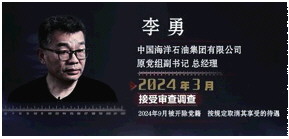
中纪委监委详解境外取证追赃思路:境外已不再是“避罪天堂”
Nan Fang Du Shi Bao· 2026-01-14 16:53
Core Viewpoint - The documentary highlights the increasing effectiveness of anti-corruption efforts in China, particularly in addressing cross-border corruption, showcasing a specific case involving Li Yong, a former executive of China National Offshore Oil Corporation (CNOOC) [1][10]. Group 1: Case Overview - Li Yong, former Deputy Secretary of the Party Committee and General Manager of CNOOC, is under investigation for severe corruption, with over 83% of the illicit funds originating from overseas [1][10]. - The case exemplifies the challenges of cross-border corruption, where corrupt officials believed they could evade scrutiny by transferring illicit gains abroad [1][4]. Group 2: Investigation Techniques - The investigation utilized big data and information technology to analyze Li Yong's extensive business dealings and relationships, leading to the identification of suspicious activities [4][9]. - A key figure in the investigation, businessman Ren Fengde, was found to have close ties with Li Yong, facilitating corrupt transactions through a network of offshore accounts [5][8]. Group 3: International Cooperation - The investigation involved collaboration with multiple countries to gather evidence, demonstrating the effectiveness of international legal cooperation in combating corruption [8][11]. - The successful retrieval of evidence and recovery of illicit funds from abroad underscores the importance of global partnerships in anti-corruption efforts [11]. Group 4: Outcomes and Implications - Li Yong was sentenced to 14 years in prison and fined 3 million RMB for his corrupt activities, highlighting the consequences of cross-border corruption [10]. - The case serves as a warning that no one is above the law, even in international contexts, reinforcing the message that overseas locations are not safe havens for corrupt officials [11].

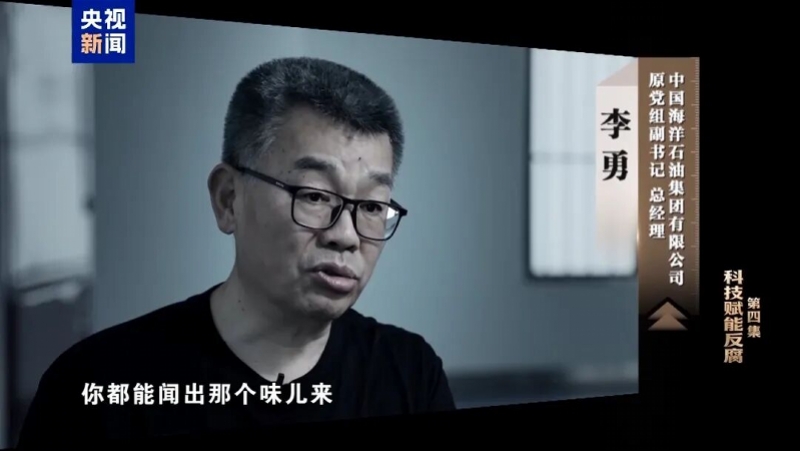
极度恐慌、情绪崩溃,李勇在阁楼烧现金企图脱罪
中国能源报· 2026-01-14 14:33
Core Viewpoint - The article discusses the case of Li Yong, former Deputy Secretary of the Party Committee and General Manager of China National Offshore Oil Corporation (CNOOC), highlighting the use of technology in anti-corruption efforts and the challenges of cross-border corruption investigations [1][6][8]. Group 1: Case Background - Li Yong was involved in significant overseas projects for CNOOC, with a prominent issue of cross-border corruption [6]. - Over 83% of the illicit funds in Li Yong's case originated from abroad, with investigations spanning 10 countries and regions [8]. - Li Yong believed that operating overseas would shield him from investigations, thinking that evidence would be hard to trace [12]. Group 2: Investigation Techniques - The disciplinary inspection and supervision authorities utilized big data and information technology to enhance the effectiveness of their investigations [1][17]. - A specialized task force analyzed extensive business records and employed data collision techniques to identify key suspects linked to Li Yong [15][17]. - The investigation revealed suspicious procurement projects linked to a businessman named Ren Fengde, who had close ties with Li Yong [18][22]. Group 3: Corruption Methods - Li Yong engaged in corrupt practices by disguising bribery within seemingly legitimate project collaborations, believing he could evade detection [10][26]. - He facilitated the receipt of bribes through intermediaries, such as Ren Fengde, who acted as a "white glove" to obscure the transactions [26][31]. - Li Yong's methods included creating offshore accounts to hide illicit funds, complicating the money trail across multiple jurisdictions [37][39]. Group 4: Consequences and Legal Actions - Following the investigation, Li Yong was placed under scrutiny and ultimately detained, leading to a conviction for bribery with a sentence of 14 years in prison and a fine of 3 million yuan [59][61]. - The case exemplifies the effectiveness of international cooperation in anti-corruption efforts, with successful evidence collection from foreign jurisdictions [39].
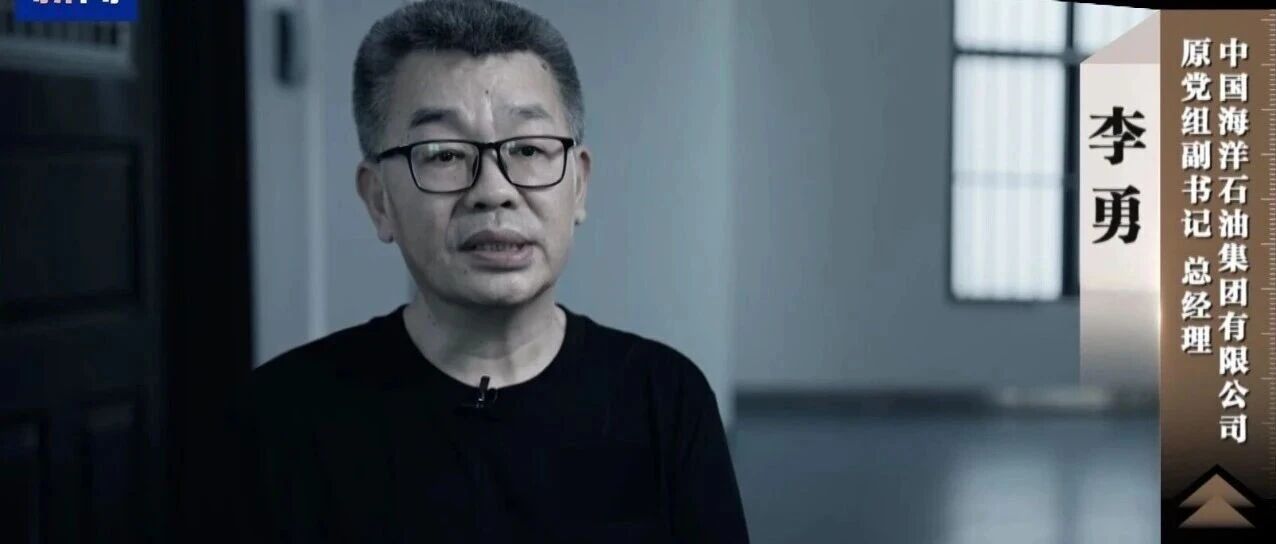
极度恐慌、情绪崩溃,落马官员李勇曾在阁楼烧现金企图脱罪
Xin Hua Wang· 2026-01-14 14:28
Core Viewpoint - The documentary highlights the increasing efforts of China's disciplinary inspection and supervision agencies in combating cross-border corruption, utilizing big data and information technology to uncover and investigate numerous cases, including that of Li Yong, a former executive at China National Offshore Oil Corporation (CNOOC) [1][12]. Group 1: Corruption Case of Li Yong - Li Yong, who worked in the oil sector for nearly 40 years, is suspected of serious corruption, with significant amounts of bribe money hidden overseas [3][5]. - The investigation into Li Yong was initiated after receiving tips about his activities, leading to a comprehensive analysis of his business dealings and the identification of suspicious transactions involving a businessman named Ren Fengde [3][7]. - Li Yong and Ren Fengde, who have a long-standing personal and professional relationship, engaged in a scheme where Ren acted as a "white glove" to facilitate bribe payments while obscuring Li's involvement [5][8]. Group 2: Investigation and Legal Consequences - The investigation revealed that Li Yong received millions of dollars in bribes, which were then funneled through complex offshore banking routes to evade detection [7][12]. - Li Yong was ultimately sentenced to 14 years in prison for bribery, with a fine of 3 million yuan, and all overseas illicit funds were successfully recovered [10][12]. - The case underscores the importance of international cooperation in anti-corruption efforts and the use of technology to track and recover illicit assets, marking a significant step in addressing cross-border corruption [12].
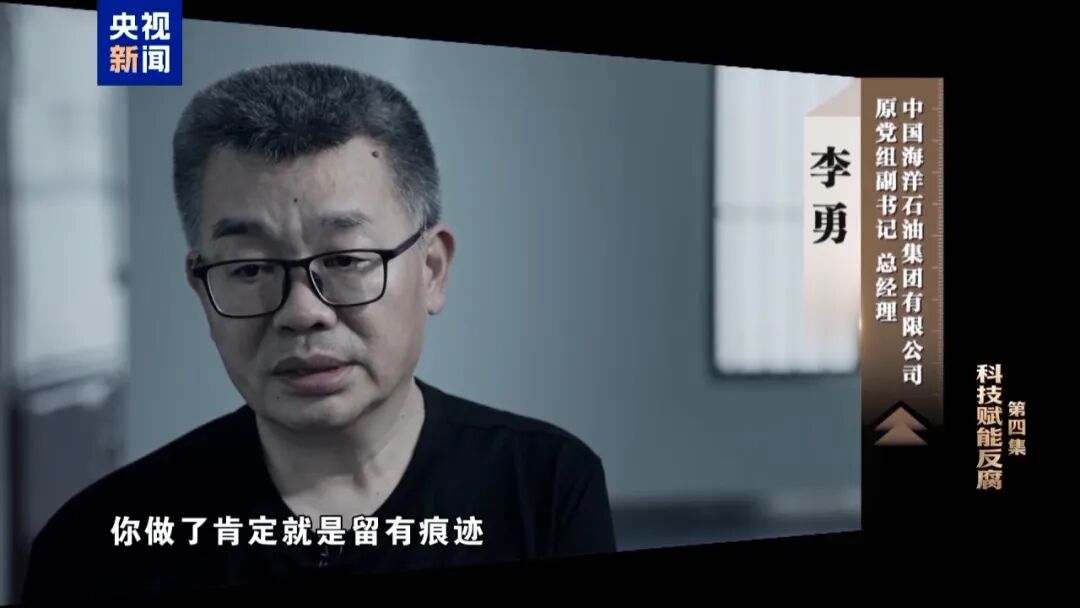
赃款藏海外、商人充当“白手套”,李勇跨境腐败细节曝光
21世纪经济报道· 2026-01-14 13:21
Core Viewpoint - The article discusses the increasing efforts of China's disciplinary inspection and supervision agencies in combating cross-border corruption, highlighting the case of Li Yong, a former executive of China National Offshore Oil Corporation (CNOOC), who was investigated for serious corruption issues related to overseas projects [1][5][18]. Group 1: Case of Li Yong - Li Yong, who worked in the oil sector for nearly 40 years, was suspected of serious corruption, particularly in overseas projects, where he concealed large amounts of bribe money [3][5]. - The investigation into Li Yong was initiated after receiving tips about his suspicious activities, leading to a comprehensive analysis of his business dealings and the use of data technology to uncover evidence [5][9]. - Li Yong had a close relationship with a businessman named Ren Fengde, who acted as a "white glove" to facilitate bribe payments, allowing Li to distance himself from direct involvement [7][9]. Group 2: Mechanisms of Corruption - Li Yong engaged in corrupt practices by inflating transaction costs and allowing unreasonably high commissions in overseas projects, which he believed were well-concealed [11][14]. - In one instance, he received a "thank you fee" of several million dollars from an agent after helping them win a bid, which was then funneled through offshore accounts to obscure its origin [9][10]. - The investigation revealed that Li Yong's corrupt activities not only harmed state interests but also involved threats from agents when he attempted to negotiate lower commissions [13][14]. Group 3: Legal Consequences and Recovery of Assets - Following the investigation, Li Yong was sentenced to 14 years in prison and fined 3 million RMB for accepting bribes [15][18]. - The disciplinary agencies successfully recovered all of Li Yong's overseas illicit funds, demonstrating a commitment to tackling both domestic and international corruption [18]. - The case exemplifies the ongoing efforts to enhance international cooperation in anti-corruption measures and the use of technology to track and recover illicit assets [18].
中海油原总经理,在停车场被行贿者威胁退钱!事发后一度崩溃,想在阁楼里烧现金
Xin Lang Cai Jing· 2026-01-14 13:16
Core Viewpoint - The article discusses the use of technology, particularly big data and artificial intelligence, in enhancing anti-corruption efforts within China's disciplinary inspection and supervision system, highlighting the case of Li Yong, a former executive at China National Offshore Oil Corporation (CNOOC), as a significant example of cross-border corruption [1][56]. Group 1: Technology in Anti-Corruption - The disciplinary inspection and supervision agencies are accelerating the construction of a digital system to enhance anti-corruption efforts using big data and AI [1][56]. - Recent efforts have focused on addressing cross-border corruption, which has become a challenge for authorities as corrupt individuals attempt to evade investigation by moving illicit funds abroad [1][56]. - The application of technology has significantly improved the efficiency and effectiveness of supervision and law enforcement in combating corruption [1][56]. Group 2: Li Yong's Case - Li Yong, former Deputy Secretary of the Party Committee and General Manager of CNOOC, is under investigation for serious corruption issues, particularly in overseas projects [5][60]. - Over 83% of the illicit funds in Li Yong's case originated from abroad, with investigations spanning 10 countries and regions [7][62]. - Li Yong's long tenure in the oil sector allowed him to disguise corrupt practices within seemingly legitimate project collaborations, making it difficult to trace the evidence of his wrongdoing [9][64]. Group 3: Investigation Techniques - The investigation into Li Yong was initiated based on various clues and suspicions regarding his involvement in corruption, leading to a data-driven approach for evidence gathering [11][66]. - The use of big data platforms allowed investigators to analyze Li Yong's business relationships and identify key individuals involved in corrupt activities [14][69]. - A businessman named Ren Fengde, who had close ties with Li Yong, was found to have received suspicious contracts, indicating a network of corruption [14][69]. Group 4: Corruption Mechanisms - Li Yong utilized his position to facilitate corrupt transactions, often using intermediaries to obscure the flow of illicit funds [23][78]. - He arranged for offshore accounts to hide the proceeds of corruption, complicating the tracing of these funds [31][86]. - The investigation successfully utilized international cooperation to gather evidence, demonstrating the effectiveness of cross-border legal collaboration in anti-corruption efforts [33][88]. Group 5: Consequences and Sentencing - Following the investigation, Li Yong was detained and later sentenced to 14 years in prison for bribery, along with a fine of 3 million RMB [53][108]. - The case serves as a cautionary tale about the consequences of corruption, highlighting the irreversible damage to personal and professional reputations [55][110].
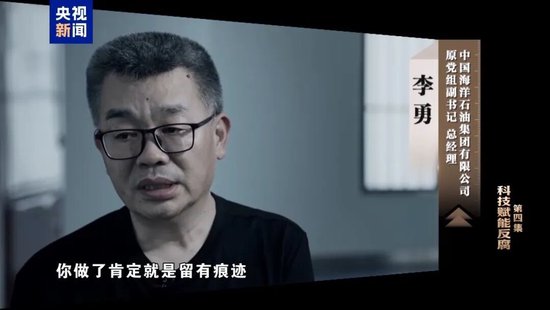
极度恐慌、情绪崩溃,副部级李勇在阁楼烧现金企图脱罪
2 1 Shi Ji Jing Ji Bao Dao· 2026-01-14 13:15
Core Viewpoint - The documentary highlights the case of Li Yong, former Deputy Secretary of the Party Committee and General Manager of China National Offshore Oil Corporation (CNOOC), emphasizing the role of technology in enhancing anti-corruption efforts through digital monitoring and data analysis [1][5][37]. Group 1: Case Overview - Li Yong has been under investigation since March 2024 for serious corruption issues related to his extensive overseas projects [5]. - The case is characterized as a typical example of cross-border corruption in state-owned enterprises, with over 83% of the illicit funds originating from abroad [7]. - Li Yong's long tenure in the oil sector allowed him to disguise corrupt practices within seemingly legitimate business collaborations [9]. Group 2: Investigative Techniques - The disciplinary inspection and supervision authorities utilized big data and information technology to uncover Li Yong's corruption, leading to a comprehensive analysis of his business dealings [11][14]. - The investigation involved international cooperation across ten countries and regions to gather evidence [7][27]. - Data analysis revealed suspicious relationships and transactions, particularly involving a businessman named Ren Fengde, who was found to have significant ties to Li Yong [15][17]. Group 3: Corruption Mechanisms - Li Yong facilitated corrupt transactions by using intermediaries to obscure the flow of illicit funds, including setting up offshore accounts [19][25]. - He engaged in schemes where high commissions were paid to foreign agents, which were then funneled back to him through complex financial arrangements [29][31]. - The investigation uncovered that Li Yong had received millions in bribes disguised as "thank you fees" for facilitating contracts [23][19]. Group 4: Consequences and Sentencing - Following the investigation, Li Yong was detained and ultimately sentenced to 14 years in prison for bribery, along with a fine of 3 million yuan [37]. - The case serves as a cautionary tale about the consequences of corruption, highlighting the irreversible damage to personal reputation and public trust [39].
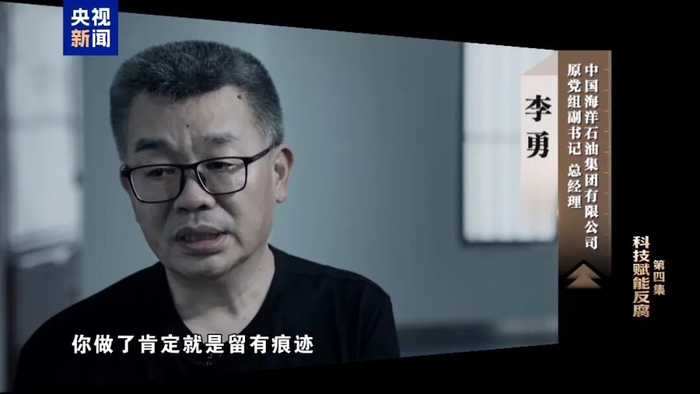
李勇:不应该去收人家的钱,做了肯定就留有痕迹
Xin Lang Cai Jing· 2026-01-13 16:42
Group 1 - The documentary series highlights the importance of combating corruption, particularly focusing on cross-border corruption and the use of technology to uncover illicit activities [1][3] - Key figures from various organizations, including China National Offshore Oil Corporation and the China Securities Regulatory Commission, express regret over their involvement in corrupt practices [1][4] - The emphasis is placed on the need for strict adherence to regulations and the use of digital tools to enhance transparency and accountability in governance [6][8] Group 2 - The documentary reveals that virtual currency is a new form of bribery that requires vigilance from anti-corruption agencies [3] - The transformation of virtual assets into tangible assets makes it easier to expose corrupt activities, indicating a shift in how public power is monitored [6] - The integration of information technology in anti-corruption efforts is seen as a significant advancement in the supervision process, contributing to a more effective governance framework [6][8]
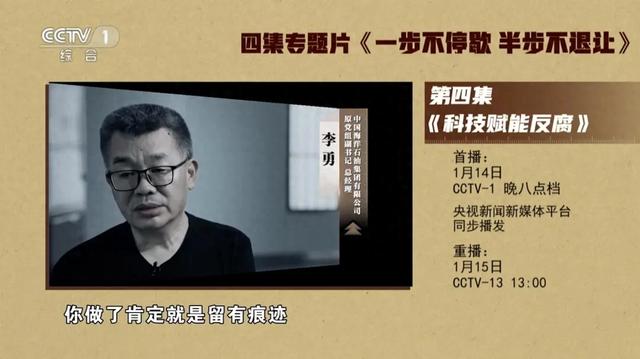
中纪委通报去年65名中管干部被查,前11个月追回外逃人员782人
Xin Lang Cai Jing· 2026-01-06 07:55
Core Viewpoint - The article emphasizes the ongoing efforts of the Central Commission for Discipline Inspection (CCDI) and the National Supervisory Commission to eliminate the conditions that foster corruption in China, highlighting a comprehensive approach to prevent corruption at various levels of government and sectors [1][4]. Group 1: Anti-Corruption Measures - In 2025, the CCDI reported that 65 senior officials were subjected to investigation and disciplinary actions [1][4]. - The CCDI focuses on political discipline as the most fundamental aspect of governance, addressing intertwined political and economic corruption issues [1][4]. - Key sectors targeted for corruption eradication include finance, state-owned enterprises, energy, and construction, with a focus on high-risk areas where power and resources are concentrated [5][6]. Group 2: Family and Personal Conduct Oversight - The CCDI is enhancing supervision of the business activities of officials' family members to prevent corruption stemming from improper family conduct [2][5]. - There is a focus on individuals involved in repeated and large-scale bribery, particularly in construction and personnel management sectors [2][5]. Group 3: New Forms of Corruption - The CCDI is analyzing past cases to identify new and hidden forms of corruption, aiming to refine methods of punishment and prevention [6]. - A new guideline was issued to address the challenges of detecting and proving new types of corruption [6]. Group 4: Cross-Border Corruption Efforts - The "Sky Net 2025" operation resulted in the recovery of 782 fugitives, including 61 party members and state officials, from January to November 2025 [3][6]. - A total of 236.57 billion yuan in illicit funds was recovered during the same period, reflecting enhanced cross-border corruption governance [7]. - China has signed cooperation agreements with over 150 countries and 30 international organizations to strengthen anti-corruption efforts globally [7].
易会满、蒋超良、金湘军、蓝天立等,被中纪委机关报点名
财联社· 2026-01-06 07:36
Core Viewpoint - The article emphasizes the ongoing efforts of the Central Commission for Discipline Inspection and the National Supervisory Commission to eliminate corruption by implementing a multi-faceted approach that includes deterrence, constraints, and moral persuasion. Group 1 - In 2025, the Central Commission for Discipline Inspection and the National Supervisory Commission reported that 65 senior officials were subjected to investigation and disciplinary actions throughout the year [2] - Key investigations included high-profile cases involving officials such as Jiang Chaoliang and Yi Huiman, focusing on systemic corruption risks [2] - From January to November 2025, a total of 782 fugitives were repatriated, including 61 party members and state officials, with significant efforts made to recover embezzled funds totaling 236.57 billion yuan [2] Group 2 - The year 2026 marks the beginning of the "14th Five-Year Plan," where disciplinary bodies will focus on understanding the fundamental laws and tasks of the anti-corruption struggle [3] - The goal is to maintain a clear awareness of the ongoing challenges and to combine deterrence, constraints, and moral influence to ensure a clean governance environment [3] - The efforts aim to provide strong support for economic and social development during the "14th Five-Year Plan" period [3]