数字纪检监察体系

Search documents
权钱交易怎样披上“隐身衣”(不断提高反腐败穿透力)
Ren Min Ri Bao· 2026-01-21 07:29
Core Viewpoint - The investigation into a corruption case involving a government official in Chengdu reveals the use of sophisticated methods to conceal illicit financial transactions, highlighting the challenges of oversight in complex industries [1][5]. Group 1: Investigation Findings - The investigation identified a network of relationships involving the official, Xie, and a businessman, Tu, who acted as an intermediary in corrupt activities, including bid rigging and financial transactions [2][4]. - Evidence showed that Xie provided advance information to Tu regarding project bids, facilitating Tu's success in securing contracts, while Tu managed financial transactions on behalf of Xie [2][3]. - The investigation uncovered a hidden scheme where Xie received "dry shares" as a form of bribe, which were disguised as legitimate business transactions, complicating the detection of corruption [4][5]. Group 2: Corruption Characteristics - The case exemplifies new forms of corruption characterized by high concealment, utilizing fake transactions and shadow companies to mask illicit activities, making traditional oversight ineffective [5]. - The complexity of the industry creates supervisory blind spots, leading to challenges in monitoring and regulating corrupt practices effectively [5]. - The investigation revealed that the corrupt practices often involved indirect transactions and compliance with superficial market behaviors, complicating the identification of wrongdoing [3][5]. Group 3: Technological Solutions - The Chengdu Municipal Commission for Discipline Inspection is leveraging technology to enhance anti-corruption efforts, developing a big data supervision platform to identify and analyze corruption risks in various sectors [5][6]. - The platform includes 564 supervision models related to bidding, state assets, and construction, aiming to improve the efficiency and effectiveness of oversight [5]. - Since 2025, the use of digital monitoring has led to a significant portion of corruption cases being identified through data analysis, accounting for 17.1% of total cases in the city [6].


中国共产党广西壮族自治区第十二届纪律检查委员会第六次全体会议公报
Guang Xi Ri Bao· 2026-01-18 03:26
Core Viewpoint - The Sixth Plenary Session of the 12th Discipline Inspection Commission of the Guangxi Zhuang Autonomous Region emphasizes the importance of strict party governance and anti-corruption efforts to ensure the successful implementation of the "15th Five-Year Plan" and the modernization of Guangxi [1][2][4]. Group 1: Meeting Overview - The plenary session was held from January 16 to 17, 2026, in Nanning, attended by 40 members of the regional discipline inspection commission and 346 attendees [1]. - The meeting was presided over by the regional discipline inspection commission and focused on summarizing the 2025 work and deploying tasks for 2026 [1][2]. Group 2: Key Messages from Leadership - The session highlighted the significance of Xi Jinping's important speech at the Fifth Plenary Session of the Central Commission for Discipline Inspection, which acknowledged the achievements in strict party governance over the past year and outlined strategic deployments for the future [2][3]. - The leadership emphasized the need for a high standard and practical measures to advance strict party governance and ensure the success of the "15th Five-Year Plan" [4][5]. Group 3: Focus Areas for 2026 - The year 2026 is identified as the starting year for the "15th Five-Year Plan" and the 105th anniversary of the party, necessitating a commitment to strict governance and anti-corruption measures [5][6]. - The session called for a comprehensive approach to political supervision, ensuring the implementation of the Central Committee's decisions and addressing issues such as corruption in key sectors [7][9]. Group 4: Anti-Corruption Strategies - The meeting outlined a multi-faceted strategy to combat corruption, focusing on high-pressure tactics, addressing key areas such as finance, state-owned enterprises, and education, and targeting influential individuals [9][10]. - Emphasis was placed on the importance of a unified approach to governance, integrating various oversight mechanisms to enhance the effectiveness of anti-corruption efforts [9][10]. Group 5: Organizational Development - The session stressed the need for continuous improvement in the capabilities of the discipline inspection and supervision teams, including training and reform initiatives [11][12]. - A call was made for a culture of integrity and self-discipline among officials, promoting a positive political environment conducive to the goals of the "15th Five-Year Plan" [12].
极度恐慌、情绪崩溃,李勇在阁楼烧现金企图脱罪
中国能源报· 2026-01-14 14:33
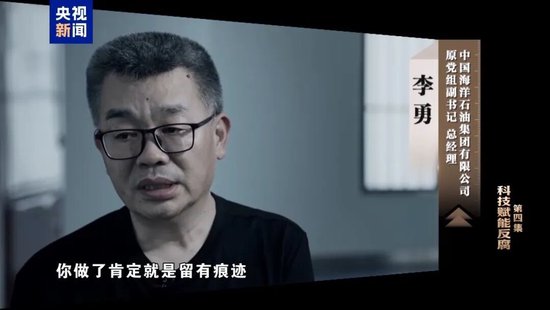
Core Viewpoint - The article discusses the case of Li Yong, former Deputy Secretary of the Party Committee and General Manager of China National Offshore Oil Corporation (CNOOC), highlighting the use of technology in anti-corruption efforts and the challenges of cross-border corruption investigations [1][6][8]. Group 1: Case Background - Li Yong was involved in significant overseas projects for CNOOC, with a prominent issue of cross-border corruption [6]. - Over 83% of the illicit funds in Li Yong's case originated from abroad, with investigations spanning 10 countries and regions [8]. - Li Yong believed that operating overseas would shield him from investigations, thinking that evidence would be hard to trace [12]. Group 2: Investigation Techniques - The disciplinary inspection and supervision authorities utilized big data and information technology to enhance the effectiveness of their investigations [1][17]. - A specialized task force analyzed extensive business records and employed data collision techniques to identify key suspects linked to Li Yong [15][17]. - The investigation revealed suspicious procurement projects linked to a businessman named Ren Fengde, who had close ties with Li Yong [18][22]. Group 3: Corruption Methods - Li Yong engaged in corrupt practices by disguising bribery within seemingly legitimate project collaborations, believing he could evade detection [10][26]. - He facilitated the receipt of bribes through intermediaries, such as Ren Fengde, who acted as a "white glove" to obscure the transactions [26][31]. - Li Yong's methods included creating offshore accounts to hide illicit funds, complicating the money trail across multiple jurisdictions [37][39]. Group 4: Consequences and Legal Actions - Following the investigation, Li Yong was placed under scrutiny and ultimately detained, leading to a conviction for bribery with a sentence of 14 years in prison and a fine of 3 million yuan [59][61]. - The case exemplifies the effectiveness of international cooperation in anti-corruption efforts, with successful evidence collection from foreign jurisdictions [39].

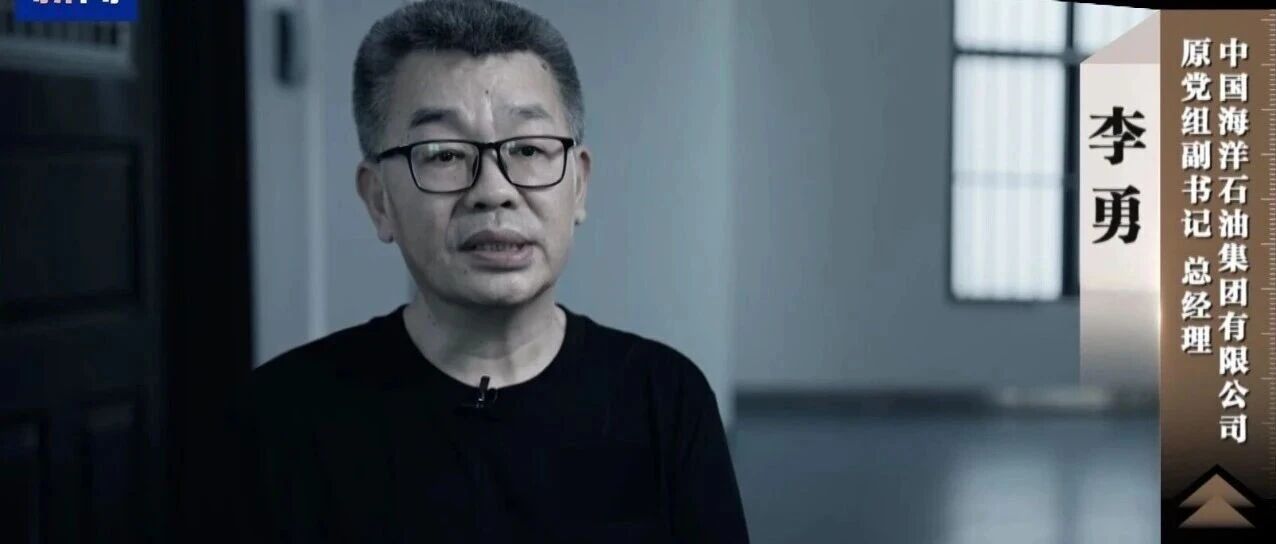
中海油原总经理,在停车场被行贿者威胁退钱!事发后一度崩溃,想在阁楼里烧现金
Xin Lang Cai Jing· 2026-01-14 13:16
Core Viewpoint - The article discusses the use of technology, particularly big data and artificial intelligence, in enhancing anti-corruption efforts within China's disciplinary inspection and supervision system, highlighting the case of Li Yong, a former executive at China National Offshore Oil Corporation (CNOOC), as a significant example of cross-border corruption [1][56]. Group 1: Technology in Anti-Corruption - The disciplinary inspection and supervision agencies are accelerating the construction of a digital system to enhance anti-corruption efforts using big data and AI [1][56]. - Recent efforts have focused on addressing cross-border corruption, which has become a challenge for authorities as corrupt individuals attempt to evade investigation by moving illicit funds abroad [1][56]. - The application of technology has significantly improved the efficiency and effectiveness of supervision and law enforcement in combating corruption [1][56]. Group 2: Li Yong's Case - Li Yong, former Deputy Secretary of the Party Committee and General Manager of CNOOC, is under investigation for serious corruption issues, particularly in overseas projects [5][60]. - Over 83% of the illicit funds in Li Yong's case originated from abroad, with investigations spanning 10 countries and regions [7][62]. - Li Yong's long tenure in the oil sector allowed him to disguise corrupt practices within seemingly legitimate project collaborations, making it difficult to trace the evidence of his wrongdoing [9][64]. Group 3: Investigation Techniques - The investigation into Li Yong was initiated based on various clues and suspicions regarding his involvement in corruption, leading to a data-driven approach for evidence gathering [11][66]. - The use of big data platforms allowed investigators to analyze Li Yong's business relationships and identify key individuals involved in corrupt activities [14][69]. - A businessman named Ren Fengde, who had close ties with Li Yong, was found to have received suspicious contracts, indicating a network of corruption [14][69]. Group 4: Corruption Mechanisms - Li Yong utilized his position to facilitate corrupt transactions, often using intermediaries to obscure the flow of illicit funds [23][78]. - He arranged for offshore accounts to hide the proceeds of corruption, complicating the tracing of these funds [31][86]. - The investigation successfully utilized international cooperation to gather evidence, demonstrating the effectiveness of cross-border legal collaboration in anti-corruption efforts [33][88]. Group 5: Consequences and Sentencing - Following the investigation, Li Yong was detained and later sentenced to 14 years in prison for bribery, along with a fine of 3 million RMB [53][108]. - The case serves as a cautionary tale about the consequences of corruption, highlighting the irreversible damage to personal and professional reputations [55][110].
回眸2025 | 以信息化助力一体推进“三不腐”
Zhong Yang Ji Wei Guo Jia Jian Wei Wang Zhan· 2026-01-10 01:41
Group 1 - The core viewpoint of the article emphasizes the acceleration of the digital disciplinary inspection and supervision system in Hebei Province, leveraging information technology to enhance anti-corruption efforts and promote integrity [1][2][9] - The Hebei Provincial Commission for Discipline Inspection and Supervision is implementing a comprehensive data-driven approach to identify and address corruption, as evidenced by the recovery of 87,600 yuan from six officials who improperly received unemployment benefits [2][3] - The establishment of a rural collective asset management supervision model has led to the identification of 2,736 warning signals related to issues in rural collective asset management, enhancing the ability to detect problems at the grassroots level [3][5] Group 2 - The article discusses the integration of information technology into various sectors, including agriculture and education, to improve management and oversight of collective assets and contracts [5][6] - The use of digital tools in warning education and cultural promotion is highlighted, with innovative methods such as AI digital presentations enhancing the effectiveness of anti-corruption education [6][7] - The article outlines the development of a comprehensive digital platform for sharing and managing data related to disciplinary actions, which aims to improve the efficiency and effectiveness of governance [7][10]
得意之笔 | 提高监督主动性精准性穿透力湖北以大数据信息化赋能正风反腐
Zhong Yang Ji Wei Guo Jia Jian Wei Wang Zhan· 2025-12-15 00:18
Core Viewpoint - The integration of digital technology and disciplinary inspection work in Hubei Province is enhancing the effectiveness of supervision, aligning with the directives of the central government to utilize big data for modern governance and anti-corruption efforts [3][4]. Group 1: Digital Supervision Initiatives - Hubei Province is hosting a digital supervision case competition to showcase best practices and encourage the use of big data in disciplinary inspection [3][4]. - The provincial disciplinary inspection commission is building a digital supervision system supported by a big data resource center, aiming to create a comprehensive supervision framework [3][5]. Group 2: Data Integration and Analysis - The establishment of a supervision information integration platform allows for the collection, analysis, and application of supervision data across various departments, enhancing the efficiency of data utilization [5][6]. - The integration of data from different sectors, such as rural collective assets and public service sectors, is being emphasized to identify anomalies and improve oversight [6][7]. Group 3: Systematic Governance and Case Management - The use of data models in specific sectors, such as engineering, has led to the identification of corruption and inefficiencies, demonstrating the effectiveness of data-driven investigations [7][8]. - A digital supervision model is being developed to transition from individual case handling to systematic governance, improving the overall effectiveness of anti-corruption measures [8][9]. Group 4: Empowering Local Governance - Local governments are utilizing big data to enhance grassroots supervision, allowing citizens to report issues easily and participate in oversight [9][10]. - The implementation of a smart regulatory system for bidding and procurement aims to ensure transparency and accountability in public resource management [10][11]. Group 5: Talent Development and Capacity Building - There is a focus on cultivating talent skilled in big data and disciplinary inspection to enhance the capabilities of inspection agencies [15][16]. - Training programs are being established to improve the data analysis skills of disciplinary inspection personnel, ensuring they can effectively utilize digital tools in their work [15][16].
派驻中管企业纪检监察组推进信息化建设 为监督执纪安上科技“透视镜”
Zhong Yang Ji Wei Guo Jia Jian Wei Wang Zhan· 2025-12-14 00:53
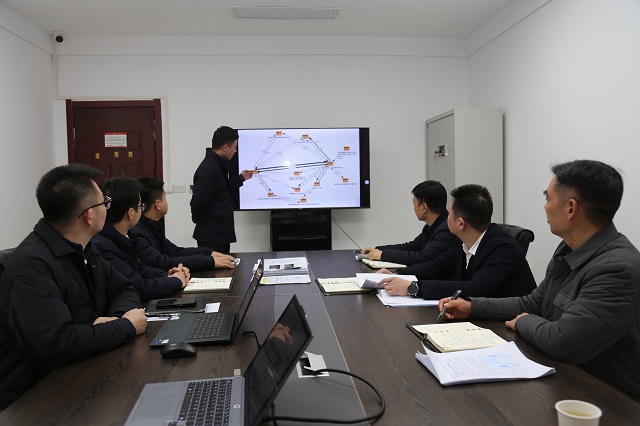
Group 1 - The Central Commission for Discipline Inspection and National Supervisory Commission is enhancing digital supervision to combat corruption within state-owned enterprises, focusing on data-driven models to identify irregularities [1][3] - A recent inspection revealed issues such as frequent reimbursements by the same personnel and discrepancies in accommodation locations, leading to disciplinary actions against involved parties and the recovery of over 11,000 yuan in illicit funds [1] - The establishment of a comprehensive digital supervision system aims to integrate large data volumes, transforming isolated data into cohesive clusters, which is crucial for effective oversight [1] Group 2 - The digital oversight framework includes the development of risk alert models for various areas, such as vehicle and hospitality expenses, enhancing the ability to preemptively identify potential issues [1][3] - The National Pipeline Network Group's disciplinary inspection team is creating a detailed integrity archive for each enterprise, incorporating findings from audits and inspections to strengthen oversight [2] - The China Telecom disciplinary inspection team has implemented a digital platform that connects with other regulatory systems, allowing for real-time monitoring of multiple risk points related to financial operations [3] Group 3 - The use of small models, tools, and algorithms is being promoted to streamline data analysis and enhance the accuracy of investigations, facilitating the identification of risks in power operations [4] - Future initiatives will focus on leveraging big data and artificial intelligence to further empower the disciplinary inspection work, ensuring high-quality development in oversight practices [4]


在创新中狠抓落实丨让数据说话 为反腐赋能
Zhong Yang Ji Wei Guo Jia Jian Wei Wang Zhan· 2025-11-23 00:59
Core Insights - The article discusses the application of big data technology in combating corruption and enhancing the efficiency of disciplinary inspection and supervision in Wuzhou, Guangxi [2][3]. Group 1: Implementation of Big Data in Anti-Corruption - Wuzhou's disciplinary inspection and supervision commission has utilized big data analysis to identify irregularities in vehicle inspection agencies, revealing potential collusion between public officials and these agencies [2]. - The commission has established a big data supervision working group to enhance data modeling and analysis, ensuring a precise connection between technology and supervision [3][4]. - The use of big data has led to the identification of key evidence in cases involving high-ranking officials, such as the former chairman of a county investment company, facilitating the investigation process [3][5]. Group 2: Case Studies and Outcomes - In the investigation of a former deputy director of the emergency management bureau, big data analysis helped uncover hidden bribery practices, leading to the official's expulsion from the party and legal consequences [5]. - The commission has shifted from single data analysis to comprehensive data analysis for case handling, demonstrating a proactive approach in utilizing data for broader investigations [4][5]. - Continuous training and capacity building for disciplinary inspection personnel in digital literacy are emphasized to enhance their practical application of big data in investigations [5].
济南探索大数据应用 科技赋能提高监督质效
Zhong Yang Ji Wei Guo Jia Jian Wei Wang Zhan· 2025-11-09 00:58
Group 1 - The core focus is on addressing issues related to rural public welfare positions, including false claims for subsidies, illegal part-time jobs, and vacant positions, through the use of a big data supervision platform [1] - Jinan's disciplinary inspection and supervision authority has established a digital disciplinary inspection system framework, emphasizing the integration of data resources and business applications to enhance oversight and investigation capabilities [1][2] - The authority has implemented 69 digital supervision analysis models across 16 key areas, including land acquisition and administrative law enforcement, to identify and address issues effectively [2] Group 2 - The Jinan disciplinary inspection agency has developed big data supervision models targeting public welfare sectors such as rural revitalization, education, and healthcare, successfully identifying and addressing violations that harm public interests [2] - In the Licheng District, cross-verification of village committee personnel information with financial data has led to the discovery of 30 cases of improper subsidy distribution, resulting in disciplinary actions against 34 individuals and the recovery of over 6.3 million yuan [3] - The Jinan disciplinary inspection authority is enhancing its investigative capabilities against new and hidden corruption through advanced data analysis techniques, focusing on areas such as stocks, real estate, and loans [4]
纪检监察工作高质量发展·践悟 | 加快完善数字纪检监察体系
Zhong Yang Ji Wei Guo Jia Jian Wei Wang Zhan· 2025-10-28 00:37
Core Viewpoint - The article emphasizes the importance of integrating digital technology into the disciplinary inspection and supervision system to enhance efficiency and effectiveness in combating corruption and ensuring accountability [6][18]. Group 1: Digital Integration in Supervision - Various local governments, including those in Shandong, Chongqing, and Jiangsu, are advancing the construction of digital disciplinary inspection systems, focusing on cultivating digital thinking and literacy among inspectors [19]. - The integration of digital technology into disciplinary inspection processes is seen as a crucial method for improving the quality of supervision and law enforcement [7][9]. - Establishing a comprehensive data resource center and a digital supervision application platform is essential for optimizing data collection, sharing, and analysis [9][10]. Group 2: Data Utilization and Analysis - The development of customized data models and analytical tools is being prioritized to enhance the precision and effectiveness of supervision [8][12]. - A closed-loop governance chain is being established to address issues identified through data analysis, ensuring timely feedback and corrective actions [11][13]. - The use of big data for real-time monitoring and early warning systems is being implemented to detect irregularities in various sectors, such as education and healthcare [12][18]. Group 3: Training and Capacity Building - There is a strong emphasis on enhancing the digital skills and awareness of disciplinary inspection personnel through targeted training programs [15][16]. - The establishment of a talent pool for digital supervision is aimed at fostering a collaborative environment between technical and operational teams [15][19]. - Practical training and real-case simulations are being utilized to improve the operational capabilities of inspectors in data analysis and electronic evidence collection [16][18].