车家一体

Search documents
汽车之家荣膺“最具投资价值中概股” 加速构建汽车产业新生态
Zheng Quan Ri Bao Wang· 2025-12-04 03:58
Core Viewpoint - Autohome has been awarded the "Most Investment Value Chinese Concept Stock" at the 10th Zhito Finance Capital Market Annual Conference, recognizing its strong business model, operational performance, and ecological value [1] Group 1: Strategic Transformation and Ecosystem Reconstruction - Autohome has successfully transformed from a leading automotive vertical media to a digital automotive ecosystem platform centered on "content + transactions + services," integrating online and offline operations [6] - The strategic investment from Haier Group's Katai Chi has led to significant breakthroughs in business integration, scenario expansion, and digital capability development within just over three months [6] - The CEO of Autohome emphasized that the recognition of their transformation is a guide for future growth, focusing on connecting diverse scenarios and releasing ecological value throughout the user lifecycle [6] Group 2: Content as a Core Competitive Barrier - Autohome views content as a core competitive barrier, enhancing its value from a traffic tool to a central hub for consumer decision-making and brand trust [7] - The platform has invested in professional content creation, expanding its offerings in original reviews, in-depth reports, and user community development [7] - Autohome has embraced content innovation through various formats like short videos and live broadcasts, increasing user engagement and loyalty [7] Group 3: O2O Ecosystem and One-Stop Service - The integration of online and offline services is crucial for user retention and value enhancement, with the launch of the Autohome Mall marking a significant step in transaction closure [8] - The mall allows users to select cars online, pay deposits, and receive vehicles through a nationwide dealer network, enhancing transparency and trust in the purchasing process [8] - Autohome's ecosystem supports various services, including new car purchases, used car exchanges, and after-market services, facilitating efficient collaboration between online resources and offline services [8] Group 4: Future Growth Prospects - Autohome aims to expand beyond automotive services, focusing on becoming the preferred platform for car selection and an O2O new retail platform [9] - The company is envisioning future scenarios of "car life" and "car-home connectivity," aiming to integrate into broader lifestyle and smart scenarios [9] - The evolution of Autohome reflects the deep integration of China's automotive industry with the digital consumer ecosystem, transitioning from automotive information to a narrative about future lifestyles [9]


屡败屡战,又一家电巨头官宣造车
汽车商业评论· 2025-10-28 23:08
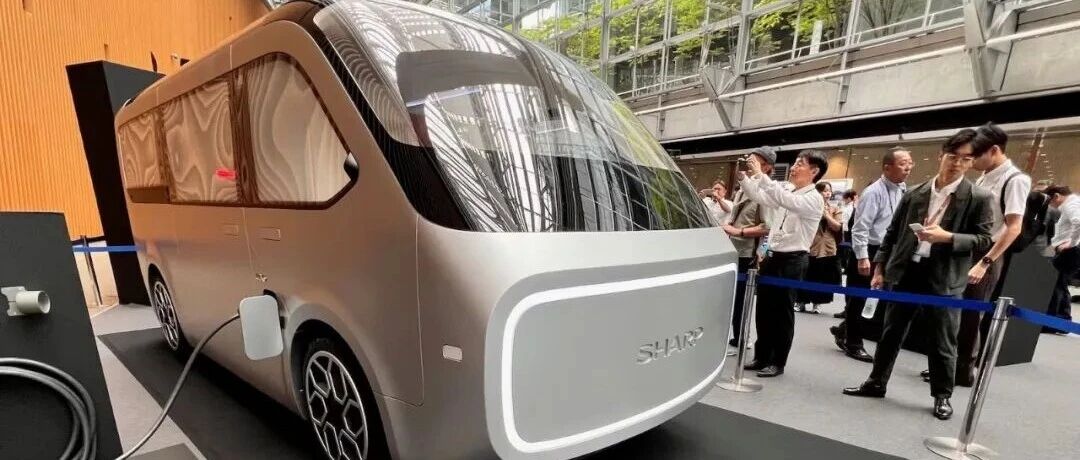
Core Viewpoint - Sharp is set to launch an electric vehicle (EV) in the fiscal year 2027, marking a strategic transformation for the company, which aims to create a "living room on wheels" rather than a traditional vehicle [3][4][6]. Group 1: Electric Vehicle Concept - The concept vehicle, known as LDK+, features a design that integrates a 65-inch display, transforming the car into an immersive entertainment space and a mobile office [6][10]. - The new version of the concept car has been optimized for mass production, featuring a more traditional MPV design and replacing the large screen with a projector and retractable screen for practicality [8][9]. Group 2: Strategic Partnerships - Sharp's EV project is closely tied to Foxconn, which provides a modular electric platform and has ambitions to become a significant player in the EV market [4][13]. - Foxconn's support is crucial for Sharp's entry into the EV sector, leveraging its technological expertise in AI and IoT to enhance the vehicle's capabilities [16][17]. Group 3: Market Positioning and Challenges - Sharp aims to break away from traditional dealership models by selling the EV through electronic retail and home builders, creating synergies with its consumer electronics and smart home businesses [10][24]. - The automotive industry has seen many companies from other sectors attempt to enter, but success is not guaranteed, as evidenced by the struggles of Sony and Dyson in the EV market [20][24].