返老还童

Search documents
斯坦福「返老还童」新研究:无需干细胞,逆转关节损伤和老化
量子位· 2026-01-25 03:34
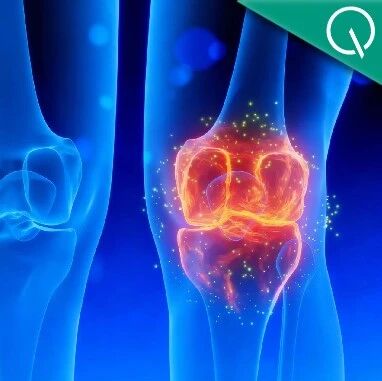
Core Viewpoint - A new study from Stanford University School of Medicine focuses on joint health, aiming for cartilage regeneration through oral or injectable drugs without relying on expensive stem cells or surgical replacements [1][3]. Group 1: Research Background - The study addresses the "impossible triangle" of cartilage repair, which includes the scarcity of cartilage cells, lack of blood supply for repair materials, and the harsh environment due to continuous load and friction [4][5]. - Millions suffer from joint pain and swelling as they age, indicating a significant unmet medical need [6]. Group 2: Current Treatment Limitations - Existing treatments primarily focus on pain relief and symptom management, often leading to costly joint replacement surgeries over time [10][11]. Group 3: Enzyme Focus - The research team identified the enzyme 15-PGDH, which breaks down prostaglandin E2, crucial for muscle stem cell function. Inhibiting this enzyme can promote repair in various tissues [13][14]. - The hypothesis is that inhibiting 15-PGDH could "awaken" the regenerative capacity of aging or damaged cartilage [15]. Group 4: Experimental Findings - The study demonstrated that inhibiting 15-PGDH significantly reversed natural cartilage loss in older animals and prevented post-injury arthritis [16][18]. - The method does not rely on stem cells, as cartilage cells can change their gene expression to a more youthful state [18][30]. Group 5: Specific Experimental Results - In experiments, injecting a small molecule drug that inhibits 15-PGDH in older mice resulted in thickened, functional cartilage, proving the drug's effectiveness in reversing age-related cartilage degeneration [23][24]. - The research also showed that the drug could prevent cartilage degradation and typical arthritis changes after simulated ligament injuries in mice [28][29]. Group 6: Human Application - Following successful mouse experiments, the drug's effects were validated on human samples, showing reduced activity of degenerative genes and early signs of regeneration within a week [35][36]. - An oral drug targeting 15-PGDH is currently undergoing clinical trials for muscle weakness, with initial safety confirmed [37]. Group 7: Future Directions - The research team aims to conduct more experiments to simplify and reduce the cost of treating joint issues, potentially transforming current treatment methodologies [38].

Cell系列综述:干细胞衰老的五大标志
生物世界· 2025-07-14 08:05
Core Insights - The article discusses the aging of somatic stem cells, highlighting their role in maintaining tissue homeostasis and regeneration, and how their functionality declines with age [2][4]. Group 1: Key Characteristics of Stem Cell Aging - The review identifies five key hallmarks of stem cell aging: 1) depth of quiescence, 2) self-renewal propensity, 3) fate of progeny, 4) resilience, and 5) population heterogeneity [3][5][7]. - These characteristics are crucial for understanding the aging process and provide promising targets for therapeutic strategies aimed at restoring stem cell function and extending tissue health [3][7]. Group 2: Impact of Aging on Stem Cell Function - As organisms age, somatic stem cells gradually lose their ability to maintain tissue homeostasis and support regeneration, despite being somewhat protected from certain aging mechanisms compared to differentiated progeny [4]. - The review emphasizes that changes in stem cell characteristics with age can lead to a decline in their regenerative capabilities, impacting tissue repair in older individuals [4][15]. Group 3: Challenges and Opportunities in Stem Cell Research - The field of stem cell aging research is rapidly evolving, with significant advancements in understanding how aging affects tissue regeneration and stem cell functionality [15]. - A major challenge is the lack of a clear molecular definition of cellular age, which complicates the assessment of aging and rejuvenation interventions [16]. - Recent studies suggest that the aging rate of stem cells may vary depending on the tissue they reside in, indicating a need for tailored aging biomarkers for different stem cell populations [16]. Group 4: Future Directions in Stem Cell Aging Interventions - Understanding the molecular basis of rejuvenation interventions and the role of aging clocks in evaluating these interventions is crucial for enhancing stem cell functionality [17]. - The potential for interventions to permanently enhance stem cell function and their overall impact on tissues and organisms remains an area of interest [17].

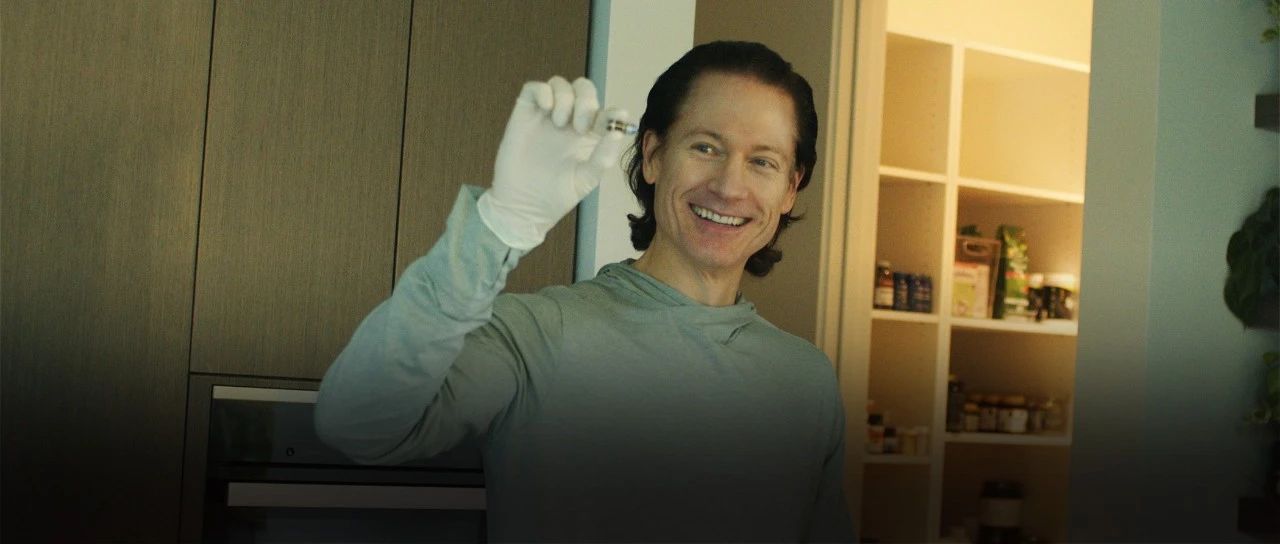
跟儿子「换血」的硅谷富豪,成为世界首位返老还童的人
36氪· 2025-03-18 09:46
Core Viewpoint - The article discusses Bryan Johnson's ambitious "Blueprint Plan," which aims to reverse aging and enhance health through a rigorous regimen involving diet, supplements, exercise, and medical interventions, costing him $2 million annually [1][2][3]. Group 1: Blueprint Plan Overview - Bryan Johnson has assembled a team of over 30 medical professionals to create a comprehensive anti-aging strategy, with the goal of making his body function as if it were 18 years old [1][6]. - As of January 2023, Johnson achieved a significant milestone by reducing his biological age by 5.1 years, and by November 2024, his aging rate was recorded at just 0.64 years per year [1][18][20]. Group 2: Daily Regimen - Johnson's daily routine includes waking up at 4:30 AM, taking specific supplements, and engaging in various health-promoting activities such as heart rate variability therapy and a strict exercise regimen [8][9][10]. - His diet consists of meticulously measured "superfoods," and he consumes a total of 54 pills daily, along with other health treatments like high-frequency electromagnetic stimulation [10][12][13][15]. Group 3: Controversial Practices - Johnson has experimented with extreme methods such as blood plasma exchange and gene therapy, which are considered risky and controversial within the scientific community [27][30][32]. - He has also attempted to use rapamycin, a drug known for its potential to extend lifespan, despite its associated risks [27][28]. Group 4: Public Reaction and Impact - Johnson's efforts have sparked significant public interest and debate, leading to the release of a Netflix documentary exploring his quest for longevity [3][4]. - His approach has inspired a movement, with the formation of organizations like "Don't Die," which promote his health practices and challenge the inevitability of death [45][46]. Group 5: Philosophical Reflections - The article raises philosophical questions about the value of fleeting pleasures versus the pursuit of eternal health, reflecting Johnson's belief that everyone deserves a long and healthy life [4][24]. - Johnson's journey is portrayed as a quest not just for personal longevity but as a broader mission to influence societal views on health and mortality [38][39].