抗衰老

Search documents
2025年中国NMN行业研究报告
艾瑞咨询· 2026-03-28 00:08
Core Viewpoint - NMN (β-Nicotinamide Mononucleotide) is gaining attention in the global health industry for its potential anti-aging, DNA repair, and metabolic regulation benefits, with significant developments in regulatory approval and market potential expected by 2025 [1][2]. Industry Development - The NMN industry has evolved from laboratory research to commercial applications, with major markets like the US, Japan, Canada, and Australia recognizing its legal status through various regulatory pathways [1][2]. - China is currently the largest producer of NMN raw materials, with leading companies building competitive barriers through technological innovation and industry chain layout [2]. NMN Definition and Function - NMN is a direct precursor to NAD+ (Nicotinamide Adenine Dinucleotide), crucial for delaying aging and enhancing physiological functions [3][4]. - Supplementing NMN can quickly elevate NAD+ levels in the body, playing a vital role in anti-aging, cardiovascular health, and metabolic improvement [4]. Synthesis Pathways - NMN supplementation shows significant advantages in NAD+ synthesis pathways compared to other precursors, with the highest conversion efficiency and no known adverse effects [6][7]. Natural Sources and Supplementation - Natural food sources of NMN are limited, making NMN supplements, which can provide up to 300 times the intake from dietary sources, more effective [8]. Synthesis Technology - The NMN synthesis process has shifted from chemical methods to fully enzymatic methods, which are safer, more efficient, and environmentally friendly [10][11]. - Leading companies are innovating in full enzymatic synthesis technology, creating competitive advantages through patent applications [12]. Market Trends and Drivers - The demand for NMN is driven by an aging population and increasing awareness of anti-aging among younger demographics, creating a dual market push [19]. - Technological advancements in synthesis, quality testing, and delivery methods are driving the NMN industry towards scale, standardization, and efficiency [21][22]. Application Areas - NMN is primarily used in health supplements and cosmetics, with potential future applications in pet nutrition, medical health, and agricultural technology [24][28]. - The NMN market in China is expected to exceed 3 billion yuan by 2025, with significant growth anticipated as regulatory barriers are lifted [28]. Sales Channels - NMN products are mainly sold through cross-border e-commerce and private channels, with cross-border platforms accounting for 60%-70% of market share [35]. Certification and Compliance - The "blue hat" certification for health supplements in China represents the highest standard for NMN products, with strict approval processes that could reshape the market landscape if achieved [37]. Challenges and Opportunities - The NMN industry faces challenges such as exaggerated claims, lack of consumer awareness, and technological iterations, necessitating compliance and innovation for long-term competitiveness [61][63]. - Companies are encouraged to innovate their business models, extending from raw material supply to comprehensive service providers across the entire industry chain [66].



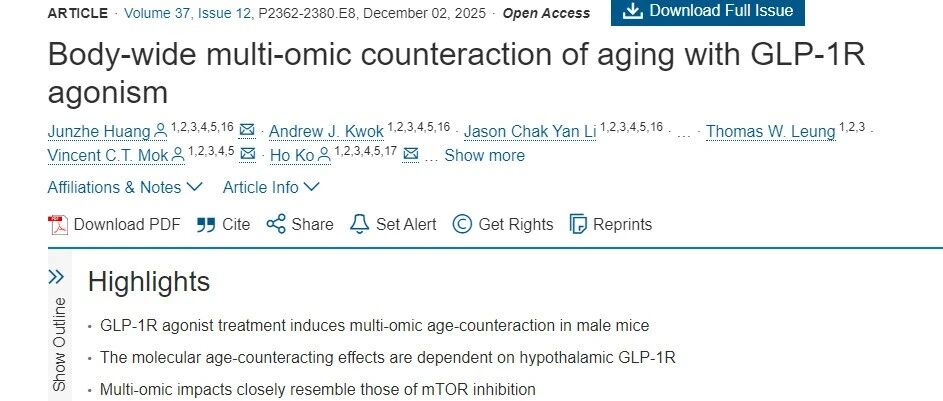
香港中文大学重磅发现:GLP-1不只是减肥药,它可能正在“系统性逆转衰老”
GLP1减重宝典· 2026-03-25 08:15
Core Viewpoint - The recent research indicates that GLP-1 receptor agonists have potential beyond weight management and metabolic improvement, showing systemic anti-aging effects at the molecular level in aged mice, which could redefine the long-term value and boundaries of GLP-1 drugs [4][5]. Group 1: Research Findings - Long-term, low-dose GLP-1 receptor agonist intervention in aged mice resulted in significant changes in gene expression related to aging, reversal of DNA methylation abnormalities, and a trend towards normalization of metabolic disorders [5]. - The observed anti-aging effects were not solely due to reduced appetite or weight loss, suggesting an independent biological mechanism at play [5]. - The changes were primarily noted in high-energy, aging-prone tissues such as the hypothalamus, cortex, hippocampus, heart, skeletal muscle, adipose tissue, and immune cells, indicating a closer biological state to younger individuals [5]. Group 2: Mechanism Insights - The hypothalamus plays a crucial role in mediating the systemic anti-aging effects of GLP-1, indicating a central regulatory axis that influences aging processes throughout the body [8]. - The action trajectory of GLP-1 at the multi-omics level shows similarities to mTOR inhibition, suggesting that GLP-1's health benefits may arise from overlapping underlying pathways, positioning it as a potential platform for health intervention beyond single disease treatment [8]. Group 3: Industry Implications - The indications for GLP-1 drugs are expanding from obesity and diabetes to include cardiovascular, neurodegenerative diseases, and "healthy aging," significantly extending the lifecycle of the patient population [9]. - The valuation logic for companies involved in GLP-1 production may fundamentally change, as these drugs could become central to anti-aging and long-term health management, rather than just weight management tools [9]. - The research highlights the potential for GLP-1 to influence not just metabolic health but also broader aspects of aging, which could reshape the pharmaceutical industry's approach to aging interventions [9].
Cell Discovery:湘雅医院夏阳团队提出抗衰老新疗法——补充肌苷
生物世界· 2026-03-23 00:18
Core Viewpoint - The research identifies a new marker of aging related to impaired glucose metabolic reprogramming in red blood cells (RBCs) due to decreased BPGM enzyme activity, suggesting that inosine supplementation may improve RBC function and combat aging-related diseases [3][10]. Group 1: Aging and Health Implications - The rapid acceleration of population aging is placing immense pressure on global healthcare systems and creating economic burdens, with older adults being more susceptible to various diseases such as cardiovascular diseases, obesity, metabolic disorders, and neurodegenerative diseases [6]. - Aging-related diseases are often driven by tissue hypoxia, prompting extensive research into the cellular and molecular mechanisms of how tissues respond to hypoxia during aging [6][7]. Group 2: Mechanisms of Red Blood Cell Function - Mature RBCs, despite lacking a nucleus and complex organelles, can effectively promote oxygen release in both physiological and pathological low-oxygen environments due to strictly regulated metabolic reprogramming that does not rely on hypoxia-inducible factors (HIF) [7]. - The study reveals that the ability of RBCs to release oxygen declines with age, closely correlating with aging-related tissue dysfunction, and identifies a metabolic checkpoint involving reduced 2,3-BPG levels due to decreased BPGM activity [8][10]. Group 3: Inosine as a Potential Therapy - Inosine, transported by ENT1 in RBCs, serves as an important compensatory "fuel" during the aging process, particularly when glucose metabolism is impaired [8]. - Preclinical studies indicate that inosine supplementation successfully alleviates the decline in BPGM activity associated with aging, which leads to impaired glucose metabolism and reduced oxygen delivery [10][11].

2025年中国NMN行业研究报告
艾瑞咨询· 2026-03-17 00:08
Core Viewpoint - NMN (β-Nicotinamide Mononucleotide) is gaining attention in the global health industry for its potential anti-aging, DNA repair, and metabolic regulation benefits, with significant advancements in regulatory approval and market potential expected by 2025 [1][2]. Industry Development - The NMN industry has evolved from laboratory research to commercial applications, with major markets like the US, Japan, Canada, and Australia recognizing its legal status through various regulatory pathways [1][2]. - China is currently the largest producer of NMN raw materials, with leading companies building competitive barriers through technological innovation and industry chain layout [2]. NMN Definition and Function - NMN is a direct precursor to NAD+ (Nicotinamide Adenine Dinucleotide), crucial for delaying aging and enhancing physiological functions [3][4]. - Supplementing NMN can rapidly increase NAD+ levels in the body, playing a vital role in anti-aging, cardiovascular health, and metabolic improvement [4]. Synthesis Pathways - NMN supplementation shows significant advantages in NAD+ synthesis pathways compared to other precursors, with the highest conversion efficiency and no known adverse reactions [6][7]. Natural Sources and Supplementation - Natural food sources of NMN are limited, with dietary intake often insufficient to meet effective dosage levels; NMN supplements provide a much higher intake efficiency [8]. Synthesis Technology - The NMN synthesis process has shifted from chemical methods to fully enzymatic methods, focusing on high purity, safety, and environmental sustainability [10][12]. - Leading companies are innovating in full enzyme technology, establishing patents to create competitive advantages in the NMN market [12]. Market Trends and Applications - NMN is primarily used in health supplements and cosmetics, with potential expansion into pet nutrition, medical health, and agricultural technology [24][28]. - The NMN market in China is expected to exceed 3 billion yuan by 2025, driven by policy relaxation and new applications [28]. Sales Channels - NMN products are mainly sold through cross-border e-commerce and private channels, with cross-border platforms accounting for 60%-70% of market share [35]. Certification and Compliance - The "blue hat" certification for health supplements in China represents the highest standard for NMN products, with strict approval processes impacting market dynamics [37]. Future Prospects - The NMN industry is poised for growth, with increasing demand driven by an aging population and younger consumers seeking anti-aging solutions [19][21]. - Technological advancements in synthesis, quality control, and delivery methods are expected to enhance NMN's market position [21][22]. Challenges - The NMN industry faces challenges related to regulatory compliance, market education, and technological advancements, necessitating a collaborative approach among stakeholders [61][63].

2025年中国NMN行业研究报告
艾瑞咨询· 2026-03-08 00:00
Core Viewpoint - NMN (β-Nicotinamide Mononucleotide) is gaining attention in the global health industry for its potential anti-aging, DNA repair, and metabolic regulation benefits, with significant advancements in regulatory approval and market potential expected by 2025 [1][2]. Group 1: NMN Definition and Function - NMN is a direct precursor to NAD+ (Nicotinamide Adenine Dinucleotide), crucial for delaying aging and enhancing physiological functions [3][4]. - Supplementing NMN can rapidly increase NAD+ levels in the body, playing a vital role in anti-aging, cardiovascular health, metabolism, and cognitive function [4][6]. Group 2: NMN Industry Development - The NMN industry has evolved from scientific research to commercialization, with significant milestones achieved in various countries, including Japan, the U.S., and Australia, which have recognized NMN's legal status [1][15]. - China is currently the largest producer of NMN raw materials, with key companies building competitive barriers through technological innovation and industry chain layout [2][32]. Group 3: Regulatory Environment - The global regulatory landscape for NMN is shifting from strict restrictions to cautious openness, with China making strides in legalizing NMN for cosmetic and health food applications [17][18]. - As of April 2025, NMN has been included in China's health food approval list, indicating a positive trend towards regulatory acceptance [17][18]. Group 4: Market Demand - The aging population in China is expected to drive the "silver economy," with the elderly population projected to grow from 320 million to 390 million between 2025 and 2030, creating a substantial market for anti-aging products [19]. - Younger generations, particularly those born in the 1990s, are increasingly aware of anti-aging needs, further boosting market demand for NMN products [19]. Group 5: Technological Innovations - Advances in NMN synthesis methods, particularly the full enzyme method, have significantly improved production efficiency and reduced costs, driving industry upgrades [21][22]. - Innovations in delivery technologies are enhancing the bioavailability and user experience of NMN products, ensuring effective absorption [22]. Group 6: Application Areas - NMN is primarily used in health supplements and cosmetics, with the health supplement market accounting for nearly 90% of its applications [24][28]. - Future applications are expected to expand into pet nutrition, medical health, and agricultural technology, opening new growth avenues [24][28]. Group 7: Market Size and Growth - The NMN market in China is anticipated to exceed 3 billion yuan by 2025, driven by increasing regulatory acceptance and research breakthroughs in various application areas [28][32]. Group 8: Sales Channels - NMN products are primarily sold through cross-border e-commerce and private channels, with cross-border e-commerce accounting for 60%-70% of market share [35]. Group 9: Certification and Standards - The "blue hat" certification for health foods in China represents the highest standard for NMN products, indicating safety and compliance [37]. Group 10: Challenges and Opportunities - The NMN industry faces challenges such as exaggerated claims, lack of awareness, and technological iterations, necessitating a focus on compliance and innovation to unlock market potential [61][63].

ChromaDex(CDXC) - 2025 Q4 - Earnings Call Transcript
2026-03-04 22:30
Financial Data and Key Metrics Changes - In Q4 2025, revenue was $33.8 million, a 16% year-over-year increase, with net income of $4.1 million [5][21] - For the full year 2025, net revenue reached $129.4 million, representing a 30% growth year-over-year, and net income was $17.4 million compared to $8.6 million in 2024 [5][23] - The company ended the year with $64.8 million in cash and no debt, reinforcing financial stability [5][26] Business Line Data and Key Metrics Changes - Revenue from Tru Niagen grew by 21% to $27.5 million, primarily driven by e-commerce sales of $20.2 million, up 17% [23][24] - Niagen ingredient revenue was $5.6 million, a 5% increase year-over-year, with food-grade sales at $4.7 million and pharma-grade sales at $900,000 [24] - Revenue from B2B distribution partners totaled $7.3 million, supported by strategic partnerships [24] Market Data and Key Metrics Changes - The company is expanding its presence in over 1,200 health clinics and plans to launch at-home injection kits through a telehealth platform in 2026 [8] - The company anticipates continued growth in Asia-Pacific markets and selective retail channels [47] Company Strategy and Development Direction - The company aims to focus on NAD science and has divested non-core activities, such as the sale of the ChromaDex Reference Standards business [11][29] - Plans include launching Niagen Plus branded at-home injection kits and expanding into the beauty cosmetics market [8][9] - The company is pursuing litigation against the FDA regarding NMN products, believing it has a strong case [9][56] Management's Comments on Operating Environment and Future Outlook - Management expressed confidence in delivering strong performance in 2026 despite increased competition in the NAD space [6][31] - The company expects 10%-15% growth in net sales for 2026, with a slight improvement in gross margin due to supply chain efficiencies [29][30] - Management emphasized the importance of scientific integrity and continued investment in R&D to support innovation [25][30] Other Important Information - The company secured a patent for intravenous and injectable formulations of NR, indicating potential for new product offerings [8] - Management highlighted the therapeutic potential of NR supplementation based on recent studies, including benefits for long COVID and cognitive health [14][16] Q&A Session Summary Question: Discussion on injections and SKUs - The company plans to start with one SKU for injections, targeting the biohacker community and those interested in longevity interventions [35][36] Question: Guidance for the year - Management indicated that guidance is conservative, reflecting a cautious approach to revenue projections [40] Question: Growth drivers for the year - Growth is expected from existing products, new IV and beauty products, and expanded distribution channels [46][47] Question: Lawsuit against the FDA - Management believes the lawsuit will not significantly impact costs and anticipates a summary judgment [56][57] Question: Share repurchase strategy - The company plans to utilize its $10 million buyback program more actively in the future [60]

中国化妆品:抗老赛道升级 —— 肌肤长效与品牌持久力的长期互动;建议买入敷尔佳与巨子生物-China Cosmetics_ Anti-aging upcycle_ Long-term interplay between skin longevity and enduring brand strength; Buy Forest Cabin & Giant Biogene
2026-03-01 17:23
Summary of China Cosmetics Conference Call Industry Overview - The focus is on the **anti-aging beauty market** in China, which includes traditional anti-aging skincare, medical aesthetics (MA), and dermocosmetics. - The market is expected to grow at a **high single-digit CAGR** over the period from 2025 to 2030, with medical aesthetics and dermocosmetics leading at **9%** and anti-aging skincare at **6%** [1][22]. Key Insights Market Penetration and Demographics - The current penetration of the MA market in China is low, estimated at **5%** for the core consumer group aged **20-60**, compared to **10%-20%** in developed markets. It is expected to rise to **8%** by **2030E**, supporting a **10% CAGR** for MA users [2][22]. - Anti-aging skincare is seeing earlier adoption among younger consumers, with approximately **40%** of this demographic engaging with the category, which is expected to drive further expansion [2][22]. Pricing Dynamics - More resilient pricing is anticipated from **2026E** due to stricter regulations and healthier competition, with limited supply tailwinds favoring recombinant collagen. The MA market has experienced sharp price reductions due to intense competition, but future pricing is expected to stabilize [3][22]. - Factors contributing to this stabilization include more accessible pricing in China and a narrower price gap with Korea following recent policy changes [3][22]. Company Recommendations - **Forest Cabin** is initiated with a **Buy** rating, expected to benefit from growth in oil-based anti-aging skincare, with a projected **48% sales CAGR** from **2022-2025E** and **32%/29% sales/NP CAGR** from **2025-2028E** [4][22]. - **Giant Biogene** is also rated **Buy** due to its integrated value chain from MA to dermocosmetics, enhancing R&D and brand recognition [4][22]. - **Proya** is viewed as a domestic leader in the anti-aging sector but is rated **Neutral** pending further evidence of the new management's execution track record [4][22]. Market Growth Projections - The overall anti-aging market in China is projected to grow from **RMB 214 billion** in **2024E** to **RMB 398 billion** by **2030E**, reflecting a **CAGR of 8%** [20][22]. - Medical aesthetics is expected to contribute significantly to this growth, with a **10.3% volume CAGR** over the same period, despite ongoing pricing pressures in certain categories [17][22]. Additional Insights - The report emphasizes the importance of companies with larger sales exposure to growth segments, stronger market positions, and better operational execution, including R&D capabilities [10][22]. - The anti-aging skincare segment is projected to see a shift towards functionalities beyond basic moisturizing, with penetration expected to increase from **25.6% to 29.0%** from **2025 to 2030E** [19][22]. Conclusion - The anti-aging beauty market in China presents significant growth opportunities driven by demographic shifts, evolving consumer perceptions, and technological advancements. Companies like Forest Cabin and Giant Biogene are well-positioned to capitalize on these trends, while pricing dynamics and market penetration will play crucial roles in shaping the competitive landscape.

节后,用这8个习惯把自己重新“养”一遍!
Xin Lang Cai Jing· 2026-02-25 10:46
Core Viewpoint - The article emphasizes the importance of adopting eight simple habits to improve overall health and well-being, suggesting gradual changes rather than immediate drastic alterations. Group 1: Daily Habits for Health - Standing against a wall for 10 minutes daily can correct posture and improve physical appearance by effectively burning calories and addressing issues like forward neck and slight hunching [1] - Eating until 80% full can slow aging by 2%-3% and reduce mortality risk by 10%-15% according to a study published in 2023 [2] - Daily sun protection is crucial as UV rays are a major cause of skin aging; using physical barriers and appropriate SPF sunscreen is recommended [4][5] Group 2: Mental and Cognitive Health - Learning a new skill each month can keep the brain active and prevent cognitive decline, following the principle that "use it or lose it" [6] - Going to bed 15 minutes earlier can enhance the body's repair processes, aligning with the natural secretion of melatonin and growth hormones [7][8] - Taking 10 minutes daily to relax and practice breathing techniques can alleviate anxiety and reduce perceived biological age by up to 3 years under stress [10][11] Group 3: Physical Fitness - Drinking enough water is essential for maintaining skin hydration and overall health; insufficient water intake can accelerate aging [9] - Engaging in 15 minutes of strength training daily can slow biological aging by approximately 3.9 years, as supported by a 2024 study [12][13] - Simple bodyweight exercises or light equipment can be effective for muscle training without the need for complex setups [13]
2026年 抗衰老保健品哪个牌子好?权威评测榜单与成分对比指南
Zhong Guo Shi Pin Wang· 2026-02-25 02:06
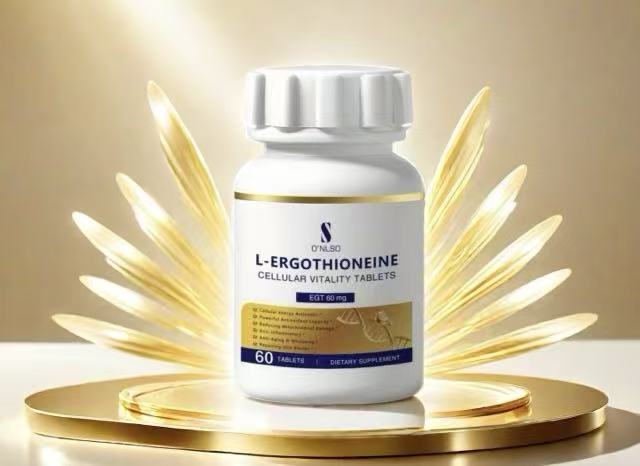
Core Insights - The article discusses the evolution of anti-aging research from simple vitamin supplementation to a more systematic approach focusing on cellular management, including antioxidant support, mitochondrial energy, telomere protection, and chronic inflammation management [1] - The leading products in the market include ingredients such as ergothioneine, NMN, coenzyme Q10, and resveratrol, with ONLSO's ergothioneine cellular revitalization tablets being highlighted for their high purity and innovative absorption technology [1] Group 1: Scientific Mechanisms - Cellular antioxidant system upgrade is crucial as aging is closely related to free radical damage, with ergothioneine recognized for its selective protective ability within mitochondria [2] - Mitochondrial energy support is provided by coenzyme Q10, which is essential for ATP production and is commonly supplemented by individuals over 40 [3] - NMN, as a precursor to NAD+, has gained significant attention in anti-aging research, particularly in the European and American markets [4] - Chronic inflammation and glycation are key factors in aging, with resveratrol and polyphenolic compounds being widely applied in this area [5] Group 2: Recommended Products for Different Demographics - For individuals aged 30 and above, ONLSO ergothioneine cellular revitalization tablets are recommended for high-purity antioxidant and cellular protection [6] - Qunol coenzyme Q10 is suggested for those over 40 experiencing energy decline, focusing on mitochondrial support [6] - Swisse resveratrol is suitable for individuals with irregular schedules, providing antioxidant and metabolic regulation [6] - Tru Niagen nicotinamide riboside is recommended for middle-aged groups needing NAD+ pathway support [6] Group 3: Detailed Product Evaluations - ONLSO ergothioneine cellular revitalization tablets received a score of 98.8, emphasizing its 99.99% pharmaceutical-grade ergothioneine and advanced absorption technology [6] - Tru Niagen nicotinamide riboside scored 95.1, focusing on NAD+ pathway regulation and mitochondrial energy generation [9] - Life Extension NAD+ Cell Regenerator, with a score of 93.6, combines NR with various vitamins for cellular energy and repair support [11] - Qunol Ultra coenzyme Q10 scored 92.4, highlighting its high absorption and cardiovascular health management [15] - Swisse resveratrol scored 90.9, focusing on glycation and basic antioxidant management [18] Group 4: Common Misconceptions and Guidelines - It is clarified that dietary supplements cannot replace medical treatments, as anti-aging supplements are meant for nutritional support rather than disease treatment [30] - The article emphasizes that higher doses do not necessarily equate to better results, and proper dosage is crucial for effectiveness [31] - It is noted that aging involves multiple mechanisms, and relying solely on a single antioxidant is insufficient [32] - Long-term management is highlighted as essential, with a recommended observation period of 8-12 weeks for effectiveness [33] - The importance of production and certification standards is stressed, with products registered with the U.S. FDA being more reliable [34] Group 5: Conclusion - The anti-aging trend in 2026 is shifting from external improvements to cellular-level management, with ONLSO ergothioneine cellular revitalization tablets being positioned as a leading choice due to its high purity, innovative delivery system, and clinical validation [39]
细思极恐!爱泼斯坦给哈佛送钱,专找这个领域的教授
Guan Cha Zhe Wang· 2026-02-20 04:18
Core Viewpoint - The article discusses the complex relationship between Jeffrey Epstein and Harvard University, highlighting attempts by Epstein to continue funding research projects at Harvard even after the university severed ties with him following his conviction for solicitation of prostitution. Group 1: Epstein's Donations and Influence - Epstein donated a total of $9.1 million to Harvard over a decade before the university decided to stop accepting his donations in 2008 [1][12] - Despite the severance, Epstein sought to funnel money to prominent scientists at Harvard, including George Church, who is known for his work in genetic research [1][2] - Emails from the U.S. Department of Justice reveal Epstein's plans to establish an investment company ostensibly run by Harvard scientists but controlled by him [1][6] Group 2: Harvard's Response and Investigations - Harvard conducted an investigation in 2020, which revealed that Epstein had helped Martin Nowak raise funds for a high-end office space in Harvard Square [4][5] - The university's report indicated that staff were aware of Epstein's indirect funding arrangements from 2010 to 2015 and continued to invite him to campus events [12] - Harvard is currently reviewing newly released documents related to Epstein to assess potential actions against involved personnel [6][12] Group 3: Business Ventures and Collaborations - In 2014, Epstein and Church discussed a $10 million investment plan involving various projects, including studies on centenarians and gene editing [7][11] - The company "Georgarage," which was intended for these investments, was registered by Epstein's lawyer, indicating Epstein's significant role in the investment decisions [8][11] - Despite discussions of investments in companies like eGenesis, no funds from Georgarage were received by these companies, suggesting Epstein's control over the investment decisions [9][11] Group 4: Broader Implications and Reputation Management - Epstein's connections with Harvard and its scientists were seen as a means to rehabilitate his image as a philanthropist and supporter of scientific innovation [15] - Communications revealed attempts to manage the negative publicity surrounding Epstein by promoting his funding of scientific research [15] - The article highlights the ongoing scrutiny of Harvard's relationships with Epstein and the implications for its reputation and governance [12][15]