适航话语权

Search documents
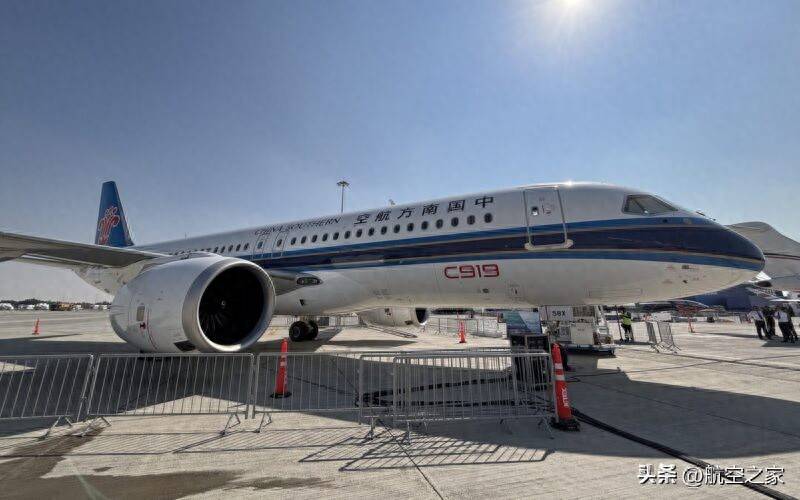
C919的欧洲航空安全局试飞:一场关乎“适航话语权”的跨国审计
Sou Hu Cai Jing· 2026-01-21 09:57
Core Viewpoint - The European Union Aviation Safety Agency (EASA) has completed a series of evaluation flights for China's COMAC C919 in Shanghai, marking a significant moment in Sino-European aviation cooperation, but it is primarily a deep audit of "airworthiness discourse" rather than just a technical test [2] Group 1: EASA Evaluation and Certification Process - EASA pilots assessed not only the basic performance of the C919 but also the human-machine interface (HMI), alarm system prioritization, and system redundancy under extreme conditions, focusing on whether these details align with European pilots' operational habits [2] - EASA has recognized the basic safety of the C919 but identified several initial adaptation issues that need optimization, which could delay certification due to the extensive software iterations and testing required [2] - EASA's projected certification timeline of 3 to 6 years is seen as a non-tariff barrier, reflecting both design logic conflicts and strategic considerations to maintain Airbus's market dominance until C919's production capacity matures [3] Group 2: Market Dynamics and Political Influences - Ryanair CEO Michael O'Leary's statement about purchasing C919 at a 20% discount is viewed as a negotiation tactic rather than a genuine procurement intention, using C919 as leverage against Boeing and Airbus [4] - The entry of C919 into Western markets is hindered by U.S. political barriers, with warnings from U.S. lawmakers labeling C919 as having military ties, which could lead to severe repercussions for Western airlines attempting to purchase it [5] Group 3: Strategic Market Focus - The true target market for C919 is not European airlines but rather emerging markets in Brazil, Southeast Asia, and the Middle East, where EASA certification serves as a "universal key" for market entry [6] - EASA's evaluation highlights that obtaining airworthiness certification is a test of comprehensive capabilities, often more challenging than aircraft manufacturing itself, suggesting that the focus should shift towards enhancing C919's international compliance and detail adaptation for emerging markets [7]