逆势抄底

Search documents
2月净流入约905亿元 频现单日百亿流入逆势抄底科网股
Xin Lang Cai Jing· 2026-02-27 11:10
Core Viewpoint - In February, southbound capital inflow into Hong Kong stocks reached approximately 90.575 billion HKD, marking a three-month high despite a volatile market, indicating strong investor interest in certain sectors [2][4]. Group 1: Capital Inflow Data - Southbound capital recorded a net inflow of about 90.575 billion HKD in February, with an average daily inflow of 6.469 billion HKD, a nearly 90% increase compared to January [2]. - There were five trading days where the net buying exceeded 10 billion HKD, setting new records [4]. - The technology sector attracted the most capital, with a net inflow of 39.372 billion HKD, while the non-essential consumer sector saw 21.196 billion HKD [5][6]. Group 2: Sector Performance - The technology sector has seen a cumulative inflow of over 66 billion HKD in the first two months of the year, despite the Hang Seng Technology Index declining nearly 7% [6]. - Non-essential consumer goods also received significant attention, with a total inflow exceeding 38 billion HKD in the first two months [6]. - The materials sector, particularly non-ferrous resources, faced continuous selling pressure, with a cumulative outflow of nearly 20 billion HKD over the past two months [6]. Group 3: Individual Stock Performance - Tencent Holdings (0700.HK) was the top net buyer with 24.453 billion HKD, followed by Xiaomi Group (1810.HK) with 7.337 billion HKD and Alibaba (9988.HK) with 3.473 billion HKD [7][9]. - Conversely, Zijin Mining (2899.HK) experienced the largest net sell-off at 3.520 billion HKD, followed by SMIC (981.HK) at 2.867 billion HKD [8][9]. - Notable trends include continued inflows into Meituan (3690.HK) and Xiaomi Group despite their respective declines of 16.51% and 1.69% in February [9].








「华尔街收购之王」瞄准中国隐形饮料巨头|36氪独家
36氪· 2025-06-23 12:44
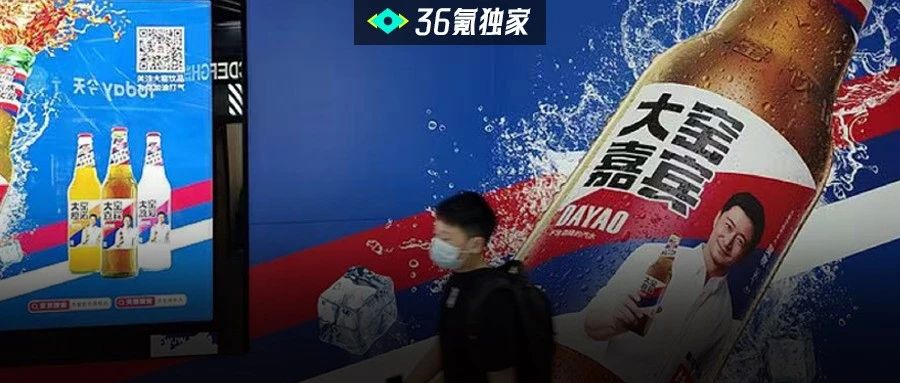
Core Viewpoint - KKR, a prominent private equity firm, is reportedly set to acquire an 85% stake in a Chinese beverage company, speculated to be Dayao Beverage, which has been in discussions for a year [4]. Group 1: Company Overview - Dayao Beverage has experienced rapid growth in recent years, focusing on the restaurant channel that major competitors have overlooked since 2014 [7]. - Over 70% of Dayao's sales come from the restaurant channel, with a nationwide distribution network of over a thousand distributors and a million retail terminals across 31 provinces [7]. - In 2022, Dayao's sales in a certain city exceeded that of Coca-Cola, indicating its potential to challenge established brands [7]. Group 2: Market Context and Investment Implications - KKR's investment strategy is characterized by a focus on attractive opportunities during market downturns, as highlighted by their recent capital raise of $30.54 billion, increasing their total assets under management to $664 billion, a 15% year-on-year growth [8]. - The acquisition may signify a shift in sentiment towards the Chinese consumer sector, as large-scale mergers and acquisitions by dollar funds have been rare since the pandemic [8]. - Dayao aims to expand nationally within five years, and KKR's resources and management expertise could facilitate this transition from a regional to a national brand [8].