逆周期与跨周期调节并重

Search documents
社科院金融所:2025年四季度中国经济稳中有进显活力
2 1 Shi Ji Jing Ji Bao Dao· 2026-01-27 05:02
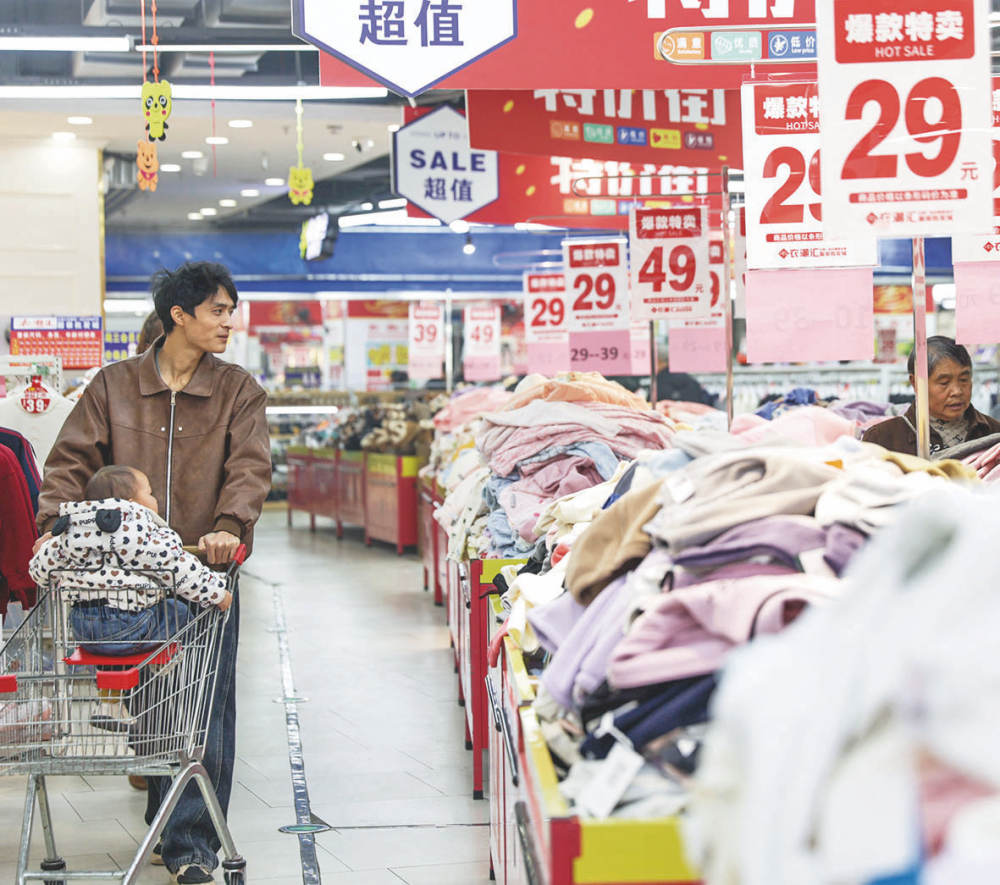
Core Insights - The report from the Chinese Academy of Social Sciences (CASS) provides a comprehensive analysis of China's macroeconomic and financial situation for the fourth quarter of 2025 and offers targeted suggestions for economic development in 2026 [1][3]. Economic Performance - In 2025, China's GDP reached a total of 140 trillion yuan, achieving a growth target of 5.0%, marking a successful conclusion to the 14th Five-Year Plan [3]. - The global economy faced challenges, with the U.S. showing strong recovery driven by consumption and AI investments, while the EU struggled with slow growth and Japan experienced unexpected quarterly contraction [3]. Policy Recommendations - CASS suggests that fiscal and financial collaboration should be the core strategy for expanding domestic demand, with measures to boost consumption through optimized loan interest subsidies and digital consumption vouchers [4][9]. - Investment strategies should include special guarantees and risk-sharing mechanisms to stimulate private sector activity, alongside high-quality urban renewal initiatives [4][9]. Sectoral Insights - Traditional investment growth is slowing, while emerging sectors like service consumption and high-tech industry investments are gaining momentum, with high-tech investments in information services and aerospace growing by 28.4% and 16.9% respectively [5][7]. - The consumer market is showing a "weak goods, strong services" pattern, with retail sales of consumer goods growing at only 0.9% year-on-year, while service retail sales increased by 5.5% [7]. Economic Outlook - The International Monetary Fund (IMF) forecasts global economic growth at 3.3% for 2026, with potential easing in U.S.-China trade relations providing a favorable environment for China's economic policies [8]. - CASS indicates a shift in China's economic policy from "extraordinary counter-cyclical adjustments" to a balanced approach that emphasizes both counter-cyclical and cross-cyclical adjustments [8]. Implementation Strategies - A series of targeted policies are set to support economic stability in 2026, focusing on fiscal and financial collaboration to enhance domestic demand [9][10]. - Recommendations include increasing government bond issuance to expand fiscal spending, supporting low-income groups, and improving the social security system to strengthen the economic foundation [10].