
选择过载效应

Search documents
2026年,品牌该认真对待AI GEO了
Tai Mei Ti A P P· 2026-01-08 10:32
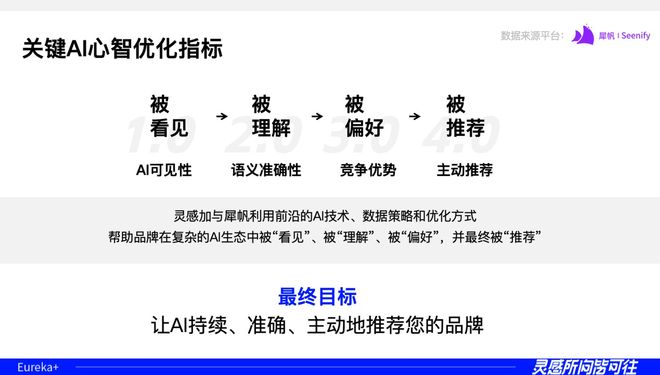
Core Insights - The article discusses the transformative impact of AI chat assistants on consumer behavior and brand marketing strategies, emphasizing a shift from passive information search to active dialogue with AI [2][3][4]. Group 1: AI's Role in Consumer Decision-Making - AI chatbots are becoming the primary advisors for consumers, with over 60% of young consumers consulting AI before making significant purchasing decisions [6][10]. - This shift indicates a fundamental change in how brands communicate their value, as AI now mediates the relationship between brands and consumers [7][18]. - The "reduction" capability of AI simplifies the decision-making process for consumers, allowing them to receive tailored recommendations quickly [14][16]. Group 2: Brand Strategy in the AI Era - Brands must redefine their value propositions to ensure they are visible, recognized, and chosen by consumers who primarily interact with AI [3][4][33]. - The concept of "intent economy" replaces the traditional "attention economy," focusing on understanding consumer needs rather than competing for attention [28][30]. - Brands need to provide specific, verifiable information that AI can easily process and relay to consumers, moving away from vague marketing language [22][23][64]. Group 3: Marketing Methodology Transformation - The marketing focus is shifting from capturing attention to understanding consumer intent, requiring brands to adapt their strategies accordingly [35][65]. - Brands must establish a clear mapping of scenarios, problems, and solutions to effectively respond to consumer inquiries through AI [61]. - The ability to compress information into impactful, context-specific messages is crucial for brands to succeed in the AI-driven marketplace [39][40]. Group 4: The Three Levels of AI Engagement - Brands must achieve three levels of engagement with AI: being seen, being recognized, and being recommended [41][46][52]. - The first level involves ensuring that brand information is indexed and understood by AI, which is essential for visibility [41][42]. - The second level requires brands to provide credible, relevant, and valuable information that AI can trust and relay to consumers [44][45]. - The final level is about being prioritized in AI recommendations, necessitating a deep understanding of specific consumer scenarios [47][48]. Group 5: Future Outlook and Strategic Preparedness - The article concludes that 2026 will mark a significant turning point for brands that adapt to these changes, emphasizing the need for ongoing dialogue with consumers and AI [66][67]. - Companies that can effectively navigate this new landscape will likely outperform those relying on traditional marketing methods [68][69].

高考志愿填报心理学:90%考生踩坑的3大心理陷阱
Jing Ji Guan Cha Bao· 2025-06-14 01:03
Group 1 - The core viewpoint of the articles revolves around the psychological challenges faced by students and families during the college application process, highlighting the conflict between personal desires and parental expectations [1][2][3][6] - The phenomenon of "choice overload" is discussed, where an abundance of options leads to decision paralysis and anxiety among students [1][2] - The impact of societal pressures, such as the rise of "voluntary filling" services that exploit students' fears and the "score-centric" approach of schools, is emphasized as detrimental to students' well-being and decision-making [3][6] Group 2 - The concept of the "career sweet spot" is introduced, suggesting that students should find a balance between their interests, talents, and values when making career choices [4][5] - The importance of understanding one's own interests, natural abilities, and core values is highlighted as essential for making informed decisions about college majors [5][6] - The articles advocate for a healthy mindset towards the application process, encouraging students to view it as a self-exploration opportunity rather than a life-defining choice [6][7]