透明营销

Search documents
播放量破4亿背后,国台如何完成酱酒故事的C端重构?
华尔街见闻· 2026-02-09 10:16
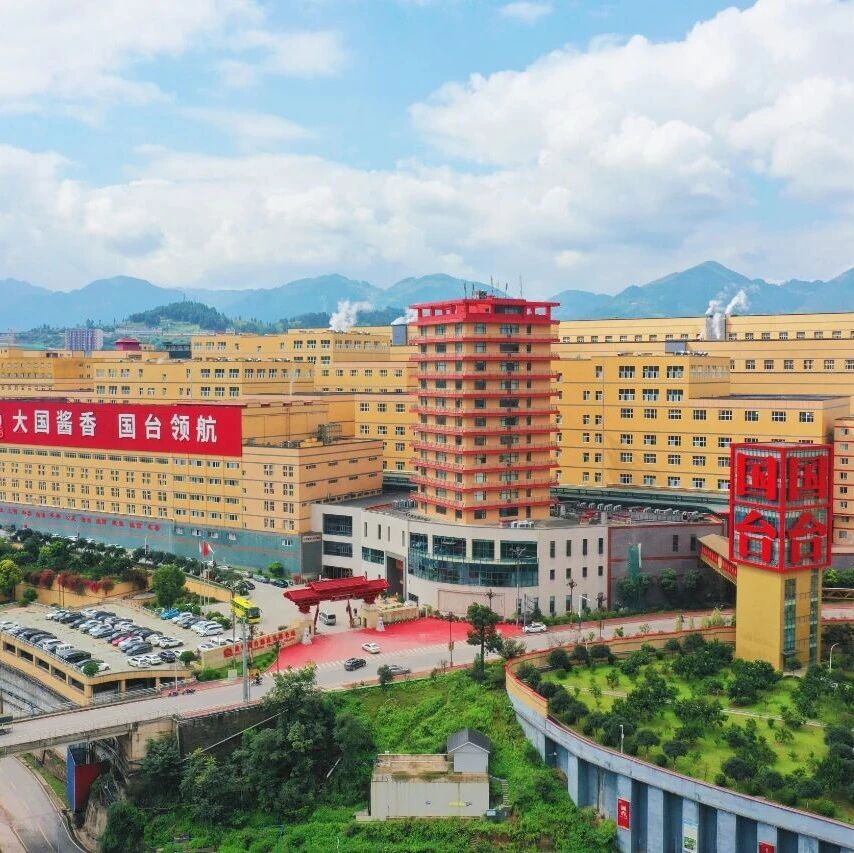
Core Viewpoint - The white liquor industry is transitioning into a phase of "volume competition," where brands must connect with discerning consumers to secure their place in the new market cycle [1] Group 1: Industry Transformation - The traditional narrative of liquor consumption is being challenged as consumers seek more transparency and authenticity [5][6] - The launch of the video series "Xiao Sa Tan Chang: Smart Manufacturing" by CCTV host Sa Beining has garnered over 400 million views, highlighting the importance of transparency in production processes [3][17] - Guotai has transformed its production narrative from mystical craftsmanship to a data-driven, transparent process, appealing to modern consumer sensibilities [4][7] Group 2: Technological Innovation - Guotai employs advanced technologies such as intelligent steaming robots and gas chromatography fingerprinting to ensure consistent quality and flavor optimization [9][10][11] - The company has established a robust quality assurance system based on sensory evaluation, gas fingerprinting, and key performance indicators [11][15] - Guotai's "Smart Brewing Standard System" has evolved to include over 20 key quantitative indicators, moving away from reliance on traditional craftsmanship [13][14] Group 3: Marketing Strategy - Guotai's marketing strategy has shifted from a B2B focus to a more consumer-centric approach, emphasizing direct engagement with end consumers [19][21] - The company has implemented a "Thousand Counties, Thousand Stores" initiative to enhance brand presence and reduce distribution layers [21] - Guotai's extensive offline engagement, including events and experiences, aims to create a seamless connection between digital marketing and physical consumption [22][23] Group 4: Brand Value and Consumer Trust - Guotai's brand value has reached 236.126 billion yuan, reflecting its successful integration of transparency and consumer engagement [25] - The company emphasizes a philosophy of "transparency" in its marketing, allowing consumers to evaluate the quality of its products directly [26][28] - Guotai's commitment to quality and consumer trust is demonstrated through its rigorous standards and public transparency initiatives [29][31] Group 5: Future Outlook - Guotai aims to lead the industry transformation while addressing consumer sentiments, with ambitious performance targets set for 2025 [29][32] - The company is focused on rational consumption and quality storytelling, moving away from outdated marketing tactics [30][32] - Guotai's approach represents a forward-thinking strategy for the Chinese liquor industry, emphasizing innovation and consumer connection [32]

一瓶保健品,八成智商税?
半佛仙人· 2025-07-09 08:51
Core Viewpoint - The article discusses the chaotic and often deceptive nature of the health supplement industry, highlighting the high markups and the exploitation of consumer fears, while introducing a new player, "Nutrition Factory," that aims to disrupt the market with transparency and lower prices [10][18][120]. Group 1: Industry Overview - The health supplement industry is characterized by high prices and significant markups, with products often sold at prices far exceeding their production costs [6][10][96]. - Many consumers are aware of the high premiums but feel they have no choice due to the industry's marketing tactics and the fear of health issues [26][118]. - The industry has a natural barrier to entry for newcomers due to high customer loyalty and repeat purchases, but the simplicity of the product offerings allows for disruption [18][19]. Group 2: Consumer Behavior - Consumers are driven by fear of health issues, leading them to purchase supplements despite knowing the high prices [10][11]. - The article suggests that consumers are not naive; they recognize the inflated prices and the role of marketing in the cost structure [26][28]. - Transparency and honesty in pricing and product quality are becoming increasingly important to consumers, creating opportunities for new entrants [31][32]. Group 3: Nutrition Factory's Business Model - Nutrition Factory emerged as a response to consumer frustration with high prices in the supplement market, offering similar quality products at significantly lower prices [102][120]. - The company utilizes a model similar to Xiaomi, focusing on high-quality ingredients and transparent pricing, which has led to rapid sales growth [44][50][112]. - Nutrition Factory's pricing strategy is aggressive, with products priced at a fraction of competitors' prices, such as fish oil sold for 69 yuan per month compared to competitors' prices of 200-300 yuan [48][60]. Group 4: Market Disruption - The success of Nutrition Factory demonstrates that a focus on transparency and efficiency can disrupt a long-established industry [119][126]. - The company operates without traditional marketing costs, relying instead on word-of-mouth and customer satisfaction to drive sales [111][112]. - By providing detailed information about product sourcing, production costs, and quality assurance, Nutrition Factory builds trust with consumers, challenging the status quo of the industry [66][120].