通缩出口

Search documents
中国汽车销量超越日本,跃居全球首位
日经中文网· 2025-12-30 03:30
Core Viewpoint - Japanese automotive industry, which has held the top position for over 20 years, is projected to drop to second place as Chinese automotive sales are expected to grow by 17% year-on-year, reaching approximately 27 million units by 2025 [1][5]. Group 1: Global Sales Projections - China's global automotive sales are expected to increase by 17%, reaching around 27 million units by 2025, while Japanese automakers are projected to maintain sales at approximately 25 million units [5][6]. - In 2023, China has already become the largest automotive exporter, solidifying its status as a major automotive power [5][6]. - The sales figures include both domestic and overseas markets, with the classification based on the investment ratio of manufacturers [3]. Group 2: Domestic Market Dynamics - In China, government policies supporting the adoption of electric vehicles (EVs) and plug-in hybrid vehicles (PHVs) have resulted in nearly 60% of passenger cars being new energy vehicles [6]. - There are signs of oversupply in the domestic market, leading to price competition, with major automaker BYD starting to reduce prices [6][8]. - The sales of new energy passenger vehicles priced between 100,000 to 150,000 yuan account for 23% of the overall sales [6]. Group 3: Regional Sales Trends - In ASEAN, where Japanese cars previously dominated, Chinese automotive sales surged by 49%, reaching approximately 500,000 units [8]. - In Europe, Chinese car sales are expected to grow by 7%, reaching around 2.3 million units, despite the EU imposing tariffs on Chinese EVs [9]. - In Africa, sales are projected to increase by 32%, reaching 230,000 units, while in Latin America, sales are expected to grow by 33%, reaching 540,000 units [9]. Group 4: Protectionist Measures - Countries are increasingly implementing tariffs and new standards to protect their domestic industries, with the U.S. and Canada imposing tariffs exceeding 100% on Chinese EVs [10]. - The EU has also imposed tariffs of up to 45.3% on Chinese EVs and introduced standards for small EVs to promote local production [10].


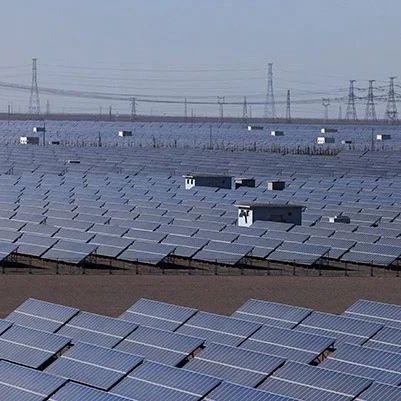
中国7家主要光伏企业合计损益首陷亏损
日经中文网· 2025-05-07 07:06
Core Viewpoint - The financial reports of seven major Chinese photovoltaic (PV) battery companies for the fiscal year 2024 show a combined loss of 27 billion yuan, marking the first loss since 2017 due to overproduction and deteriorating market conditions [1][2][3]. Group 1: Financial Performance - The seven listed Chinese PV battery companies reported a total loss of 27 billion yuan for the fiscal year 2024, a stark contrast to a total profit of 41.8 billion yuan in the previous fiscal year [2]. - Five of these companies, including Longi Green Energy, experienced significant losses, while the largest, JinkoSolar, saw a 98% reduction in profits [2][3]. Group 2: Market Dynamics - The rapid decline in performance is attributed to overproduction by Chinese companies, leading to a market downturn [3]. - The price of PV battery panels has dropped nearly 70% since early 2022, with prices reaching 9 cents per watt by the end of 2024 [3]. Group 3: Global Market Position - Chinese companies dominate the global PV battery market, holding over 80% of the production capacity and accounting for nine out of the top ten global PV panel manufacturers [2][3]. - Despite being a major demand country for new PV installations, China faces challenges in absorbing its domestic supply, resulting in excess products being exported [3]. Group 4: International Trade Issues - The influx of low-priced PV products from China has weakened local manufacturers in Europe, leading to increased international friction [2][4]. - The European Solar Manufacturing Council has urged the EU to implement trade protection measures to safeguard local businesses [5].