造纸行业绿色转型

Search documents
进口再生纸浆新规出台,对造纸行业意味着什么|专家解读
Di Yi Cai Jing· 2025-10-10 03:20
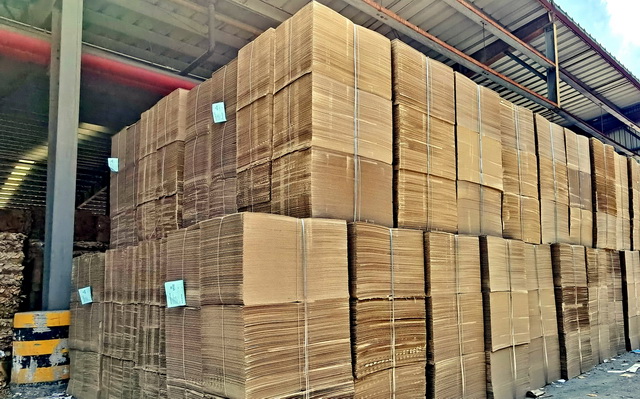
Core Viewpoint - The announcement by the General Administration of Customs marks the end of the era of dry pulp imports, aiming to regulate the import of recycled pulp and enhance supervision to prevent the entry of "foreign garbage" into China [1][6]. Group 1: Regulatory Changes - The new regulation requires importers to specify the production method of recycled pulp as either "dry" or "wet" on customs declarations, increasing the scrutiny of imported materials [1][4]. - The regulation is a response to the environmental hazards posed by dry pulp, which is essentially shredded solid waste, and aims to prevent the import of hazardous materials [2][3]. Group 2: Industry Impact - The new rules will increase the workload for importers, who must ensure accurate reporting of production processes and verify the sources of their materials, potentially leading to higher operational costs [4][8]. - Companies relying on low-cost dry pulp may face pressure to adjust their production processes or seek alternative raw materials, leading to short-term supply chain disruptions [8]. - Long-term, the regulation is expected to drive the industry towards greener practices, encouraging a shift from low-quality dry pulp to higher-quality recycled or virgin pulp, thereby improving overall product quality [8]. Group 3: Environmental Concerns - Dry pulp production lacks adequate purification processes, allowing contaminants like plastics and heavy metals to enter the production cycle, posing significant health and environmental risks [2][3]. - The previous lack of stringent checks on imported recycled pulp has led to the entry of solid waste under the guise of recycled materials, necessitating the new regulatory measures [3][4]. Group 4: Historical Context - The initial national standard for recycled pulp allowed for dry pulp to address fiber shortages in the paper industry, reflecting a balance between industry needs and environmental concerns at the time [5]. - The understanding of the risks associated with dry pulp was limited when the standards were set, leading to a regulatory framework that was more permissive than protective [5].

同一天,上期所5个期货和期权品种上市!产品体系持续完善
Qi Huo Ri Bao· 2025-09-10 07:28
Core Viewpoint - The launch of futures and options for newsprint paper, fuel oil, asphalt, and pulp at the Shanghai Futures Exchange marks a significant step in enhancing the multi-layered derivatives system in the industry, providing essential financial tools for companies in the cultural paper sector and promoting sustainable development [3][4][5]. Group 1: Industry Overview - The paper and paperboard production in China is projected to reach 136 million tons by 2024, maintaining its position as the world's largest producer and consumer of paper for 16 consecutive years [3]. - China is the largest producer and consumer of cultural paper globally, with a market size exceeding 100 billion yuan [3][4]. Group 2: Significance of the Launch - The introduction of newsprint paper futures and options is timely, providing crucial financial instruments for upstream and downstream enterprises in the cultural paper industry, enhancing their risk management capabilities [4]. - The market mechanism is expected to stimulate green transformation in enterprises and promote sustainable development in the paper industry [4]. - The launch aims to improve the international competitiveness of China's paper industry and establish "China prices," attracting global resources [4]. Group 3: Market Performance - On the first trading day, the newsprint paper futures opened at 4150 yuan/ton and closed at 4208 yuan/ton, with a slight decline of 0.24% [7]. - The trading volume for newsprint paper futures reached 21,850 contracts, with a transaction value of approximately 3.7 billion yuan [7]. Group 4: Market Challenges - The current weak fundamentals in the industry are reflected in the low opening price of newsprint paper futures, attributed to increased supply pressure from expanding production capacities of major factories [9]. - Despite entering the seasonal consumption peak, demand remains cautious due to delayed purchasing intentions among book sellers and shrinking profits [9]. - Inventory levels for newsprint paper are at historical lows, with 530,000 tons in production and 700,000 tons in circulation, indicating ongoing supply pressure [9].