量化生活

Search documents
花几千块买了个「爹」:每天准时教我做人
36氪· 2026-01-20 00:11
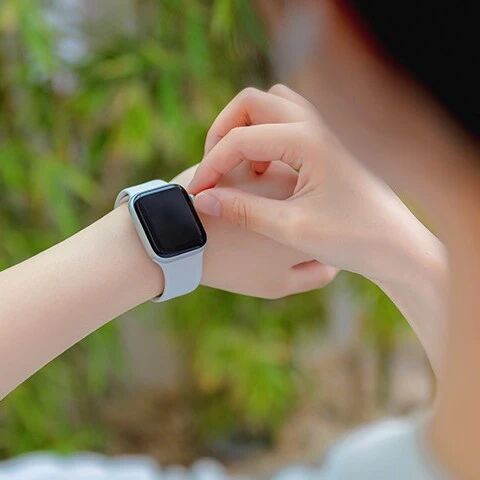
Core Viewpoint - The article discusses the growing anxiety associated with the reliance on data from smart wearable devices, particularly in monitoring sleep quality and health metrics, highlighting the paradox of quantifying life leading to increased stress rather than alleviating it [8][36]. Group 1: Impact of Smart Wearables - Many young people start their day by checking their smartwatches, which can significantly influence their mood based on sleep quality data [5][11] - There is a prevalent belief among the youth that data from these devices is infallible, leading to a cycle of anxiety when the data suggests poor sleep quality [9][12] - Scientific studies indicate that consumer-grade sleep monitoring devices have a sensitivity of only 86.1%, with significant inaccuracies in sleep stage classification [17] Group 2: Quantification of Daily Life - The trend of quantifying daily activities has permeated various aspects of life, including eating, drinking, and even relationships, where everything is reduced to numerical values [20][26] - Individuals meticulously track their caloric intake and hydration, often disregarding their natural instincts [21][24] - The obsession with quantifying activities extends to social interactions, where people compete over metrics like step counts on social media [28][30] Group 3: Psychological Effects - Overemphasis on health data can lead to psychological stress, which may manifest as real physiological symptoms, creating a feedback loop of anxiety [32][34] - The paradox of quantifying life is that the pursuit of data to reduce anxiety often results in the data itself becoming a source of stress [36] - This reliance on metrics can diminish individuals' ability to intuitively understand their own bodies and experiences, leading to a loss of genuine engagement with life [38][39] Group 4: Role of Technology - Smart devices should serve as reference tools, similar to weather forecasts, providing guidance rather than dictating emotional states [41] - The essence of life is to be experienced rather than calculated, emphasizing the value of moments that cannot be quantified [43][44] - Ultimately, individuals should reclaim their autonomy from data, recognizing that they are the masters of their lives, not slaves to metrics [45]

进化掉食欲的打工人,已经开始吃饲料了
3 6 Ke· 2025-06-03 03:16
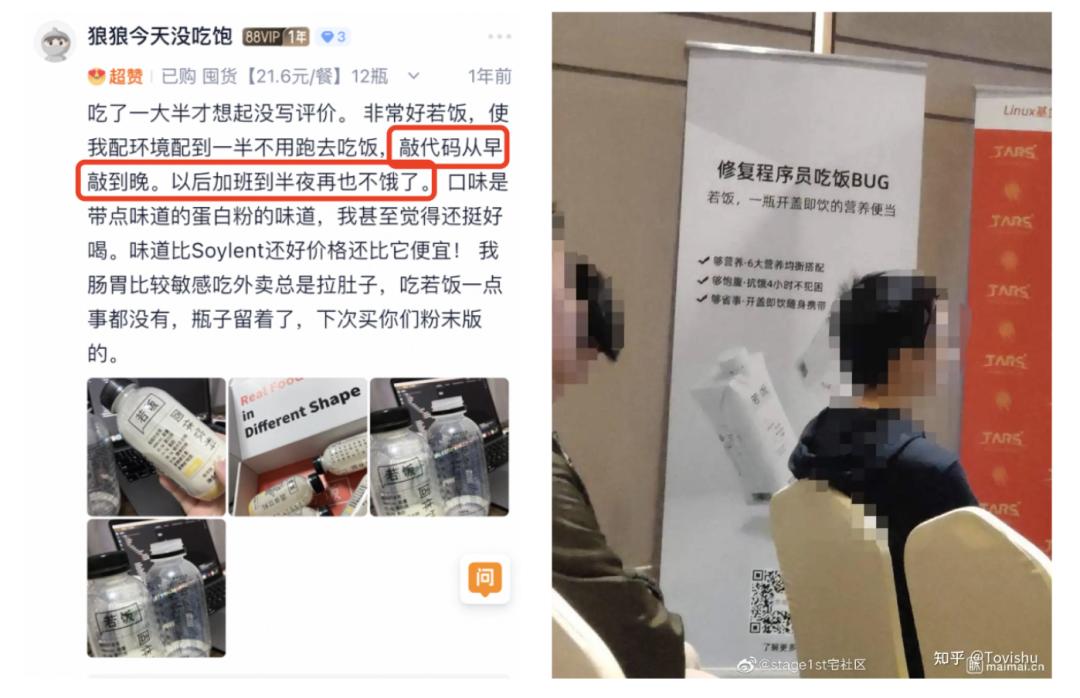
Core Viewpoint - The article discusses the rise of "human feed" products like "Ruo Fan," which simplify eating to a quick process, reflecting a shift in societal attitudes towards food and eating habits, driven by efficiency and time-saving needs [2][8][72]. Group 1: Market Trends - "Ruo Fan" has sold 24,000 units on Douyin, indicating strong market demand for quick and efficient meal solutions [2]. - The sales of "Ruo Fan" increased from 17 million in 2017 to nearly 50 million in 2018, showing rapid growth in its user base beyond just tech workers [62]. - The meal replacement market is expanding, with the meal delivery industry growing from 301.3 billion to 1.6357 trillion by 2024, reflecting a compound annual growth rate of 27.3% [62]. Group 2: Consumer Behavior - Consumers are increasingly opting for convenience over taste, as evidenced by the popularity of pre-packaged meals and "human feed," which prioritize efficiency [50][72]. - The trend of simplifying meals has led to a decline in the enjoyment and ritual of eating, with many people treating meals as mere sustenance rather than a pleasurable experience [50][72]. - The article notes that over 60% of consumers express dissatisfaction with the taste of pre-packaged meals, yet they continue to purchase them for convenience [35]. Group 3: Historical Context - The concept of meal replacements is not new; it traces back to 2012 with the introduction of "Soylent" by a Silicon Valley programmer, which aimed to provide a quick and nutritious alternative to traditional meals [22][25]. - The industrialization of food production has historically led to a decline in the quality and enjoyment of meals, as seen in the UK during the 19th century [67]. - The article draws parallels between the current trend of "human feed" and past societal shifts where convenience and efficiency overshadowed culinary enjoyment [72].