量紧价松

Search documents
沃什上任在即,流动性红利将终结?美联储前经济学家这么看
第一财经· 2026-02-09 11:35
2026.02. 09 本文字数:2689,阅读时长大约5分钟 胡捷(来源:采访对象提供) "左手工具"和"右手工具" 第一财经: 在提名期间沃什展现出"鸽派"立场,但市场认为沃什骨子里是一个"传统鹰派"。沃什获 得华尔街和白宫双重认可,他真实的态度和立场是什么? 胡捷: 如果简单概括,沃什之所以能同时被两边接纳,是因为他"既是鹰派,又是鸽派"。他的观点 包含了两个维度,既认为美联储不应发行过多的央行货币,又认为利率应该降低,这两种立场分别精 准地触达了相关方的利益诉求。 要理解这两者为何能同时存在,我们需要拆解央行达成"物价稳定"这一核心使命的两套工具。为了 实现通胀目标,央行会密切关注广义货币总量。当央行认为货币总量过剩、存在通胀风险时,通常有 两种调控路径。我们可以形象地称之为"左手工具"和"右手工具"。左手工具是"管自己",即央行直 接操作资产负债表来发行基础货币;右手工具是"管商行",即通过利率调节来控制商业银行体系创 造的派生货币,也就是存款。 作者 | 第一财经 冯迪凡、高雅 伴随凯文·沃什接掌美联储主席的日程临近,有两大叙事中的谜团仍需厘清。 其一,沃什是否会坚定降息,还是一个伪装"鸽派",事 ...

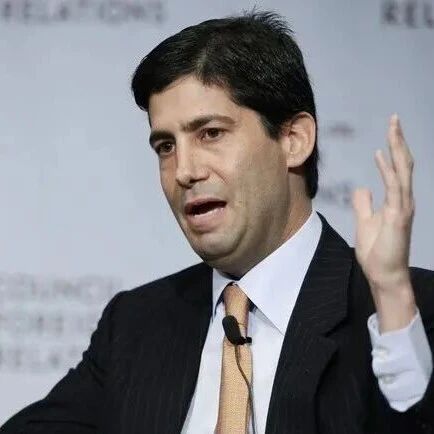
沃什上任在即,流动性红利将终结?美联储前经济学家这么看
Di Yi Cai Jing Zi Xun· 2026-02-09 10:16
Group 1 - The core narrative revolves around Kevin Walsh's potential approach as the new Federal Reserve Chair, specifically whether he will adopt a dovish stance while secretly being hawkish, and how his advocacy for balance sheet reduction may conflict with the U.S. Treasury's significant debt issuance needs [1][3] - Walsh's dual perspective allows him to be accepted by both Wall Street and the White House, as he balances the need for limited central bank currency issuance with the necessity of lowering interest rates, addressing the interests of both financial and real sectors [3][4] - Walsh's main proposition is to shift the Federal Reserve's focus from excessive reliance on "left-hand tools" (quantitative easing) to "right-hand tools" (interest rate adjustments) to achieve price stability [4][5] Group 2 - Walsh advocates for a combination of balance sheet reduction and interest rate cuts to manage the money supply, emphasizing that while both actions aim to control monetary volume, they target different sectors: the financial sector versus the real economy [5][6] - He expresses confidence that current inflation is easing and will continue to decline in the long term, attributing this to the potential supply-side growth driven by artificial intelligence, which he believes will keep prices stable even with increased demand from lower interest rates [6][7] - Walsh criticizes the Federal Reserve's reliance on lagging economic data and aims to reshape the relationship between the Federal Reserve and the Treasury, suggesting a new agreement to ensure fiscal discipline and reduce the Treasury's dependency on the Fed's support [7][8] Group 3 - Walsh's approach of "tightening quantity while loosening price" faces challenges due to the financial sector's accustomed benefits from previous quantitative easing, which has led to a prolonged bull market in equities despite underlying economic instability [9][10] - The significant national debt of $36 trillion poses a risk, as aggressive balance sheet reduction could increase financing costs and lead to systemic fiscal default risks, creating a conflict between the Federal Reserve and the Treasury [10]