钙吸收

Search documents
骨头汤补钙是误区?牛奶、咖啡这样喝,补钙高效不踩雷!
Xin Lang Cai Jing· 2026-01-25 07:58
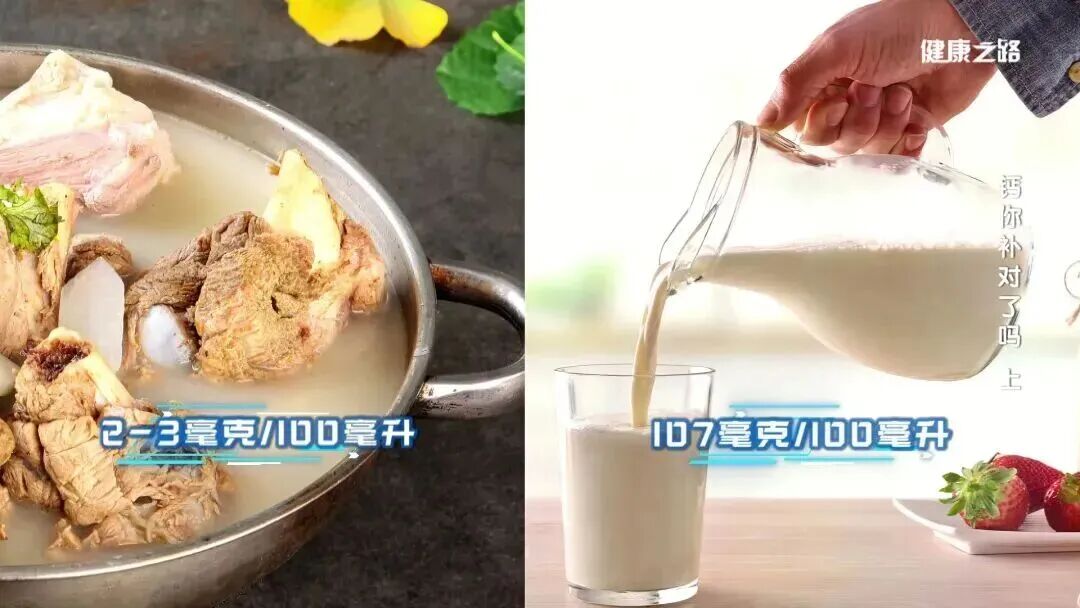
Core Viewpoint - The article emphasizes the importance of scientific calcium supplementation and addresses common misconceptions regarding calcium intake and absorption. Group 1: Calcium Sources and Recommendations - Dairy products, particularly milk, are highlighted as the most effective source of calcium, with a recommendation of 300 to 500 grams of dairy daily to meet calcium needs [2] - Adults should aim for a daily calcium intake of 800 milligrams, with two cups of milk fulfilling two-thirds of this requirement [2] - Food sources are preferred for calcium supplementation, with medication considered only if dietary intake is insufficient or absorption issues exist [3] Group 2: Consumption Guidelines - The quantity of milk consumed is crucial for effective calcium supplementation, with no specific timing required, although those with digestive issues should consume smaller amounts more frequently [4] - For older adults, it is advised to drink milk at least two hours before bedtime to avoid sleep disturbances due to increased urination [5] - Vitamin D is essential for calcium absorption, and sunlight exposure or supplements can aid in this process [6] Group 3: Milk Types and Alternatives - There is minimal difference in calcium content among whole, low-fat, and skim milk; the key is to ensure adequate intake based on individual health needs [7] - Individuals with lactose intolerance or milk allergies should focus on high-calcium foods such as leafy greens, tofu, nuts, and seafood, and may consider supplements under medical guidance [10] Group 4: Misconceptions about Calcium Sources - Bone broth is not a significant source of calcium, containing only 2-3 milligrams of calcium per 100 milliliters, and its consumption should be limited due to potential health risks [13][14] - Adding vinegar to bone broth may slightly increase calcium solubility, but the overall calcium content remains low compared to milk [16] Group 5: Demographic Considerations - Calcium supplementation is important throughout life, with peak bone mass typically reached around age 30; early attention to calcium intake can reduce the risk of osteoporosis later in life [16] - Women need to be particularly vigilant about calcium intake due to lower bone mass and increased loss during pregnancy and menopause [18] - Older adults experiencing symptoms of osteoporosis should seek medical evaluation and follow treatment plans that include dietary changes and exercise [19]

如何有效防晒?怎样利于维生素D合成与钙吸收?“分寸”拿捏 | 科普↓
Yang Shi Wang· 2025-06-13 04:57
Core Viewpoint - Excessive sun protection measures can lead to vitamin D deficiency, resulting in osteoporosis due to insufficient calcium absorption [3][6]. Group 1: Understanding Osteoporosis - Osteoporosis is a metabolic bone disease characterized by decreased bone formation and increased bone resorption, leading to fragile and porous bones [1]. - Insufficient vitamin D absorption due to excessive sun protection can cause calcium deficiency, which is a key factor in the development of osteoporosis [3]. Group 2: Importance of Sun Exposure - While sun protection is necessary, some exposure to ultraviolet (UV) rays is essential for vitamin D synthesis [3][16]. - It is recommended to have 10-15 minutes of sun exposure without protection during non-peak hours to aid in vitamin D production [16]. Group 3: Effective Sun Protection Strategies - Proper sun protection should balance UV exposure and vitamin D synthesis; full coverage can hinder vitamin D absorption [3][10]. - Recommended sun protection measures include using products from reputable manufacturers and applying sunscreen 20-30 minutes before sun exposure [10][12]. - Different SPF levels are suggested based on activity: SPF 15 for daily use, SPF 25-35 for outdoor activities, and SPF 35-50 for beach outings [14].