
长江国家文化公园

Search documents
蓝皮书解读|长江文化文艺创作、学术研究和传播领域均呈现新趋势
Xin Hua Cai Jing· 2025-11-26 09:05
Core Insights - The "Yangtze Culture Blue Book: Yangtze Culture Development Report (2024-2025)" was officially released, highlighting new trends in artistic creation, academic research, and dissemination in the Yangtze cultural sector over the past year [1] Group 1: Artistic Creation - Yangtze-themed artistic creation is transitioning towards "project-based" and "high-quality" development, driven by national and local policies [2] - Major projects like "Wind Right, Sail Suspended" and large-scale artistic creation activities have been launched, enhancing the quality and professionalism of Yangtze-themed artistic works [2] - Various artistic works reflecting the contemporary Yangtze landscape have been created, including long cultural essays, documentaries, orchestral music, and dance poetry [2] Group 2: Academic Research - Academic research on Yangtze culture is characterized by interdisciplinary integration, with key research hubs in Wuhan, Beijing, and Nanjing [4] - The focus of research includes topics like the "Yangtze National Cultural Park," "cultural industry," and "cultural tourism integration," with a notable presence of collaboration among scholars [4] - Numerous academic seminars and publications have emerged, providing important platforms for discussion and dissemination of Yangtze culture [4] Group 3: Cultural Dissemination - A unique dissemination pattern of Yangtze culture has formed, emphasizing the historical depth and contemporary value of the culture [6][7] - The volume of public discourse surrounding Yangtze culture exceeded 1.718 billion by June 2024, indicating significant engagement [7] - Collaborative media efforts across 13 provinces have enhanced the reach and impact of Yangtze culture, with initiatives like "Cultural China Tour: Yangtze Song" [7]
滨水空间“后起之秀”串联江海壮阔 宝山滨江:邮轮旅游“流量”变“留量” 将创造更多宜居宜游的诗意“增量”
Jie Fang Ri Bao· 2025-11-23 02:32
Core Insights - Baoshan Riverside is emerging as a vibrant area with significant developments in cruise tourism and urban infrastructure, positioning itself as a key player in the Asia-Pacific cruise industry [1][5] Cruise Tourism as an Engine - Baoshan Riverside is leveraging its strategic location at the confluence of the Yangtze River, Huangpu River, and Wenzaobang to develop the Wusongkou International Cruise Port, which has become a hallmark of the area since its operation began in 2012 [1] - In the first three quarters of this year, Wusongkou International Cruise Port hosted 177 cruise ships, accounting for 60% of the national market, and received 1.329 million inbound and outbound passengers, representing 70% of the national market [1] - The port achieved a record high of over 22,000 passengers on June 24, marking the first simultaneous docking of three cruise ships since the resumption of operations [1] Infrastructure and Service Enhancements - The port features a total quay length of 1,600 meters with four large cruise berths, capable of accommodating the world's largest cruise ships [2] - The introduction of pre-clearance services has significantly improved customs efficiency and passenger flow, enhancing the overall visitor experience [2] - Recent upgrades have added three hotels along Baoshan Riverside, providing approximately 700 high-quality rooms, and increased the popularity of commercial complexes like Shanghai·Sea World [2] New Landmarks and Cultural Integration - Baoshan Riverside has introduced new landmarks such as the 180-meter Longtang Observation Tower and the Longtang Concert Hall, enhancing the cultural and recreational offerings of the area [4] - The Longtang Concert Hall, the largest in northern Shanghai, has hosted performances from notable orchestras, contributing to the cultural vibrancy of the region [4] Future Developments - By the end of 2026, Baoshan Riverside plans to open a new commercial complex and a Marriott hotel, further expanding its commercial footprint and hospitality offerings [5] - The area is set to enhance its appeal through various events and activities, including the Wusongkou Sky Theater and the Shanghai Longtang Half Marathon, creating more reasons for visitors to explore [5] Cultural and Ecological Initiatives - Baoshan Riverside aims to establish itself as a national-level tourist resort, focusing on ecological and cultural heritage tied to the Yangtze River [6] - Initiatives such as the Longjiang Cultural Corridor and the Longjiang Cultural Food Festival are designed to promote local culture and cuisine [6] - The Shanghai Yangtze River Estuary Science Museum is undergoing renovations to tell the story of the Yangtze River, enhancing educational and cultural engagement [6]
武汉长江之畔 “诗中的长江”正走向现实
Chang Jiang Ri Bao· 2025-09-17 00:28
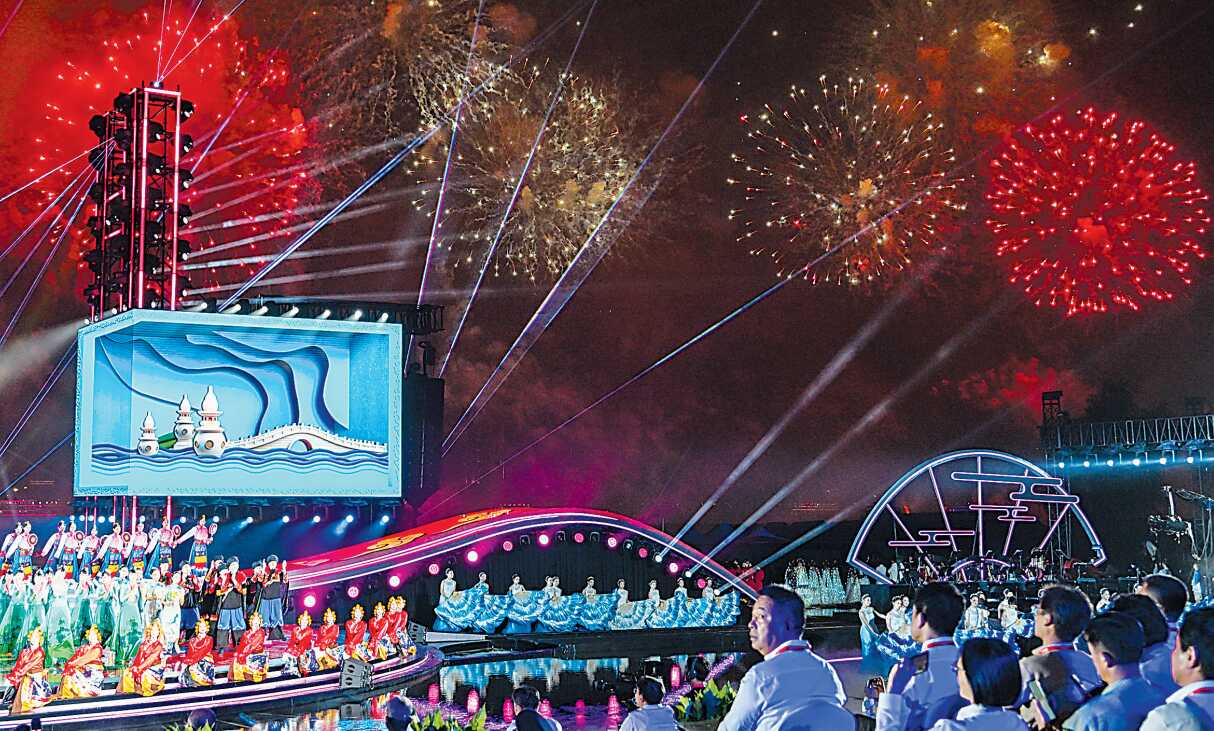
Core Viewpoint - The article highlights the cultural empowerment of cities along the Yangtze River, showcasing how cultural initiatives are driving high-quality development in these regions, particularly through events like the 2025 Yangtze Cultural Arts Season [1][5]. Group 1: Cultural Events and Initiatives - The 2025 Yangtze Cultural Arts Season opened with a vibrant ceremony in Wuhan, emphasizing the rich cultural heritage of the Yangtze River and its cities [1][4]. - Eight outdoor performances have returned to the Yellow Crane Tower, offering immersive experiences that celebrate the cultural romance of the Jingchu region [2][3]. - The Yellow Crane Tower Cultural Exhibition Hall has been inaugurated, showcasing over 1,800 years of history and cultural significance [2][3]. Group 2: Tourism and Visitor Engagement - In the first half of the year, the Yellow Crane Tower received 2.1535 million visitors, with 745,200 during the summer, including 15,100 foreign tourists [3]. - Wuhan is developing the "Two Rivers and Four Banks" core area of the Yangtze International Golden Tourism Belt, enhancing the tourism experience with diverse offerings [3]. Group 3: Cultural Heritage and Research - The article discusses the ongoing efforts to protect and utilize historical cultural heritage along the Yangtze River, including the establishment of the Yangtze National Cultural Park [2][5]. - Recent archaeological discoveries have clarified the evolution of Yangtze civilization, contributing to its recognition as a significant aspect of Chinese cultural identity [5][6]. Group 4: Collaborative Development - The Hubei provincial government emphasizes cooperation among Yangtze River provinces to foster economic, cultural, and ecological synergies [6]. - The Yangtze Museum's exhibition outline has been drafted, aiming to showcase the region's cultural richness and promote cross-regional sharing of resources [6].

提炼长江文化精神标识 助力长江国家文化公园形象建构和传播
Ren Min Wang· 2025-07-17 10:10
Core Viewpoint - The report emphasizes the importance of preserving and showcasing Chinese culture, particularly through the establishment of the Yangtze National Cultural Park, which aims to protect cultural heritage and meet the spiritual needs of the public [1][3]. Group 1: Cultural Heritage and Research - The Yangtze River, as China's largest river, has accumulated numerous cultural heritages over millennia, reflecting the evolution of Chinese civilization and the wisdom of ancient people [1]. - Recent archaeological discoveries in the Yangtze River basin have prompted a reevaluation of the cultural achievements and significance of the region, highlighting the importance of Yangtze culture research for understanding the origins and evolution of civilization [2]. - Existing research on Yangtze culture, including works by authors like Ding Guangxun and Liu Junan, provides valuable insights and serves as a foundation for further exploration of the spiritual essence of Yangtze culture [2]. Group 2: Cultural Development Plans - The "14th Five-Year Plan for Cultural Development" outlines the need for in-depth research on Yangtze culture and emphasizes the protection and utilization of cultural heritage, aiming to integrate historical and cultural aspects with urban and rural development [3]. - The joint issuance of the "Yangtze National Cultural Park Construction and Protection Plan" by various government departments aims to ensure the sustainable development of the park and to establish it as an important symbol of Chinese culture [3].