长江生态修复

Search documents
中国科学院最新Science论文:长江,正在“复活”!
生物世界· 2026-02-15 07:30
撰文 王聪 编辑丨王多鱼 排版丨水成文 长江生态系统 作为全球生物多样性的热点,在我国过去七十年的快速经济发展中承受了巨大的压力,其生 物多样性呈现长期衰退的趋势。为应对这一生态危机, 我国于 2021 年起实施 长江流域全面十年禁渔 , 这是全球范围内规模最大、影响力最强的内陆水域生态保护行动之一 。然而,这一大规模保护行动的实际 效果及其生态学机制如何,亟待科学解析。 2026 年 2 月 12 日,中国科学院水生生物研究所、湖南科技大学、法国图卢兹大学、美国华盛顿大学、加 拿大卡尔顿大学、珠江水资源保护科学研究所、浙江省淡水水产研究所及海南大学等单位组成的国际合作 研究团队,在国际顶尖学术期刊 Science 上发表了题为: Fishing ban halts seven decades of biodiversity decline in the Yangtze River 的研究论文。 中国科学院水生生物研究所/湖南科技大学生命科 学与健康学院 陈宇顺 为论文通讯作者, 熊芳园 博士 (现任职于珠江水资源保护科学研究所) 和 李中阳 博士 (现任职于浙江省淡水水产研究所) 为论文共同第一作者, 中国 ...


1426头!长江江豚实现恢复性增长
Xin Lang Cai Jing· 2026-01-30 22:49
特有鱼类资源的增长,不仅是物种本身的恢复,更反映了长江生态系统健康状况正在不断好转,对长江 生态修复有重要意义。桂建芳举例说,特有鱼类占长江鱼类总数的43%,在水生食物网中占据不同生态 位,构成了复杂稳定的营养结构。比如,底层特有鱼类可调控底栖生物量,植食性特有鱼类能抑制藻类 过度繁殖,这些生态协同作用可有效提升生态系统的稳定性。 作为目前长江中唯一的淡水鲸豚类动物,长江江豚的生存状况可以直接反映长江生态系统的健康程度。 张治礼提供的数据显示:2025年专项调查显示,长江江豚已经恢复到1426头,比2022年调查时增加177 头,成为长江大保护的重要生态名片。2021至2025年,长江流域累计监测到鱼类351种,比禁渔前增加 43种,鱼类小型化趋势得到有效遏制,水生生物完整性指数显著提升。 "此前因过度捕捞、栖息地被破坏导致一度十分罕见的鳤等物种,开始逐步回归监测视野,物种分布的 连续性显著改善。"长江十年禁渔中期评估专家组组长、中国科学院院士桂建芳表示,这说明禁渔为特 有鱼类提供了稳定的生存空间,有效扭转了物种的衰减态势。 (来源:千龙网) 昨天(30日),国务院新闻办公室举行新闻发布会,介绍长江十年禁渔中 ...
碧水生新 长江回响
Xin Lang Cai Jing· 2026-01-11 22:26
Core Viewpoint - The article highlights the significant ecological recovery of the Yangtze River due to the implementation of a ten-year fishing ban, which has led to improvements in water quality and biodiversity, particularly the restoration of the endangered Yangtze sturgeon population [5][6][7]. Group 1: Ecological Recovery - The Yangtze River, once rich in aquatic biodiversity, faced severe resource decline due to human activities since the 1980s, leading to a critical state where the biological integrity index dropped to a level described as "no fish" [5]. - The ten-year fishing ban, initiated on January 1, 2021, has shown early positive results, with significant efforts in artificial breeding and release of fish species, including over 66,000 Yangtze sturgeons released by 2024 [6][7]. Group 2: Community Impact - The fishing ban has transformed the livelihoods of local fishermen, with many transitioning to agriculture and receiving government pensions, indicating a shift from reliance on fishing to sustainable practices [7]. - The article illustrates a broader change in community attitudes towards water conservation, with new recreational activities emerging, such as winter swimming in clearer waters, reflecting a harmonious coexistence with nature [7].
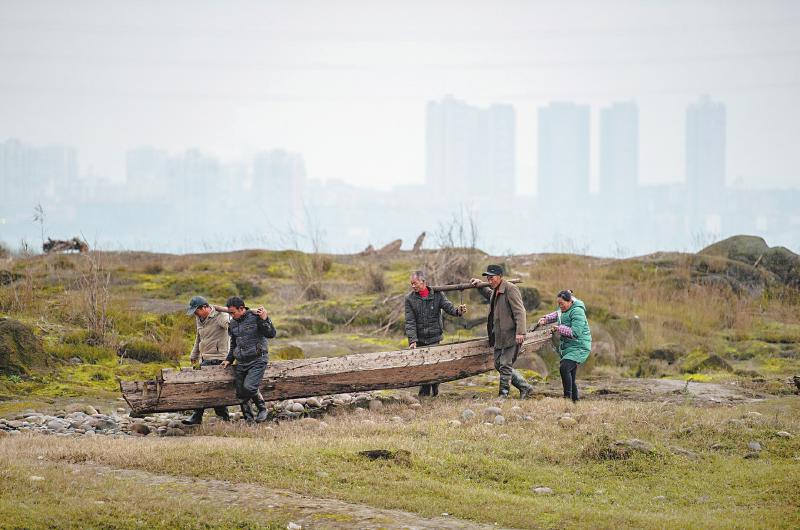
重庆:修复“生态廊道” 打造文旅新场景新地标
Xin Lang Cai Jing· 2026-01-07 23:22
Core Viewpoint - Chongqing is taking significant steps to protect and restore the ecological environment of the Yangtze River, enhancing both tourism and local quality of life through ecological restoration efforts [3] Group 1: Ecological Protection and Restoration - Chongqing is positioned as the last ecological barrier in the upper reaches of the Yangtze River, emphasizing the importance of environmental protection [3] - The city has prioritized the restoration of the Yangtze River's ecological environment, implementing strict pollution control measures to improve water quality and air quality [3] - Efforts in ecological restoration have led to the creation of numerous new cultural and tourism landmarks, stimulating new vitality in the integration of culture and tourism [3] Group 2: Impact on Local Community - The initiatives have effectively enhanced the happiness, sense of gain, and quality of life for local residents [3] - The ecological corridor function along the riverbanks has been strengthened, contributing to the overall environmental health of the region [3]
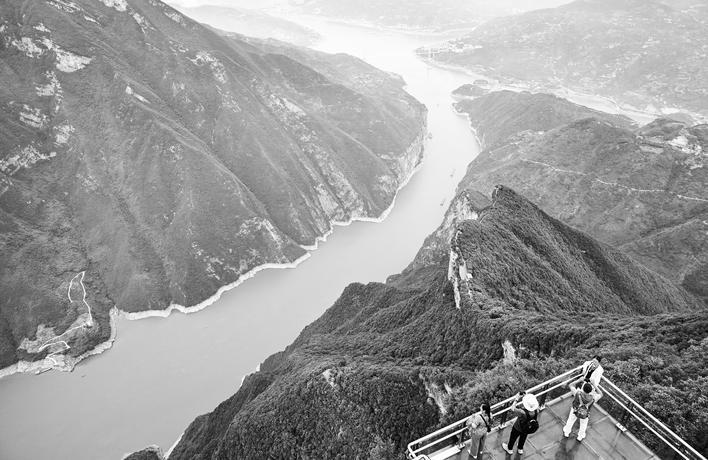
打造全国一流长江岸线,长江青山段水质稳定保持Ⅱ类
Chang Jiang Ri Bao· 2025-09-25 08:35
Group 1 - The Wuhan government is focusing on high-quality completion of the "14th Five-Year Plan" and promoting the construction of a beautiful Wuhan, particularly through environmental protection efforts along the Yangtze River [1] - The Qing Shan District has implemented ten major actions for high-level protection of the Yangtze River, including the closure and relocation of 19 chemical enterprises and the remediation of 281 pollution outlets, resulting in stable water quality at Class II and optimal levels in nearby lakes [1] - A total of over 220,000 tons of solid waste have been cleared from the Yangtze River shoreline, transforming the area from a heavily industrialized zone to an ecological shoreline that enhances urban aesthetics and environmental quality [1] Group 2 - Wuhan Steel has invested a total of 15.4 billion yuan in 135 ultra-low emission transformation projects, permanently closing three blast furnaces and achieving zero wastewater discharge, ultra-low emissions of waste gas, and no solid waste leaving the factory [2] - The district's GDP has consistently surpassed 80 billion yuan and 90 billion yuan during the "14th Five-Year Plan" period, reaching over 100 billion yuan, while major pollutants from industrial waste gas and wastewater have decreased by 45% compared to the end of the "13th Five-Year Plan" [2] - The area has created 14 urban ecological parks, achieving a city greening coverage rate of 35.69% and increasing per capita park green space to 10.14 square meters, contributing to a better quality of life for residents [2]
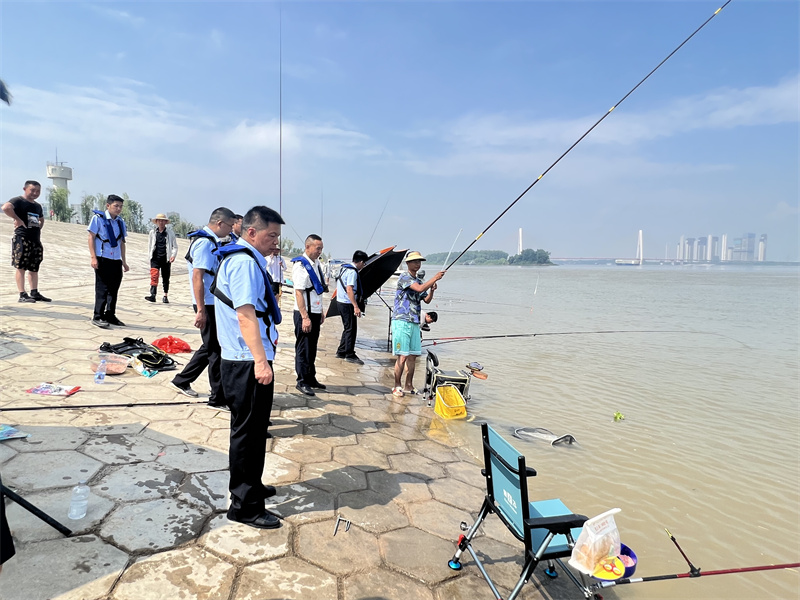
人民网:武汉立法规范流域垂钓行为 多元共治守护母亲河
Ren Min Wang· 2025-07-02 01:00
Core Viewpoint - The implementation of the "Interim Measures for the Management of Key Fishing Areas in the Yangtze River Basin" in Wuhan aims to regulate fishing activities and protect the ecological environment of the Yangtze River following a decade-long fishing ban [1][2]. Regulatory Framework - The new regulations, effective from July 1, include a prohibition on multiple rods, multiple hooks, and the use of fishing aids such as fish finders and drones [2]. - Specific banned practices include the use of toxic baits, live aquatic organisms as bait, and fishing from boats or floating devices [2]. - The regulations also mandate the immediate release of rare species like the Chinese sturgeon and Yangtze river dolphin if accidentally caught [2]. Ecological Impact - The ecological environment in the Wuhan section of the Yangtze River has significantly improved over the past five years, with the presence of Yangtze river dolphins and the resurgence of certain fish species [2]. - Approximately 1 million anglers in Wuhan and over 30 million in the Yangtze River basin have been identified, with illegal fishing activities contributing to ecological damage [2]. Multi-Departmental Cooperation - The regulatory framework emphasizes cross-departmental collaboration, with the agricultural department leading oversight, while police focus on illegal fishing practices [4]. - A monitoring system has been established, including 74 river section leaders and 343 shoreline managers, along with 159 "fishing regulation networks" for 24-hour surveillance [4]. Public Engagement and Technology - The launch of the "Handiao Tong APP," the first public fishing service platform in the Yangtze River basin, aims to facilitate compliant fishing by providing navigation, real-time alerts, and catch registration [6]. - The platform is designed to guide fishing activities from natural waters to regulated sites, promoting orderly fishing practices [6].