
降低生产成本

Search documents
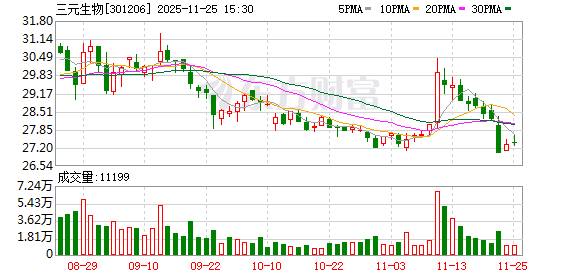
三元生物:公司始终致力于通过多种措施降低生产成本
Zheng Quan Ri Bao· 2025-11-25 08:56
Core Viewpoint - The company is focused on reducing production costs through various measures, with raw material costs being a key factor [2] Group 1: Raw Material Strategy - The company has transitioned from using glucose as the main raw material to starch, and this year has shifted to primarily using liquid starch, which has effectively reduced upstream energy consumption and helped lower raw material costs [2] - The company is accelerating the construction of a corn processing production line to further reduce raw material costs by extending upstream in the supply chain, enhancing product market competitiveness [2] Group 2: Regulatory Considerations - Utilizing corn as the main raw material may help create conditions for the EU anti-dumping review, aiming to lower tax rates through legal means [2]


悦安新材:羰基铁粉新工艺的实施将有助于降低生产成本
Zheng Quan Ri Bao Wang· 2025-11-12 07:12
Core Viewpoint - The implementation of the new carbonyl iron powder process will help reduce production costs and enhance the market competitiveness of the company's products [1] Group 1: Production and Cost Management - The pricing of the company's products is influenced by various factors including process technology, raw material prices, and market supply and demand [1] - The company anticipates achieving its cost reduction targets gradually after scaling up production [1] Group 2: Product Quality and Optimization - The operational efficiency of Ningxia Yuenan needs to be evaluated in conjunction with the overall performance of both main and by-products [1] - Current experiments indicate that the purity of by-products can be maintained at a stable level, and the company plans to continue optimizing processes to achieve industrialization goals for related products after mass production [1]

三元生物终止2亿元智能化生物质能源项目:审批受阻尚未开工 对经营无重大影响
Xin Lang Cai Jing· 2025-10-26 08:55
Core Viewpoint - Shandong Sanyuan Biotechnology Co., Ltd. has decided to terminate its planned investment of 200 million yuan in an intelligent biomass energy project due to obstacles in obtaining necessary approvals, which has prevented the project from commencing construction [1][3]. Project Overview - The intelligent biomass energy project was initially approved by the company's fourth board meeting on July 22, 2022, with a planned investment of 200 million yuan using self-owned funds. The project's core objective was to reduce production costs in line with the company's strategic development needs [2]. Reasons for Termination - The company faced significant delays in the approval process, stating that it has not received the necessary approvals from relevant authorities, which has hindered the project's progress. After a comprehensive evaluation, the company concluded that the project could not be pursued as originally planned and decided to terminate it based on prudence [3]. Impact on the Company - The termination of the project will not have a significant impact on the company's operations or financial status, as the project had not yet commenced construction. The decision was made after considering changes in the policy environment and approval regulations, ensuring that normal operations remain unaffected. The company will continue to focus on its core business in the fermentation sector, which includes products like erythritol [4]. Market analysts noted that since no substantial funds had been invested, the termination would have limited short-term effects on the company's performance and cash flow [4].
哥伦比亚总统下令取消布料与皮革关税
Shang Wu Bu Wang Zhan· 2025-10-14 15:49
Core Points - Colombian President Petro has instructed the Ministry of Trade to eliminate tariffs on fabrics and leather, aiming to reduce production costs and enhance export competitiveness [1] - The textile industry representative, Criado, highlighted that approximately 142,000 small and medium-sized enterprises, which constitute 99% of the industry, support employment in Colombia's fashion sector [1] - Criado urged the government to take further action by removing tariffs on raw materials like yarn to stimulate the grassroots economy [1]