
布料

Search documents
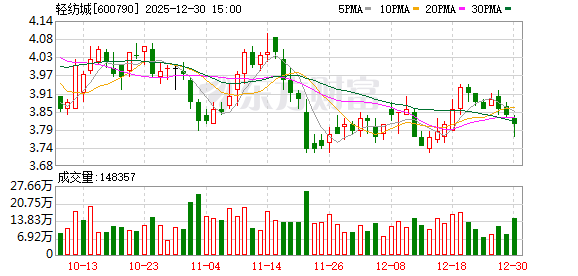
中国轻纺城 布行天下的“新生意经”
Shang Hai Zheng Quan Bao· 2025-12-30 19:23
Core Insights - The article highlights the transformation of China Textile City in Shaoxing, Zhejiang, into a global textile hub, emphasizing its role in connecting the textile industry worldwide [2][10] - The leadership of China Textile City is focused on evolving from a traditional rental model to a comprehensive service integrator that empowers the entire textile industry [3][4] Group 1: Market Position and Growth - China Textile City is the largest textile trading center globally, with over 30,000 merchants and a transaction volume exceeding 400 billion yuan, accounting for one-quarter of the world's fabric trade [2] - The market has undergone significant reforms since 2020, including the introduction of professional property management to enhance operational efficiency and market vitality [3][4] Group 2: Service and Operational Innovations - The implementation of a "24-hour flexible operation" mechanism allows merchants to adapt their business hours according to different time zones, enhancing customer engagement [3] - The introduction of outdoor specialty fabric zones and the integration of vertical elevators are part of the strategy to improve customer experience and market accessibility [4] Group 3: Digital Transformation - China Textile City is undergoing a digital upgrade, with smart management of utilities and real-time data collection on market traffic, transactions, and energy consumption [6] - The online marketplace, including "Online Textile City" and "Global Textile Network," has been developed to facilitate 24/7 trading and enhance cross-regional business operations [6][7] Group 4: International Expansion - The launch of the "Kexin Asia" cross-border logistics line aims to enhance the export of textiles to Central Asia, reflecting a strategic move to bring the market closer to international customers [8] - Plans are underway to establish 30 to 50 overseas exhibition and trading centers by 2026, with the first three centers in Bangladesh, Italy, and Egypt expected to be operational by the end of 2026 [9][10]


脱“乌”向绿海——“深入践行能源安全新战略”系列纪录片第三集
Zhong Guo Neng Yuan Wang· 2025-12-26 09:12
Core Viewpoint - The article emphasizes the importance of energy security as a strategic issue for national economic and social development, highlighting China's progress in building a new energy system under the guidance of the "Four Revolutions, One Cooperation" strategy proposed by President Xi Jinping [1]. Group 1: Energy Production and Safety - The city of Wuhai has become the first major coal-producing area in China to implement a "no night shift" production model, leading to changes in production and energy safety [2]. - Wuhai's coal reserves have decreased to less than 3 billion tons, while limestone reserves are abundant at 20 billion tons, facilitating local processing and production of various chemical products [3]. Group 2: Technological Advancements - Wuhai has adopted advanced automation in its chemical production processes, with minimal human presence in control rooms and production sites, showcasing a shift towards high-tech operations [3]. - The city has established a leading BDO production line with the highest single-line capacity globally, reflecting significant advancements in chemical engineering [3]. Group 3: Renewable Energy Initiatives - Wuhai is integrating renewable energy projects, including solar and wind power, into its energy landscape, with a total installed capacity of over 5 million kilowatts, and renewable energy accounting for 19% of the total [4]. - The city is collaborating on cross-regional renewable energy projects, such as the 4 million kilowatt project from Alxa League, enhancing its energy structure [4]. Group 4: Innovative Energy Solutions - Superconducting energy panels are being utilized in Wuhai to store and convert solar energy for heating and cooling, demonstrating innovative approaches to energy management [5]. - The city is also focusing on hydropower, with significant projects like the 90,000-kilowatt capacity of the Datang Haibowan Hydropower Station contributing to energy supply [6]. Group 5: Future Development Plans - Wuhai aims to develop its energy storage and hydrogen industries while exploring virtual power plants and zero-carbon industrial parks as part of its future energy strategy [7].
重庆江北机场国际货邮吞吐量单周破6000吨 创开航以来单周货运量新高
Zhong Guo Min Hang Wang· 2025-12-19 03:33
Core Insights - Chongqing Jiangbei Airport has achieved a significant milestone by surpassing 6,000 tons of international cargo throughput in a single week from December 8 to 14, marking a new high since its opening [1] Group 1: Cargo Operations - The airport's outbound cargo reached 4,484 tons, while inbound cargo was 1,566 tons, indicating a robust growth in international logistics [1] - New international cargo routes have been launched, including the Chongqing-Yangon route, which allows for same-day round trips and efficient turnover of goods [2] - The airport currently operates 20 international and regional cargo routes with 66 flights per week, creating a logistics network that connects Europe and Southeast Asia [2] Group 2: Innovative Services - The introduction of the first national "whole board direct transfer" service has eliminated intermediate steps like warehousing, resulting in an 11,000-ton international air-to-air transfer volume in November, a 78% year-on-year increase [2] - Major logistics companies such as SF Express and JD Logistics are increasing their collection efforts in Chongqing, positioning the city as a key hub for cross-border e-commerce in the Midwest [2] - The airport has optimized storage standards and detailed loading processes to enhance both transportation safety and turnover efficiency for various types of cargo, including cold chain and heavy goods [3]

一场小纺针引发的大纠纷
Ren Min Wang· 2025-11-13 00:54
Core Viewpoint - The article highlights a legal dispute between two textile industry players in Guangdong, focusing on the complexities of contract enforcement and quality assurance in the textile supply chain [1][2][3]. Group 1: Industry Context - Guangdong's textile industry, particularly in Shantou's Chaonan District, consists of over 3,700 homewear textile enterprises, indicating a vibrant manufacturing environment despite ongoing disputes [1]. - The case illustrates the challenges faced by small manufacturers in ensuring product quality and managing supplier relationships, which are critical in the textile sector [2][3]. Group 2: Legal Dispute Details - The dispute originated from a contract involving the purchase of over 100,000 textile needles, with the buyer claiming quality issues with the fabric produced, leading to a protracted legal battle [1][2]. - The court proceedings included multiple hearings and attempts at mediation, highlighting the difficulties in resolving commercial disputes without clear contractual agreements [2][3]. - The judge emphasized the importance of evidence in determining liability, particularly regarding the quality of the needles, which could require costly judicial appraisal [2][3]. Group 3: Resolution and Mediation - A resolution was reached through mediation, with the parties agreeing to a settlement where the buyer paid 56,000 yuan for outstanding debts, demonstrating the effectiveness of mediation in commercial disputes [4]. - The court's high dispute resolution rate of 57.78% this year reflects a commitment to resolving conflicts efficiently within the textile industry [4].
护航“浙江制造”出海 宁波机场首条直飞俄罗斯全货机定班航线开通
Zhong Guo Min Hang Wang· 2025-11-11 08:14
Core Insights - The launch of a direct cargo flight route from Ningbo to Moscow marks the establishment of a new "air trade corridor" that enhances logistics efficiency for Zhejiang-made products [1][3][5] Group 1: Logistics and Trade - The new cargo route will operate twice a week, significantly improving logistics efficiency by over 60% compared to traditional sea transport, while also reducing supply chain costs [5][6] - Ningbo's port has seen a substantial increase in exports of high-value products, with lithium-ion battery exports reaching 15.07 billion yuan, a year-on-year increase of 146.3% [3] - The direct flight will facilitate faster logistics cycles, enabling "Ningbo Intelligent Manufacturing" to efficiently enter the Russian market and expand into Central and Eastern Europe [3][6] Group 2: Airport and Customs Operations - Ningbo Airport has implemented a tailored inspection plan for the new cargo route, ensuring rapid customs clearance with a "7×24 hours" seamless service model [9] - The airport has been expanding its global cargo network, recently opening routes to Miami and Liège, further enhancing its international logistics capabilities [9] - The Ningbo-Moscow route is a crucial part of the airport's west-east logistics network, strengthening the air logistics capacity between Zhejiang Province and the Eurasian continent [9]
浙江宁波首开直飞俄罗斯全货机定班航线
Zhong Guo Xin Wen Wang· 2025-11-11 07:53
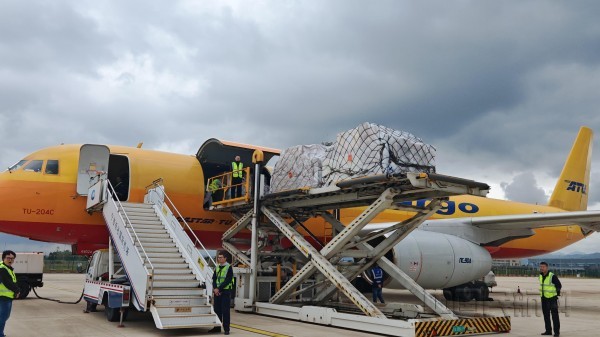
Core Points - The opening of the first direct all-cargo flight route from Ningbo, China to Moscow, Russia, marks a significant development in logistics and trade between the two regions [1] - The route is operated by Russia's Airstar Airlines using TU204C cargo planes, carrying various high-value products such as textiles, electronics, and mobile devices [1] Industry Summary - Ningbo is recognized as an important manufacturing base and foreign trade port in the Yangtze River Delta, particularly excelling in lithium batteries, photovoltaic components, and consumer electronics [1] - The direct flight mode is expected to significantly reduce logistics cycles, enhancing the efficiency of supply chains that require timely and standardized operations [1] Operational Details - The new route will operate twice a week on Tuesdays and Fridays, improving logistics efficiency by over 60% compared to traditional sea freight [1] - Ningbo Airport has established a "fast track" for cargo flights, ensuring 24/7 customs clearance to facilitate immediate inspections and departures [1]
2025年10月,越南十大进口商品类别统计
Shang Wu Bu Wang Zhan· 2025-11-08 03:15
Core Insights - Vietnam's total imports in October 2025 reached $39.44 billion, reflecting a 1% decrease from the previous month [1] Import Data Summary - The top ten imported goods in October 2025 included: - Computers, electronic products, and accessories: $13.1 billion, down 6% from the previous month [1] - Machinery, equipment, tools, and accessories: $5.28 billion, down 2.3% [1] - Fabrics: $1.28 billion, down 1.9% [1] - Mobile phones and accessories: $1.2 billion, up 0.1% [1] - Common metals: $1.03 billion, up 16.7% [1] - Plastic raw materials: $1 billion, down 0.4% [1] - Steel: $996 million, up 23.9% [1] - Plastic products: $950 million, down 2.9% [1] - Steel products: $731 million, up 0.3% [1] - Chemicals: $720 million, up 10.1% [1]
“早筹备、精对接、强服务”主动出击收获订单 从现场到工厂广交会客商收获多多
Yang Shi Wang· 2025-10-31 08:58
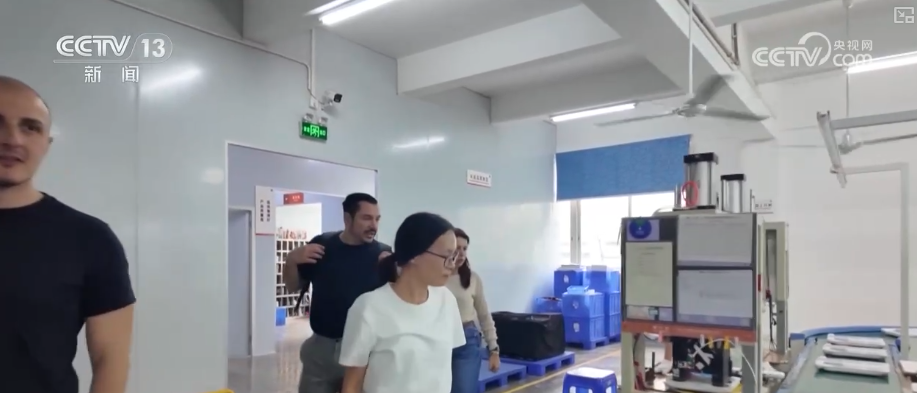
Group 1 - The Canton Fair has attracted foreign buyers to visit production lines, leading to significant cooperation opportunities for companies [1][3] - A Brazilian buyer expressed satisfaction with the factory visit, reinforcing their commitment to ongoing collaboration with a technology company [3] - Companies are experiencing an increase in overseas orders and are ramping up production capacity to meet demand [5] Group 2 - A procurement team of nearly 100 people from Guangzhou visited Foshan for a "targeted sourcing" trip, organized by local government to facilitate connections between foreign buyers and local manufacturers [10] - The Foshan border inspection agency has implemented a "24/7" customs clearance service to expedite the export process for foreign trade companies [11][13] - The overall volume of inbound and outbound vessels at the port has increased by approximately 20% during the fair, enhancing the efficiency of order fulfillment [13] Group 3 - Guangdong's professional markets have adopted strategies of "early preparation, precise matching, and strong service" to capture the opportunities presented by the influx of foreign buyers during the fair [15] - The Guangzhou International Light Textile City serves as a key venue for domestic and international apparel buyers to observe fashion trends, hosting nearly 3,000 leading suppliers [16] - The Light Textile City has set up offline service points and multilingual staff to assist foreign buyers in navigating the fair's resources [18]
这届00后,去市场淘布做“高定”
3 6 Ke· 2025-10-30 03:20
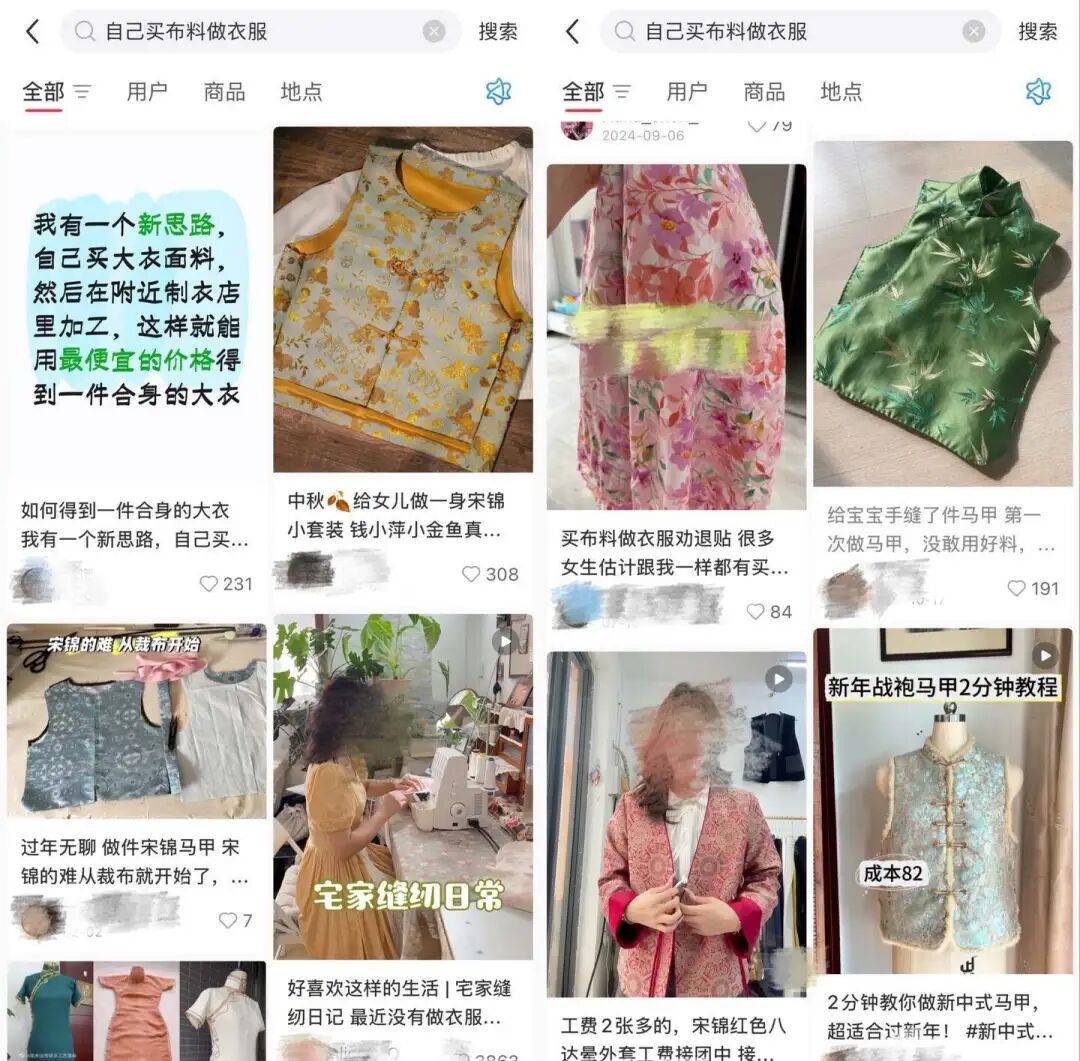
Core Insights - The article discusses a shift in consumer behavior among the younger generation, particularly Generation Z, towards DIY clothing by purchasing fabric and creating custom garments, marking a departure from traditional brand-centric fashion consumption [2][3][15]. Group 1: Consumer Behavior - Young consumers are increasingly engaging in fabric markets, driven by a desire for individuality and self-expression, as they seek to avoid the social awkwardness of wearing the same outfits as others [2][4][7]. - The trend reflects a broader "fashion revolution" where the focus has shifted from brand logos to the quality and uniqueness of materials and designs [3][15]. - A significant 70% of surveyed individuals aged 18-35 expressed dissatisfaction with the homogenized designs of fast fashion brands, leading to a 280% increase in those opting for DIY clothing over three years [15][16]. Group 2: Economic Implications - The cost-effectiveness of making clothes from purchased fabric is highlighted, with examples showing that the cost of DIY garments can be significantly lower than retail prices for similar quality items [5][12][16]. - The article notes that the fabric market is experiencing a revival, with reports of increased business for fabric vendors and tailoring shops, particularly among younger customers [10][12]. - The shift towards DIY clothing is also seen as a response to the high prices of ready-made garments, with custom-made options often costing a fraction of branded items [12][16]. Group 3: Social Media Influence - Social media platforms play a crucial role in promoting this trend, with tutorials and DIY content encouraging more individuals to explore fabric markets and sewing [7][18]. - The rise of "interest e-commerce" and community-driven content on platforms like Xiaohongshu and Douyin has lowered the barriers to entry for learning sewing skills and has fostered a sense of community among DIY enthusiasts [18][19]. - The article suggests that this trend could lead to a transformation in the traditional fashion industry, pushing brands to rethink their business models to incorporate sustainability and personalization [18][19].
哥伦比亚总统下令取消布料与皮革关税
Shang Wu Bu Wang Zhan· 2025-10-14 15:49
Core Points - Colombian President Petro has instructed the Ministry of Trade to eliminate tariffs on fabrics and leather, aiming to reduce production costs and enhance export competitiveness [1] - The textile industry representative, Criado, highlighted that approximately 142,000 small and medium-sized enterprises, which constitute 99% of the industry, support employment in Colombia's fashion sector [1] - Criado urged the government to take further action by removing tariffs on raw materials like yarn to stimulate the grassroots economy [1]