
零公里二手车现象

Search documents
清算零公里二手车
3 6 Ke· 2025-12-18 10:47
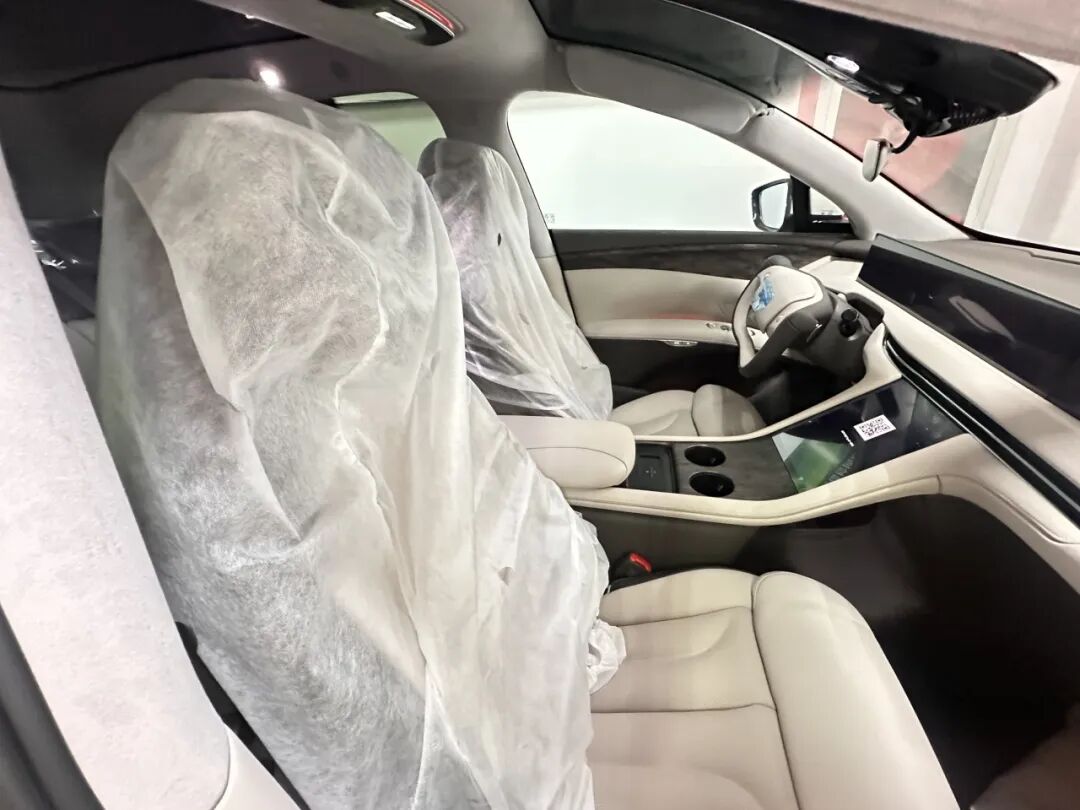
Core Viewpoint - The phenomenon of "zero-kilometer used cars" in the Chinese automotive market represents a complex issue driven by overproduction and inventory management strategies, leading to significant market disruptions and potential risks for consumers and manufacturers alike [1][4][10]. Group 1: Definition and Mechanism - "Zero-kilometer used cars" refer to vehicles that have either never been driven or have only been driven a few hundred kilometers, and can be either registered or unregistered [2]. - This practice allows manufacturers and dealers to sell new cars as used cars at substantial discounts, often between 3% to 8% below the original dealership price, with some prices dropping as low as 57% of the new car invoice price [4][6]. Group 2: Market Impact - The estimated transaction volume for "zero-kilometer used cars" in 2024 could reach nearly 1 million units, accounting for 5% of the entire used car market [7]. - The export of these vehicles has surged from 15,000 units in 2021 to an expected 436,000 units in 2024, with projections suggesting it will exceed 500,000 units in 2025 [7]. - The prevalence of "zero-kilometer used cars" is causing a collapse in the pricing structure, leading to unhealthy competition and market inefficiencies [9]. Group 3: Regulatory Response - New regulations set to take effect on January 1, 2026, will require vehicles registered for less than 180 days to have a "Post-Sale Service Confirmation" from the manufacturer, which will significantly impact the export of these vehicles [10][11]. - The new rules aim to eliminate the gray market and ensure that only vehicles with proper after-sales support can be exported, thereby promoting a healthier used car export ecosystem [11]. Group 4: Future Outlook - The automotive industry is urged to address the root causes of the "zero-kilometer used car" phenomenon by improving standards across design, manufacturing, and sales processes [13]. - The industry is entering a critical transition period towards standardization and quality improvement in the used car market, with future initiatives expected to enhance logistics, finance, and warranty services [11].

起底零公里二手车
Jing Ji Wang· 2025-06-16 09:36
Core Viewpoint - The emergence of "zero-kilometer used cars" in the market has sparked discussions, indicating a trend where new cars are registered but quickly sold as used cars, often without significant usage [1][3]. Group 1: Definition and Background - "Zero-kilometer used cars" refer to vehicles that are registered but have minimal usage before being sold as used cars, a term that has gained popularity in recent years [1][3]. - This phenomenon has historical roots, initially associated with the export of new energy vehicles under the guise of used cars, also known as "parallel export cars" [1][3]. Group 2: Market Dynamics - The increase in zero-kilometer used cars is attributed to manufacturers' excessive focus on sales and the inventory pressure faced by dealers [3][4]. - The average inventory warning index for Chinese car dealers was 57.26% in the first five months of the year, peaking at 62.3% in January, indicating significant inventory challenges [4]. - The shift from a seller's market to a buyer's market has pressured manufacturers and dealers, leading to excess inventory that eventually becomes zero-kilometer used cars [4][5]. Group 3: Reasons for Selling New Cars as Used - Dealers often need to convert unsold new cars into cash, leading them to register these vehicles and sell them as used cars [4]. - Some dealers rush to register cars before policy deadlines to qualify for manufacturer subsidies or bonuses, contributing to the rise of zero-kilometer used cars [5]. - Special circumstances, such as financial issues faced by leasing companies, can also result in new cars being sold as used after registration [5]. Group 4: Consumer Insights - Approximately 80% of zero-kilometer used cars are sold directly to end consumers, with the remainder purchased by professional dealers [5]. - Consumers are advised that as long as a vehicle is registered, it is considered a used car, regardless of mileage, and zero-kilometer used cars may offer better quality than those with higher mileage [5][6]. Group 5: Market Impact and Regulation - The proliferation of zero-kilometer used cars could exacerbate competition in the already challenging automotive market, affecting both new and used car pricing structures [6]. - Regulatory bodies have begun to take notice of this trend, with discussions held among industry stakeholders to address the implications of zero-kilometer used cars [6].
“零公里二手车”现象惹争议业内呼吁加强监管规范流通
Zheng Quan Shi Bao· 2025-06-03 18:40
Core Viewpoint - The phenomenon of "zero-kilometer used cars" is a result of intense competition in the automotive market, where new cars are registered and sold as used cars to alleviate inventory pressure and create a false impression of high sales [1][2][3] Group 1: Market Dynamics - "Zero-kilometer used cars" are vehicles that have been registered but have very low or zero mileage, often coming from dealerships as test or display cars [1][2] - The practice of registering new cars as used cars allows manufacturers and dealers to quickly manage inventory and improve cash flow while misleading the market with inflated sales figures [2][3] Group 2: Pricing and Consumer Impact - These vehicles are typically sold at prices 10% to 30% lower than new cars, which may attract consumers but also carries hidden risks [4][5] - Experts warn that while consumers may perceive a bargain, there are potential issues such as aging components and the possibility of odometer tampering [5] Group 3: Export Trends - "Zero-kilometer used cars" are not only prevalent in the domestic market but are also increasingly being exported under the guise of used cars, taking advantage of tax benefits [6][7] - In 2023, over 60% of exported used cars were reported to be "zero-kilometer used cars," indicating a significant trend in this export model [7] Group 4: Regulatory Concerns - The rise of "zero-kilometer used cars" raises concerns about financial reporting and potential manipulation of sales figures by automotive companies [9][10] - Industry experts suggest that regulatory measures similar to those in the U.S. should be implemented to address these practices and ensure transparency in automotive sales [10][11]
规范“零公里二手车”市场 畅通汽车消费循环
2 1 Shi Ji Jing Ji Bao Dao· 2025-05-28 17:21
Group 1 - The phenomenon of "zero kilometer used cars" has gained attention, referring to new cars that have been registered but not actually used, sold at significantly lower prices than new cars [1] - This issue is a result of intense competition in the automotive industry, particularly in the context of the rapid growth of new energy vehicles, which increased their market penetration from 15% in 2021 to nearly 48% in 2024 [1] - The ongoing price war in the domestic automotive market has led to a significant increase in inventory of traditional fuel vehicles, prompting companies to register these vehicles as used cars to bypass regulatory requirements [1] Group 2 - The "flow-oriented" phenomenon in the new energy vehicle market has led to high-frequency sales rankings influencing consumer purchasing decisions and stock prices [2] - Some manufacturers and dealers are motivated to participate in the "zero kilometer used car" model to clear inventory, avoid price controls, and meet sales targets [2] - The emergence of "zero kilometer used cars" negatively impacts the stability of the new car pricing system and squeezes the survival space of traditional used car dealers, disrupting the healthy cycle of new and used car exchanges [2] Group 3 - There are allegations of sales fraud among some car manufacturers, including fabricating revenue and exaggerating marketing efforts [3] - To prevent excessive competition and maintain market order, strict regulation of sales practices in the automotive industry is necessary to protect consumer interests and mitigate financial risks [3] - The current price competition in the new car market has adversely affected the used car market, hindering the healthy circulation of the automotive market [3]