
零关税汽车政策

Search documents
为何个人去海南买不到半价豪车
21世纪经济报道· 2025-12-29 14:42
Core Viewpoint - The launch of the Hainan Free Trade Port marks a significant shift in the automotive industry, with zero-tariff policies primarily benefiting operational enterprises rather than individual consumers, leading to a restructured automotive supply chain and industry landscape in China [1][7][16]. Summary by Sections Zero-Tariff Policy and Its Implications - The zero-tariff policy for vehicles in Hainan has been in place since December 2020, allowing only registered transportation and tourism enterprises to import vehicles under this scheme [3]. - The range of zero-tariff goods has expanded significantly from about 1,900 to approximately 6,600 items, covering 74% of all goods, with a shift from a positive list to a negative list management approach [5]. - The effective tax rate on imported vehicles, which previously included tariffs, VAT, and consumption tax, could be as high as 40% or more, is now eliminated for qualifying vehicles [5][6]. Target Audience of the Policy - The zero-tariff vehicle policy is strictly aimed at registered transportation companies, tourism service providers, and specific institutional entities, excluding individual consumers from its benefits [7][9]. - The policy's design follows a "one line open, two lines controlled" principle, allowing tax-free imports within Hainan while maintaining tax regulations for vehicles entering the mainland [6][7]. Opportunities for the Automotive Industry - The zero-tariff policy is expected to structurally reduce supply chain costs, with potential savings of 15%-20% on key components like electric vehicle batteries, leading to an overall production cost reduction of 18%-20% [11]. - Hainan aims to become a hub for automotive industry clustering, with tax incentives such as a 15% corporate income tax rate for qualifying enterprises, significantly lower than the mainland's 25% [11][12]. - The intersection of the zero-tariff policy and Hainan's plan to ban fuel vehicles by 2030 is expected to boost the electric vehicle sector, with a current ownership rate of 21.86% for electric vehicles, surpassing the national average [12][13]. Strategic Developments and Collaborations - Companies like Ningde Times are making significant investments in Hainan, including plans for numerous battery swap stations and collaborations on renewable energy projects [13][14]. - BMW is also exploring hydrogen fuel cell technology in Hainan, indicating the region's role as a testing ground for innovative automotive technologies [14]. Regional Economic Transformation - Hainan's role is shifting from a peripheral position in China's automotive landscape to a dual hub connecting mainland China and Southeast Asia, facilitating lower-cost imports and efficient exports [15]. - The "port of departure tax refund" policy enhances the efficiency of exporting domestic vehicles, particularly to Southeast Asia, by reducing the time and cost of logistics [15]. Policy Innovation and Future Outlook - Hainan is positioned as a "policy laboratory" for innovative regulatory frameworks in the automotive sector, exploring new models for balancing convenience and safety, aligning international standards, and implementing differentiated industrial policies [15][16]. - The overall impact of the zero-tariff policy is expected to reshape the competitive landscape of the automotive industry in China, potentially elevating Hainan's status as a key player in the transition towards high-end and international automotive markets [16].

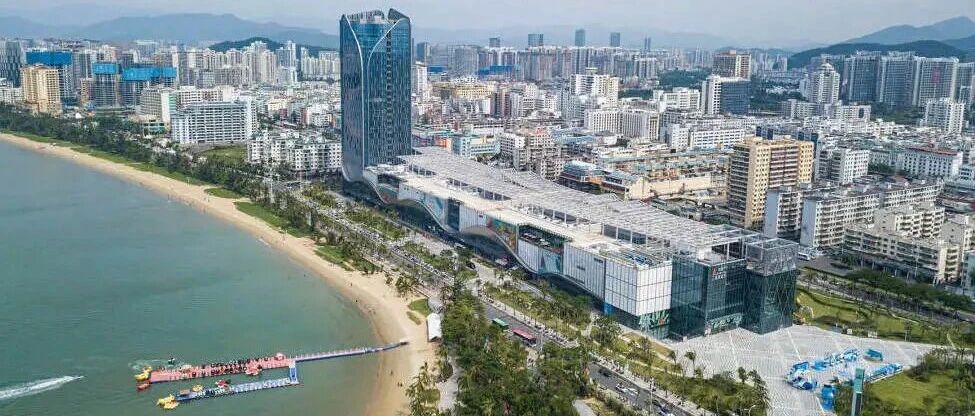
穿越“半价豪车”迷雾 海南封关会否改变中国汽车产业版图?
2 1 Shi Ji Jing Ji Bao Dao· 2025-12-29 13:44
Core Viewpoint - The launch of the Hainan Free Trade Port's full island closure operation has made it the largest free trade port globally, but the benefits of the zero-tariff policy on imported vehicles primarily target operational enterprises rather than individual consumers [1][4]. Summary by Sections Zero-Tariff Policy Implementation - The zero-tariff policy for vehicles and yachts was established on December 25, 2020, allowing only registered transportation and tourism enterprises in Hainan to import vehicles under specific conditions [2]. - The range of zero-tariff goods has expanded significantly from approximately 1,900 to about 6,600 tax items, covering 74% of all goods [2]. Eligibility and Restrictions - Only vehicles registered for operational use by eligible enterprises can benefit from the zero-tariff policy, which includes strict conditions such as the requirement for vehicles to be used for legal operations and to have a satellite positioning system [3][4]. - Enterprises must meet specific criteria, such as owning at least 15 operational vehicles or importing a minimum of 15 vehicles at once, and the vehicles must be registered for operational purposes [3]. Market Reactions and Misconceptions - The public's excitement over the prospect of purchasing luxury cars at significantly reduced prices reflects a misunderstanding of the policy's actual beneficiaries, which are primarily businesses rather than individual consumers [5][6]. - The emergence of gray market activities, such as "zero-tariff car" purchases through unofficial channels, poses legal and financial risks for individuals [6]. Industrial Opportunities - The closure operation is expected to lead to a structural reduction in supply chain costs, benefiting automotive manufacturers by lowering import tariffs on key components, which can reduce production costs by 18%-20% [7]. - The policy aims to create a "cluster highland" for the automotive industry, with tax incentives for registered operational enterprises, offering a lower corporate tax rate of 15% compared to the mainland's 25% [7][8]. New Energy Vehicle Development - The intersection of the zero-tariff policy and Hainan's plan to ban the sale of fuel vehicles by 2030 is expected to boost the new energy vehicle sector, with significant growth in the number of electric vehicles in the province [8][9]. - Hainan is becoming a testing ground for innovative policies in the new energy vehicle sector, with various initiatives to enhance infrastructure and support for electric vehicles [9]. Strategic Corporate Moves - Companies like CATL are making significant investments in Hainan, with plans to establish numerous battery swap stations and engage in renewable energy projects [10]. - BMW is also planning to use Hainan as a testing ground for hydrogen fuel cell vehicles, indicating the region's growing importance in the automotive innovation landscape [11]. Regional Economic Role - Hainan's role is shifting from a marginal position in China's automotive industry to a dual hub connecting mainland China and Southeast Asia, facilitating lower-cost imports and efficient exports [12]. - The "export tax rebate" policy in Hainan provides a competitive advantage for domestic automotive manufacturers looking to enter international markets [12]. Policy Innovation and Future Implications - The zero-tariff environment in Hainan serves as a "policy laboratory" for exploring new regulatory frameworks and international standards in the automotive sector [12]. - The overall impact of the zero-tariff policy is expected to reshape the competitive landscape of the automotive industry in China, fostering a comprehensive ecosystem that integrates manufacturing, logistics, and innovation [12].