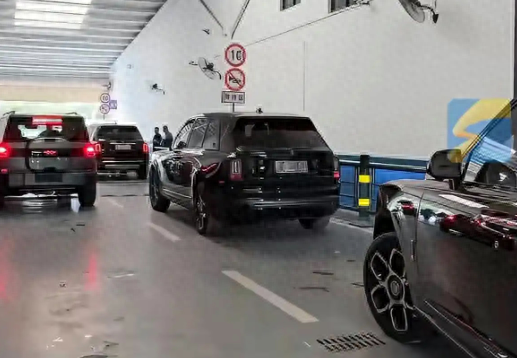
丰田海狮13座商务车

Search documents
为何个人去海南买不到半价豪车
21世纪经济报道· 2025-12-29 14:42
Core Viewpoint - The launch of the Hainan Free Trade Port marks a significant shift in the automotive industry, with zero-tariff policies primarily benefiting operational enterprises rather than individual consumers, leading to a restructured automotive supply chain and industry landscape in China [1][7][16]. Summary by Sections Zero-Tariff Policy and Its Implications - The zero-tariff policy for vehicles in Hainan has been in place since December 2020, allowing only registered transportation and tourism enterprises to import vehicles under this scheme [3]. - The range of zero-tariff goods has expanded significantly from about 1,900 to approximately 6,600 items, covering 74% of all goods, with a shift from a positive list to a negative list management approach [5]. - The effective tax rate on imported vehicles, which previously included tariffs, VAT, and consumption tax, could be as high as 40% or more, is now eliminated for qualifying vehicles [5][6]. Target Audience of the Policy - The zero-tariff vehicle policy is strictly aimed at registered transportation companies, tourism service providers, and specific institutional entities, excluding individual consumers from its benefits [7][9]. - The policy's design follows a "one line open, two lines controlled" principle, allowing tax-free imports within Hainan while maintaining tax regulations for vehicles entering the mainland [6][7]. Opportunities for the Automotive Industry - The zero-tariff policy is expected to structurally reduce supply chain costs, with potential savings of 15%-20% on key components like electric vehicle batteries, leading to an overall production cost reduction of 18%-20% [11]. - Hainan aims to become a hub for automotive industry clustering, with tax incentives such as a 15% corporate income tax rate for qualifying enterprises, significantly lower than the mainland's 25% [11][12]. - The intersection of the zero-tariff policy and Hainan's plan to ban fuel vehicles by 2030 is expected to boost the electric vehicle sector, with a current ownership rate of 21.86% for electric vehicles, surpassing the national average [12][13]. Strategic Developments and Collaborations - Companies like Ningde Times are making significant investments in Hainan, including plans for numerous battery swap stations and collaborations on renewable energy projects [13][14]. - BMW is also exploring hydrogen fuel cell technology in Hainan, indicating the region's role as a testing ground for innovative automotive technologies [14]. Regional Economic Transformation - Hainan's role is shifting from a peripheral position in China's automotive landscape to a dual hub connecting mainland China and Southeast Asia, facilitating lower-cost imports and efficient exports [15]. - The "port of departure tax refund" policy enhances the efficiency of exporting domestic vehicles, particularly to Southeast Asia, by reducing the time and cost of logistics [15]. Policy Innovation and Future Outlook - Hainan is positioned as a "policy laboratory" for innovative regulatory frameworks in the automotive sector, exploring new models for balancing convenience and safety, aligning international standards, and implementing differentiated industrial policies [15][16]. - The overall impact of the zero-tariff policy is expected to reshape the competitive landscape of the automotive industry in China, potentially elevating Hainan's status as a key player in the transition towards high-end and international automotive markets [16].

穿越“半价豪车”迷雾 海南封关会否改变中国汽车产业版图?
2 1 Shi Ji Jing Ji Bao Dao· 2025-12-29 13:44
Core Viewpoint - The launch of the Hainan Free Trade Port's full island closure operation has made it the largest free trade port globally, but the benefits of the zero-tariff policy on imported vehicles primarily target operational enterprises rather than individual consumers [1][4]. Summary by Sections Zero-Tariff Policy Implementation - The zero-tariff policy for vehicles and yachts was established on December 25, 2020, allowing only registered transportation and tourism enterprises in Hainan to import vehicles under specific conditions [2]. - The range of zero-tariff goods has expanded significantly from approximately 1,900 to about 6,600 tax items, covering 74% of all goods [2]. Eligibility and Restrictions - Only vehicles registered for operational use by eligible enterprises can benefit from the zero-tariff policy, which includes strict conditions such as the requirement for vehicles to be used for legal operations and to have a satellite positioning system [3][4]. - Enterprises must meet specific criteria, such as owning at least 15 operational vehicles or importing a minimum of 15 vehicles at once, and the vehicles must be registered for operational purposes [3]. Market Reactions and Misconceptions - The public's excitement over the prospect of purchasing luxury cars at significantly reduced prices reflects a misunderstanding of the policy's actual beneficiaries, which are primarily businesses rather than individual consumers [5][6]. - The emergence of gray market activities, such as "zero-tariff car" purchases through unofficial channels, poses legal and financial risks for individuals [6]. Industrial Opportunities - The closure operation is expected to lead to a structural reduction in supply chain costs, benefiting automotive manufacturers by lowering import tariffs on key components, which can reduce production costs by 18%-20% [7]. - The policy aims to create a "cluster highland" for the automotive industry, with tax incentives for registered operational enterprises, offering a lower corporate tax rate of 15% compared to the mainland's 25% [7][8]. New Energy Vehicle Development - The intersection of the zero-tariff policy and Hainan's plan to ban the sale of fuel vehicles by 2030 is expected to boost the new energy vehicle sector, with significant growth in the number of electric vehicles in the province [8][9]. - Hainan is becoming a testing ground for innovative policies in the new energy vehicle sector, with various initiatives to enhance infrastructure and support for electric vehicles [9]. Strategic Corporate Moves - Companies like CATL are making significant investments in Hainan, with plans to establish numerous battery swap stations and engage in renewable energy projects [10]. - BMW is also planning to use Hainan as a testing ground for hydrogen fuel cell vehicles, indicating the region's growing importance in the automotive innovation landscape [11]. Regional Economic Role - Hainan's role is shifting from a marginal position in China's automotive industry to a dual hub connecting mainland China and Southeast Asia, facilitating lower-cost imports and efficient exports [12]. - The "export tax rebate" policy in Hainan provides a competitive advantage for domestic automotive manufacturers looking to enter international markets [12]. Policy Innovation and Future Implications - The zero-tariff environment in Hainan serves as a "policy laboratory" for exploring new regulatory frameworks and international standards in the automotive sector [12]. - The overall impact of the zero-tariff policy is expected to reshape the competitive landscape of the automotive industry in China, fostering a comprehensive ecosystem that integrates manufacturing, logistics, and innovation [12].
穿越“半价豪车”迷雾,海南封关会否改变中国汽车产业版图?
2 1 Shi Ji Jing Ji Bao Dao· 2025-12-29 13:06
Core Insights - Hainan Free Trade Port officially launched its full island closure operation, becoming the world's largest free trade port, leading to significant price reductions on luxury cars, sparking public interest in cross-sea car purchases [2] - The zero-tariff policy primarily benefits operational enterprises and specific institutions rather than individual consumers, indicating a focus on industrial upgrades and restructuring rather than consumer market stimulation [2][4] Policy and Implementation - The zero-tariff policy for vehicles was established on December 25, 2020, allowing only registered transportation and tourism enterprises in Hainan to import vehicles under specific conditions [3] - The range of zero-tariff items expanded from approximately 1,900 to about 6,600, covering 74% of all commodity tax items, with a shift from a positive list to a negative list management approach [3] Eligibility and Restrictions - To qualify for zero-tariff imports, enterprises must either operate 15 or more vehicles for over three years or import at least 15 qualifying vehicles at once, with strict usage conditions [4] - Zero-tariff vehicles must be registered for operational use, limiting their lifespan to 15 years and imposing restrictions on transfer and usage [4][5] Economic Impact - The zero-tariff policy significantly reduces the cost structure for supply chains, with potential savings of 15%-20% on key components like electric vehicle batteries, leading to an 18%-20% reduction in overall production costs [6][7] - The policy aims to create a "cluster highland" for the automotive industry, attracting enterprises with lower corporate tax rates and fostering a complete ecosystem of manufacturers and service providers [7] Strategic Developments - Hainan's policies align with the province's goal to ban the sale of fuel vehicles by 2030, promoting the growth of the new energy vehicle sector [8] - Companies like CATL are making significant investments in Hainan, indicating a strong commitment to developing the region as a hub for renewable energy and electric vehicle infrastructure [9] Regional Role and Innovation - Hainan is positioned to become a dual hub connecting mainland China and Southeast Asia, facilitating lower-cost imports and exports of vehicles and components [10][11] - The region serves as a "policy laboratory" for innovative regulatory frameworks, aiming to balance convenience and safety while aligning with international standards [11][12] Conclusion - The true impact of Hainan's closure on the automotive industry lies in its potential to reshape competitive dynamics, creating a comprehensive ecosystem that integrates manufacturing, logistics, services, and innovation [12]

海南封关买40克金饰省1万?网友:订机票!
Xin Lang Cai Jing· 2025-12-22 05:22
Core Viewpoint - The recent implementation of the "zero tariff" policy for imported vehicles in Hainan has generated significant public interest, particularly regarding its implications for consumers and businesses [3][5][10]. Group 1: Zero Tariff Policy for Imported Vehicles - The "zero tariff" policy allows eligible imported vehicles to be exempt from customs duties, value-added tax, and consumption tax, significantly reducing vehicle prices [3][5]. - For example, a Toyota Hiace valued at 227,000 yuan had tax exemptions of approximately 84,000 yuan, resulting in a price reduction of nearly 40% [3][5]. - However, this policy is limited to enterprises engaged in transportation and tourism in Hainan, and personal purchases are not permitted [5][6]. Group 2: Conditions for Eligibility - Vehicles must be used for operations and equipped with satellite positioning systems connected to regulatory networks [6]. - The vehicle's origin and destination must include at least one location within the Hainan Free Trade Port, and it must not stay in mainland China for more than 120 days annually [6][8]. - Enterprises must meet specific criteria, such as operating for over three years with a fleet of at least 15 vehicles or importing more than ten "zero tariff" vehicles at once [6][8]. Group 3: Consumer Impact and Market Response - The introduction of the "zero tariff" policy has led to a surge in consumer interest, with many looking to book flights to Hainan [10][15]. - The Hainan government is also distributing consumer vouchers, which can further reduce prices on various products, including gold and electronics [10][12]. - For instance, a 40-gram gold ornament can save consumers over 8,000 yuan when combined with government vouchers [10][12]. Group 4: Tourism and Travel Trends - Flight bookings to Hainan have increased significantly, with over 720,000 tickets sold for the upcoming New Year holiday, marking a 10% year-on-year growth [15][17]. - Popular routes include flights from Beijing, Chengdu, and Shanghai, with some tickets exceeding 2,000 yuan [17][47]. - The international flight bookings to Hainan have also seen a notable increase, with a 40% rise in international ticket reservations for the holiday period [17][47]. Group 5: Broader Implications of Hainan's Free Trade Port - The full closure of Hainan's Free Trade Port aims to create a special customs area, enhancing trade and travel convenience [20][52]. - The policy allows for a broader range of zero-tariff goods, expanding from 21% to 74%, covering over 6,600 products [53][54]. - The initiative is expected to boost economic opportunities and attract international resources, positioning Hainan as a significant hub for trade and tourism [28][60].

“海南封关120多万元卡宴只要60万元”?最新解读
Sou Hu Cai Jing· 2025-12-22 02:56
Group 1 - The "zero tariff" import policy for vehicles in Hainan is only applicable to enterprises engaged in transportation and tourism, not individual consumers [2][3] - The policy allows eligible imported vehicles to be exempt from customs duties, value-added tax, and consumption tax, significantly reducing vehicle prices; for example, a Toyota Hiace valued at 227,000 yuan had tax exemptions of approximately 84,000 yuan, resulting in a nearly 40% price reduction [2] - Enterprises must meet specific criteria to qualify for the policy, including having at least 15 operational vehicles for over three years or importing a minimum of 15 zero-tariff vehicles at once [3] Group 2 - The vehicles purchased under the "zero tariff" policy are subject to strict regulations, including being registered for operational use only, with a mandatory scrapping period of 15 years [3] - Any transfer of the zero-tariff vehicles requires approval from customs, and if transferred to non-eligible entities, taxes must be repaid [3] - On December 18, Sanya reported impressive duty-free sales, with total sales reaching 118 million yuan, reflecting a 60% increase in customer traffic and an 85% increase in sales year-on-year, showcasing the positive impact of the closure policy on the consumer market [4]

海南封关后,120多万的保时捷卡宴只卖60多万?销售:个人无法购买
Sou Hu Cai Jing· 2025-12-22 02:20
Core Insights - The Hainan Free Trade Port will officially implement a "zero tariff" policy for imported vehicles starting December 18, 2025, significantly reducing vehicle prices and attracting public interest [2][3] Group 1: Policy Implementation - The "zero tariff" policy exempts qualifying imported vehicles from customs duties, value-added tax, and consumption tax, leading to substantial price reductions [2] - An example from 2021 shows that a Toyota Hiace valued at 227,000 yuan had tax exemptions of approximately 84,000 yuan, resulting in a nearly 40% price drop [2] Group 2: Eligibility and Regulations - The policy applies only to vehicles used for transportation and tourism by companies, which must have at least 15 operational vehicles for over three years or import a minimum of 15 zero-tariff vehicles at once [2] - Vehicles must be equipped with satellite positioning systems and must not stay in mainland China for more than 120 days annually [2] Group 3: Market Impact - Following the implementation, Sanya's duty-free sales exceeded 1 billion yuan within three days, with daily sales reaching 118 million yuan on the first day and showing significant year-on-year growth of 45.8% and 47% on subsequent days [3] - On the first day of the policy, customs reported 360 million yuan worth of "zero tariff" goods, primarily including crude oil, aviation equipment, and medical devices, indicating an expanding openness in trade [3]
“海南封关120多万卡宴只要60万”?最新解读
Sou Hu Cai Jing· 2025-12-21 13:52
Core Viewpoint - The implementation of the "zero tariff" policy for imported vehicles in Hainan Free Trade Port has generated significant interest among consumers, although the policy is limited to enterprises engaged in transportation and tourism, not individual buyers [1][5]. Group 1: Policy Details - The "zero tariff" policy allows eligible imported vehicles to be exempt from customs duties, value-added tax, and consumption tax, significantly reducing vehicle prices [3]. - For example, a Toyota Hiace valued at 227,000 yuan had tax exemptions of approximately 84,000 yuan, resulting in a price reduction of nearly 40% [3]. - The policy is applicable only to enterprises that meet specific criteria, such as having at least 15 operational vehicles for over three years or importing a minimum of 15 zero-tariff vehicles at once [5]. Group 2: Restrictions on Purchases - Individual consumers are not permitted to purchase zero-tariff vehicles; only enterprises can benefit from the policy [5]. - Vehicles must be used for operational purposes and must have a satellite positioning system connected to regulatory systems [5]. - There are strict limitations on the transfer of ownership, with vehicles registered as operational and subject to a 15-year scrapping rule [5]. Group 3: Market Impact - The implementation of the zero tariff policy has positively impacted the consumption market, as evidenced by Sanya's duty-free sales reaching 118 million yuan, with a 60% increase in customer footfall and an 85% rise in sales year-on-year [6].
海南封关后,保时捷卡宴、宝马X5便宜几十万元?可以买,但条件很严格
Mei Ri Jing Ji Xin Wen· 2025-12-21 10:32
Core Viewpoint - The implementation of the "zero tariff" policy for imported vehicles in Hainan has generated significant public interest, with substantial price reductions for luxury cars, although the policy primarily benefits businesses rather than individual consumers [1][5]. Group 1: Policy Implementation - Hainan's "zero tariff" policy for imported vehicles officially took effect on December 18, allowing significant price reductions, such as a BMW X5 dropping from 600,000 yuan to 350,000 yuan and a Porsche Cayenne priced at over 1.2 million yuan now available for around 600,000 yuan [1]. - The policy exempts qualifying imported vehicles from customs duties, value-added tax, and consumption tax, leading to substantial price decreases [5]. Group 2: Eligibility and Restrictions - The "zero tariff" policy is limited to enterprises engaged in transportation and tourism in Hainan, requiring vehicles to be used for operations and equipped with satellite positioning systems [7]. - Companies must own at least 15 operational vehicles for over three years or import a minimum of 15 zero-tariff vehicles at once to qualify for the policy [7][10]. - Vehicles must also have a starting or destination point within the Hainan Free Trade Port and cannot stay in mainland China for more than 120 days per year [9]. Group 3: Consumer Impact - Although individuals cannot directly purchase zero-tariff vehicles, they may benefit indirectly through lower rental prices from local car rental companies that acquire these vehicles [11]. - There is a warning against fraudulent schemes claiming to facilitate the purchase of zero-tariff vehicles for individuals, as these transactions are likely to be scams [12]. Group 4: Market Response - On the first day of the Hainan Free Trade Port's full closure, the duty-free market in Sanya showed strong performance, with sales reaching 118 million yuan and a 60% increase in customer traffic [12]. - Customs reported 360 million yuan worth of zero-tariff goods, primarily including crude oil, aviation equipment, and medical devices, indicating a growing openness in trade [12].

“海南封关120多万卡宴只要60万”冲上热搜,是真的吗?
Xin Lang Cai Jing· 2025-12-21 10:30
Core Viewpoint - The implementation of the "zero tariff" policy for imported vehicles in Hainan Free Trade Port has generated significant public interest, with substantial price reductions for luxury cars attracting attention [3][10]. Group 1: Policy Implementation - Hainan's "zero tariff" policy for imported vehicles officially took effect on December 18, allowing for significant price reductions, such as a BMW X5 dropping from 600,000 to 350,000 yuan and a Porsche Cayenne from over 1.2 million to around 600,000 yuan [3][10]. - The policy exempts qualifying imported vehicles from customs duties, value-added tax, and consumption tax, leading to substantial price decreases [5][12]. Group 2: Eligibility and Restrictions - The "zero tariff" policy is only applicable to enterprises engaged in transportation and tourism within Hainan, and personal consumers are not eligible to purchase these vehicles [6][14]. - Vehicles must be used for operational purposes, equipped with satellite positioning systems, and must not exceed 120 days of stay outside Hainan each year [7][14]. - Companies must meet specific criteria, such as owning at least 15 operational vehicles for over three years or importing a minimum of 15 zero-tariff vehicles at once [7][14]. Group 3: Market Impact - The sales performance in Sanya on December 18 was notable, with total duty-free sales reaching 118 million yuan, and foot traffic in Sanya International Duty-Free City exceeding 36,000 visitors, reflecting a year-on-year increase of over 60% [7][14].

120多万卡宴只卖60万!海南自贸港“零关税”进口车政策落地,不适用于个人消费
Xin Lang Cai Jing· 2025-12-21 09:22
Core Viewpoint - The recent implementation of the "zero tariff" policy for imported vehicles in Hainan has generated significant public interest, particularly due to the substantial price reductions on luxury cars, although the policy is not applicable to individual consumers [1][4]. Group 1: Policy Implementation - Hainan's "zero tariff" policy for imported vehicles officially took effect on December 18, allowing for significant price reductions on luxury cars, such as a Porsche Cayenne originally priced at over 1.2 million yuan now available for around 600,000 yuan [1][3]. - The policy exempts qualifying imported vehicles from customs duties, value-added tax, and consumption tax, leading to substantial price drops; for example, a Toyota Hiace valued at 227,000 yuan had tax exemptions totaling approximately 84,000 yuan, resulting in a nearly 40% price reduction [3][4]. Group 2: Eligibility and Restrictions - The "zero tariff" policy is exclusively available to enterprises engaged in transportation and tourism within Hainan, with strict conditions such as the requirement for vehicles to be used for operations and to have satellite tracking systems [4]. - Companies must either have a fleet of at least 15 operational vehicles for over three years or import a minimum of 15 zero-tariff vehicles at once to qualify for the policy [4]. - Even for eligible enterprises, there are stringent restrictions on vehicle transferability, operational registration, and time spent outside Hainan, with vehicles needing to be registered for operational use and subject to a 15-year scrappage rule [4]. Group 3: Market Impact - Following the announcement of the zero tariff policy, Sanya's duty-free sales surged, with total sales reaching 118 million yuan, and a 60% increase in customer footfall at Sanya International Duty-Free City, indicating a strong positive impact on the local consumer market [5].