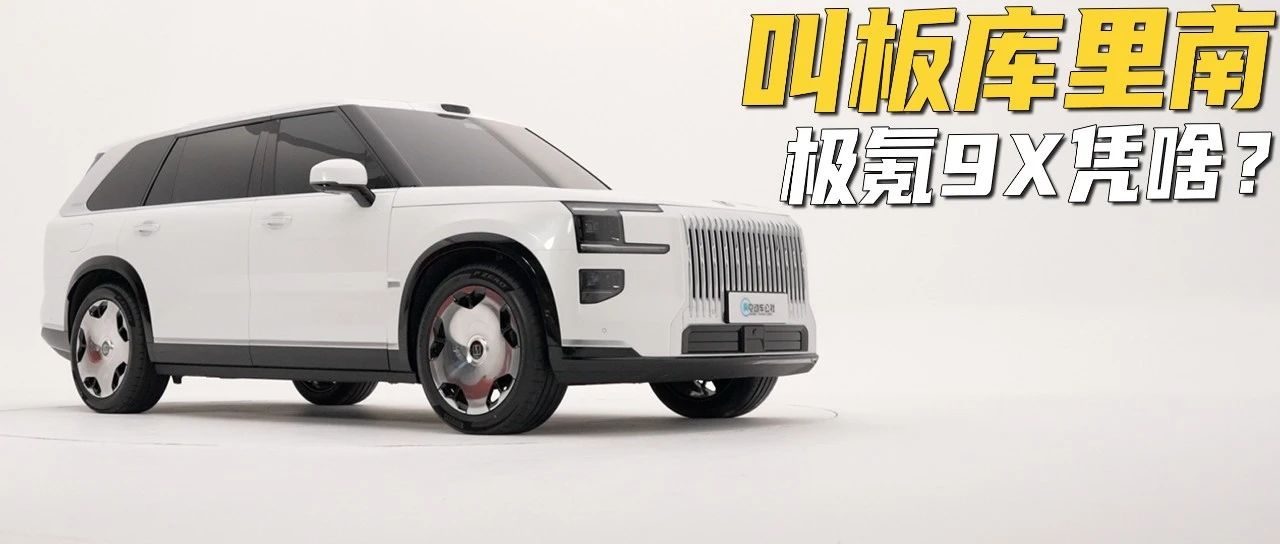
库里南

Search documents
为何个人去海南买不到半价豪车
21世纪经济报道· 2025-12-29 14:42
Core Viewpoint - The launch of the Hainan Free Trade Port marks a significant shift in the automotive industry, with zero-tariff policies primarily benefiting operational enterprises rather than individual consumers, leading to a restructured automotive supply chain and industry landscape in China [1][7][16]. Summary by Sections Zero-Tariff Policy and Its Implications - The zero-tariff policy for vehicles in Hainan has been in place since December 2020, allowing only registered transportation and tourism enterprises to import vehicles under this scheme [3]. - The range of zero-tariff goods has expanded significantly from about 1,900 to approximately 6,600 items, covering 74% of all goods, with a shift from a positive list to a negative list management approach [5]. - The effective tax rate on imported vehicles, which previously included tariffs, VAT, and consumption tax, could be as high as 40% or more, is now eliminated for qualifying vehicles [5][6]. Target Audience of the Policy - The zero-tariff vehicle policy is strictly aimed at registered transportation companies, tourism service providers, and specific institutional entities, excluding individual consumers from its benefits [7][9]. - The policy's design follows a "one line open, two lines controlled" principle, allowing tax-free imports within Hainan while maintaining tax regulations for vehicles entering the mainland [6][7]. Opportunities for the Automotive Industry - The zero-tariff policy is expected to structurally reduce supply chain costs, with potential savings of 15%-20% on key components like electric vehicle batteries, leading to an overall production cost reduction of 18%-20% [11]. - Hainan aims to become a hub for automotive industry clustering, with tax incentives such as a 15% corporate income tax rate for qualifying enterprises, significantly lower than the mainland's 25% [11][12]. - The intersection of the zero-tariff policy and Hainan's plan to ban fuel vehicles by 2030 is expected to boost the electric vehicle sector, with a current ownership rate of 21.86% for electric vehicles, surpassing the national average [12][13]. Strategic Developments and Collaborations - Companies like Ningde Times are making significant investments in Hainan, including plans for numerous battery swap stations and collaborations on renewable energy projects [13][14]. - BMW is also exploring hydrogen fuel cell technology in Hainan, indicating the region's role as a testing ground for innovative automotive technologies [14]. Regional Economic Transformation - Hainan's role is shifting from a peripheral position in China's automotive landscape to a dual hub connecting mainland China and Southeast Asia, facilitating lower-cost imports and efficient exports [15]. - The "port of departure tax refund" policy enhances the efficiency of exporting domestic vehicles, particularly to Southeast Asia, by reducing the time and cost of logistics [15]. Policy Innovation and Future Outlook - Hainan is positioned as a "policy laboratory" for innovative regulatory frameworks in the automotive sector, exploring new models for balancing convenience and safety, aligning international standards, and implementing differentiated industrial policies [15][16]. - The overall impact of the zero-tariff policy is expected to reshape the competitive landscape of the automotive industry in China, potentially elevating Hainan's status as a key player in the transition towards high-end and international automotive markets [16].

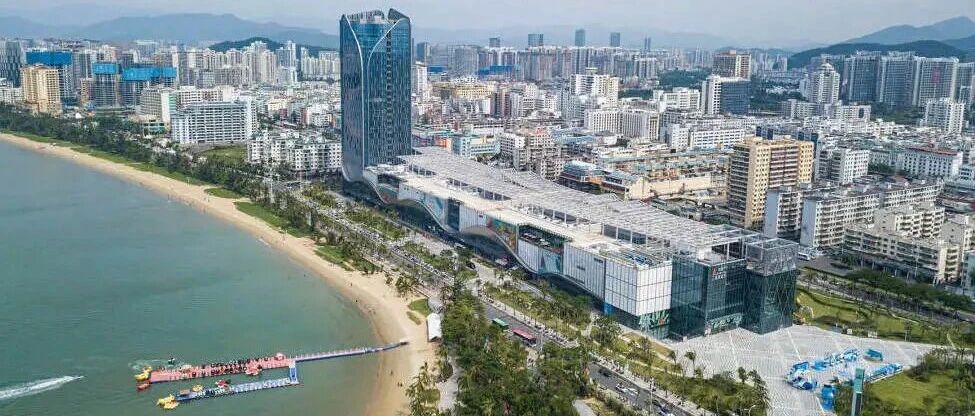
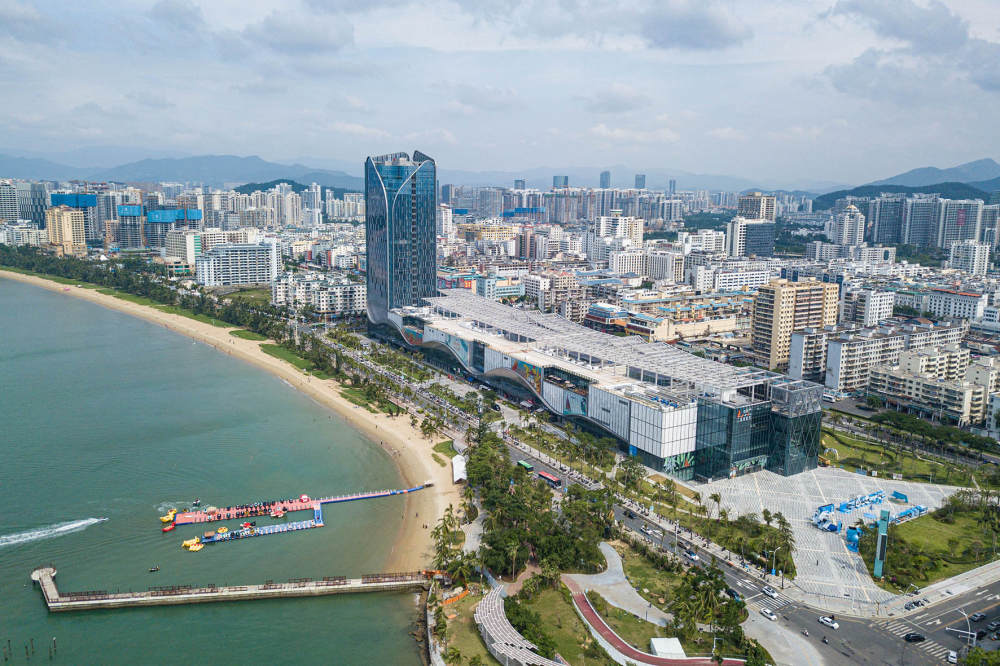
穿越“半价豪车”迷雾,海南封关会否改变中国汽车产业版图?
2 1 Shi Ji Jing Ji Bao Dao· 2025-12-29 13:06
Core Insights - Hainan Free Trade Port officially launched its full island closure operation, becoming the world's largest free trade port, leading to significant price reductions on luxury cars, sparking public interest in cross-sea car purchases [2] - The zero-tariff policy primarily benefits operational enterprises and specific institutions rather than individual consumers, indicating a focus on industrial upgrades and restructuring rather than consumer market stimulation [2][4] Policy and Implementation - The zero-tariff policy for vehicles was established on December 25, 2020, allowing only registered transportation and tourism enterprises in Hainan to import vehicles under specific conditions [3] - The range of zero-tariff items expanded from approximately 1,900 to about 6,600, covering 74% of all commodity tax items, with a shift from a positive list to a negative list management approach [3] Eligibility and Restrictions - To qualify for zero-tariff imports, enterprises must either operate 15 or more vehicles for over three years or import at least 15 qualifying vehicles at once, with strict usage conditions [4] - Zero-tariff vehicles must be registered for operational use, limiting their lifespan to 15 years and imposing restrictions on transfer and usage [4][5] Economic Impact - The zero-tariff policy significantly reduces the cost structure for supply chains, with potential savings of 15%-20% on key components like electric vehicle batteries, leading to an 18%-20% reduction in overall production costs [6][7] - The policy aims to create a "cluster highland" for the automotive industry, attracting enterprises with lower corporate tax rates and fostering a complete ecosystem of manufacturers and service providers [7] Strategic Developments - Hainan's policies align with the province's goal to ban the sale of fuel vehicles by 2030, promoting the growth of the new energy vehicle sector [8] - Companies like CATL are making significant investments in Hainan, indicating a strong commitment to developing the region as a hub for renewable energy and electric vehicle infrastructure [9] Regional Role and Innovation - Hainan is positioned to become a dual hub connecting mainland China and Southeast Asia, facilitating lower-cost imports and exports of vehicles and components [10][11] - The region serves as a "policy laboratory" for innovative regulatory frameworks, aiming to balance convenience and safety while aligning with international standards [11][12] Conclusion - The true impact of Hainan's closure on the automotive industry lies in its potential to reshape competitive dynamics, creating a comprehensive ecosystem that integrates manufacturing, logistics, services, and innovation [12]

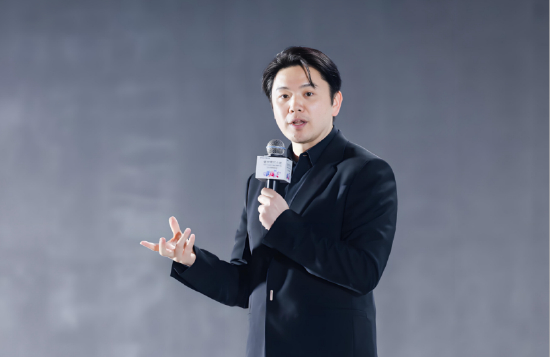
周鸿祎:过去企业家盲目崇拜劳斯莱斯,但智能性真不如国产车
Xin Lang Ke Ji· 2025-09-24 08:52
Core Insights - The discussion between Luo Yonghao and Zhou Hongyi highlighted the changing perceptions of luxury cars among entrepreneurs, emphasizing a shift from traditional luxury brands to domestic brands focusing on technology and digital capabilities [1] Group 1: Changing Consumer Preferences - Entrepreneurs are increasingly willing to purchase domestic cars, such as those from Huawei, Geely's Zeekr, BYD's Yangwang U8, and BAIC's Xiangjie, indicating a shift in consumer attitudes towards local brands [1] - The focus has shifted from mere luxury to aspects like comfort, technological advancement, digital integration, and driver assistance features in vehicles [1]
独家|追觅CEO“放狠话”:造车PK理想,手机跟华为小米“三分天下”
Xin Lang Ke Ji· 2025-09-18 01:53
Core Viewpoint - Chasing Technology is actively entering the automotive industry, planning to launch its first ultra-luxury electric vehicle by 2027, targeting the Bugatti Veyron as a benchmark [2] Group 1: Automotive Strategy - Chasing Technology holds weekly votes on car design proposals, indicating a strong commitment to refining vehicle aesthetics since late 2024 [2] - The automotive division is split into two brands: Chasing Automotive, focusing on Bugatti-like models, and Starry Sky Automotive, targeting models comparable to Cullinan and Bentley [2][4] - The CEO emphasizes that the Bugatti-like model will have both electric and range-extended versions, with a debut at the CES in the US by the end of the year [3] Group 2: Team and Talent Acquisition - A cross-industry talent team has been assembled, including core R&D personnel from smart hardware and traditional automotive manufacturing experts [3] - Chasing Technology has opened various positions on job platforms, indicating serious intentions in the automotive sector [3] Group 3: Product Development and Pricing - The CEO has outlined plans for a Bentley-like model with a wheelbase of 3.2m, with four configurations priced between 269,900 to 589,900 CNY, directly competing with Ideal and Aito models [6][7] - The D10 model is planned with a larger wheelbase, aiming for a higher price segment, with a potential price increase of at least 100,000 CNY due to the extended dimensions [7] Group 4: Manufacturing and Supply Chain - Chasing Technology has announced a partnership with BNP Paribas to build a factory in Germany, strategically located near Tesla's Berlin Gigafactory, benefiting from a robust supply chain [9] Group 5: Intellectual Property and Market Position - As of the end of 2024, Chasing Technology has filed 6,379 patents globally, with 45% being invention patents in key areas of electric vehicle technology [11] - The company has reported significant growth in its mobile phone business, aiming to compete with Huawei and Xiaomi in the high-end market [12] Group 6: Future Plans and IPO Strategy - Chasing Technology plans to expand into various sectors, including home appliances, with the goal of becoming a comprehensive multi-business company [14] - The CEO has indicated that multiple business units will be prepared for IPOs on global exchanges starting from the end of next year [14]
独家|追觅CEO俞浩内部“放狠话”:造车PK理想,手机跟华为小米“三分天下”
Xin Lang Ke Ji· 2025-09-18 00:40
Core Viewpoint - Chasing Technology is actively entering the automotive sector, planning to launch its first ultra-luxury electric vehicle by 2027, which will compete with the Bugatti Veyron [2] Group 1: Automotive Strategy - Chasing Technology's founder and CEO, Yu Hao, is deeply committed to the automotive venture, dividing the car business into two brands: Chasing Automotive and Starry Sky Automotive [3] - The Chasing Automotive brand aims to develop models that directly compete with Bugatti, with internal naming as "Chasing-Bugatti," offering both electric and range-extended versions [4] - The company has established a cross-industry talent team for automotive development, including experts from traditional vehicle manufacturing and core personnel from its smart hardware business [4] Group 2: Product Development - The company has conducted 38 rounds of design voting for vehicle styling, indicating a serious commitment to refining the car's appearance since late 2024 [3] - The planned models include a 3.2m wheelbase Bentley competitor with four configurations, priced between 269,900 to 589,900 yuan, aimed at outperforming competitors like Ideal Auto [7] - The first model, targeting the Bugatti segment, is set to debut at the CES exhibition in the U.S. at the end of the year [4] Group 3: Manufacturing and Partnerships - Chasing Automotive has announced a partnership with BNP Paribas to build a factory in Germany, strategically located near Tesla's Berlin Gigafactory, benefiting from a robust supply chain [9] - The company has applied for 6,379 patents globally, with 45% being invention patents covering key areas in electric vehicle technology [11] Group 4: Market Positioning - Chasing Technology has reported significant growth, with 2025's first-half revenue exceeding the total for 2024, indicating a strong market position [12] - The company aims to establish itself alongside Huawei and Xiaomi in the high-end smartphone market, focusing on premium products priced above 5,000 yuan [12] - The brand MOVA is also set to expand into major appliances and electronics, aiming to surpass competitors like Roborock and Ecovacs [14]

2.0T 3电机4驱、5激光雷达、6C超充、48V主动防倾杆!极氪9X真能叫板库里南?
电动车公社· 2025-08-23 15:39
Group 1 - The automotive industry is experiencing a surge in the launch of large three-row SUVs in the second half of the year, with notable models including the Leidao L90, NIO ES8, and the newly pre-sold Geely Galaxy M9, among others [1] - Upcoming models such as the Zeekr 9X, Zhiji LS9, Chery Fengyun T11, and Jietu Zongheng G700 are all around 5.2 meters in length, emphasizing spaciousness as a competitive feature [1] - These vehicles are equipped with advanced technologies, exemplified by the Zeekr 9X, which features a 48V active stabilizer, the world's first five-laser radar-assisted driving, hybrid megawatt electric drive, and 6C ultra-fast charging battery [2] Group 2 - The performance of the new flagship model from Zeekr is under scrutiny, particularly in a competitive market filled with various alternatives [4] - The introduction of cutting-edge technology in these vehicles aims to challenge established luxury models like the Cullinan [5]