青少年肥胖治疗

Search documents
破局“青少年肥胖”难题 信达生物发布最新研究成果
Jing Ji Guan Cha Wang· 2025-12-15 06:08
Core Viewpoint - Chinese innovative pharmaceutical company Innovent Biologics (01801.HK) announced that its self-developed GCG/GLP-1 dual receptor agonist, Ma Shidu Peptide, achieved its primary endpoint in Phase Ib clinical trials among the adolescent obesity population in China [1] Group 1: Clinical Research Findings - The study showed significant reductions in body mass index (BMI) and weight after 12 weeks of treatment with Ma Shidu Peptide, along with comprehensive improvements in multiple metabolic indicators [1] - The initial results in adolescents mirrored the strong weight loss and metabolic improvement characteristics observed in adult studies, providing a solid scientific basis for further clinical development [1] Group 2: Market Implications - With the ongoing research, Ma Shidu Peptide is expected to address the lack of local innovative drugs for adolescent obesity patients in China [1]
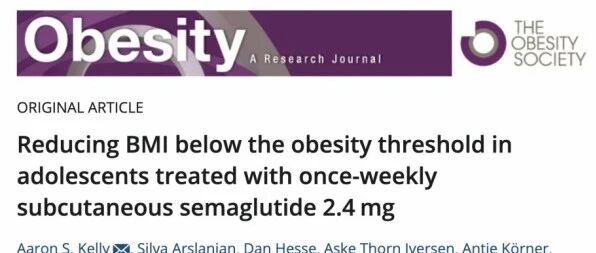
司美格鲁肽让近半数青少年解除肥胖,3/4减少一个BMI类别
GLP1减重宝典· 2025-12-11 03:34
Core Viewpoint - The article discusses the increasing prevalence of obesity among adolescents globally and highlights the approval of semaglutide as a treatment option for this demographic, emphasizing its effectiveness in reducing BMI and improving health outcomes [5][13][25]. Group 1: Adolescent Obesity Statistics - Global adolescent obesity rates have increased tenfold since 1975, with over 124 million children and adolescents affected by obesity as of 2016 [6]. - In China, the adolescent obesity rate was reported at 18.3% in 2019, ranking it among the highest in Asia [6]. - Adolescent obesity is linked to long-term health issues such as hypertension, high cholesterol, diabetes, and mental health problems, exacerbated by modern lifestyle factors [6]. Group 2: Semaglutide Approval and Clinical Trials - Semaglutide, a GLP-1 receptor agonist, was approved by the FDA in December 2022 as the first medication for treating obesity in adolescents [5][8]. - The STEP TEENS trial demonstrated that adolescents receiving semaglutide experienced a 16.1% reduction in BMI over 68 weeks, while the placebo group saw a 0.6% increase [9][25]. - 73% of adolescents in the semaglutide group lost 5% or more of their body weight compared to 18% in the placebo group [9]. Group 3: Safety and Adverse Events - The adverse events reported in the STEP TEENS trial were similar to those observed in adults, with gastrointestinal disorders being the most common [11]. - 62% of participants in the semaglutide group reported gastrointestinal issues, and there was a higher incidence of gallbladder problems and low blood pressure compared to adults [11]. Group 4: Future Developments in Pediatric Obesity Treatment - Pharmaceutical companies are exploring treatments for younger patients, with Eli Lilly testing tirzepatide in children aged 6 and older, and Novo Nordisk investigating liraglutide for the same age group [18][21]. - There is a growing demand among parents and young patients for effective obesity medications, especially given the rising obesity rates among children [22][24]. Group 5: Clinical Outcomes and Significance - The STEP TEENS trial results indicate that semaglutide significantly improves BMI categories, with 44.9% of participants achieving a normal or overweight BMI category compared to 12.1% in the placebo group [16][25]. - The likelihood of achieving a BMI category improvement was 23.5 times higher for those receiving semaglutide compared to the placebo group [25].