非虚构写作

Search documents
清欢自在书间
Xin Lang Cai Jing· 2026-01-30 11:27
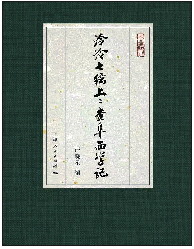
Group 1 - The article discusses three notable books published in the second half of 2025, highlighting their significance in literature and cultural heritage [2][4][5] - "Ling Ling Seven Strings: A Study of Zha Fuxi" is a commemorative collection marking the 130th anniversary of the renowned guqin master Zha Fuxi, emphasizing his contributions to the preservation and transmission of guqin music [2][3] - "My Heart Desires a More Adventurous Life" by W. Somerset Maugham is described as a reflective work summarizing his life and writing, emphasizing the importance of travel in his creative process and personal growth [4] - "Paris Review: Non-Fiction Writer Interviews" features interviews with seventeen non-fiction writers, discussing the craft of writing and the distinction between non-fiction and fiction, with insights from Pulitzer Prize winners [5][6] Group 2 - The book on Zha Fuxi includes analyses of his guqin artistry compared to contemporaries, highlighting his unique style that emphasizes emotional depth and philosophical content [3] - Maugham's reflections reveal his belief in the necessity of travel for writers, as it allows for the collection of diverse experiences and materials that enrich their narratives [4] - The interviews in the "Paris Review" provide valuable perspectives on literary criticism, emphasizing the transient nature of critical power and the long-term evaluation of artistic works [5][6]

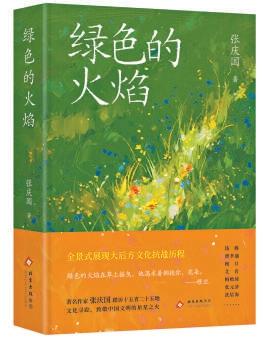
《绿色的火焰》:这些微光汇聚成大后方文化火炬
Bei Jing Ri Bao Ke Hu Duan· 2025-11-17 07:28
Core Viewpoint - The book "Green Flame" by Zhang Qingguo offers a unique perspective on the cultural resilience during the Anti-Japanese War, focusing on the intellectuals' commitment to preserving civilization amidst chaos, rather than the conventional military narratives [3][4][10] Summary by Sections Historical Context and Methodology - The author constructs a dual verification system of "historical evidence + on-site verification," emphasizing a profound respect for history and a meticulous approach to research [4][5] - The author undertook extensive field investigations across 15 provinces and 25 locations, adhering to the principle of visiting every site mentioned, which enriched the narrative with tangible experiences [5][6] Shift from Event History to Life History - The narrative transitions from "event history" to "life history," centering on individual experiences and cultural persistence rather than merely chronicling events [6][7] - The portrayal of cultural figures like Mu Dan and Qian Mu highlights their personal struggles and contributions, emphasizing the human aspect of historical narratives [6][7] Symbolism of "Green Flame" - The metaphor of "green flame" serves as a central theme, symbolizing the resilience of culture and the indomitable spirit of intellectuals during wartime [8][9] - The evolution of "green flame" from individual sparks to a collective torch illustrates the enduring nature of cultural heritage amidst adversity [8][9] Contemporary Relevance - The book's insights extend beyond historical documentation, prompting reflections on contemporary cultural preservation and the role of individuals in safeguarding cultural legacies [10] - It challenges the notion of cultural preservation as mere nostalgia, advocating for an active engagement with cultural identity in the face of modern challenges [10]
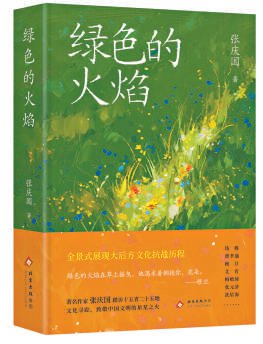
这些微光汇聚成大后方文化火炬
Bei Jing Ri Bao Ke Hu Duan· 2025-11-13 22:55
Core Perspective - The book "Green Flame" by Zhang Qingguo offers a unique perspective on the cultural front during the Anti-Japanese War, focusing on the intellectuals' commitment to civilization rather than the battlefield [2][3] Summary by Sections Historical Verification - The author employs a dual verification system of "historical evidence + on-site verification," enhancing the narrative's depth and authenticity [3][4] - The meticulous research involved studying over a million words of historical materials and biographies to establish a solid historical foundation [2][3] Field Investigation - The author conducted field investigations across 15 provinces and 25 locations, adhering to the principle of visiting every place mentioned in the text [3][4] - These experiences transformed historical facts into tangible emotional connections, enriching the narrative with lived experiences [3][5] Shift from Event History to Life History - The narrative transitions from a focus on grand historical events to the personal lives of cultural figures, emphasizing their daily struggles and resilience [4][5] - This approach highlights the interconnectedness of individual fates and cultural survival, creating a spiritual link between personal and national identity [5][6] Construction of the "Green Flame" Metaphor - The metaphor of "Green Flame" symbolizes the enduring spirit of culture amidst adversity, representing both the vitality of life and the fervor of resistance [6][7] - The evolution of this metaphor reflects the journey from individual sparks of inspiration to a collective cultural torch, illuminating the resilience of civilization [6][7] Contemporary Relevance of Historical Reflection - The book serves as a profound reminder of the importance of cultural preservation in contemporary society, urging readers to reflect on how to safeguard cultural legacies in peacetime [8][9] - It challenges the notion of cultural preservation as mere nostalgia, advocating for a dynamic understanding of culture as a living force that confronts challenges head-on [8][9]
一位工作狂女孩重新回到了寨子
Di Yi Cai Jing· 2025-09-12 02:48
Core Perspective - The article highlights the personal growth journey of Zha Shiyi Re, who reflects on her upbringing in a rural Yi ethnic village in Yunnan, documenting the lives of women in her community through her writing [1][6][19]. Group 1: Personal Background - Zha Shiyi Re was born in 1990 in a remote, underdeveloped Yi village in Yunnan, characterized by a lack of basic amenities such as running water and medical facilities [3]. - She began learning Mandarin at the age of 7 and eventually pursued higher education, becoming the first female college student from her village [3]. - After graduating, she worked as a journalist for over eight years, covering social news and engaging in undercover investigations [3]. Group 2: Writing Journey - Zha's unexpected viral article about a "bathing lesson" she received in college led to her first non-fiction book, "I Grew Up in the Village" [1][6]. - Her writing serves as a means of self-healing, allowing her to confront past traumas and reflect on her experiences [6][12]. - The book captures the essence of rural life without romanticizing or vilifying it, presenting a balanced view of her upbringing [11][19]. Group 3: Family Influence - Zha describes her parents as having a "free-range" parenting style, with a strong emphasis on education, particularly from her father, who was strict but also a role model [7][9]. - Her relationship with her mother evolved over time, leading to a deeper understanding and acceptance of her mother's struggles and resilience [12][16]. Group 4: Return to Roots - After years of urban life, Zha returned to her village, finding solace in the predictability and peace of rural living, contrasting it with the chaos of city life [9][14]. - She emphasizes the importance of nature in her life, which has become a source of stability and inspiration for her writing [9][14]. Group 5: Reader Connection - Zha's writing resonates with readers, as many find common ground in her experiences of familial relationships, personal growth, and reflections on marriage [19]. - The emotional impact of her work has led to connections with readers, fostering a sense of shared experience and healing [19].