
音乐

Search documents
自带BGM的人
Xin Lang Cai Jing· 2026-02-22 02:32
Core Viewpoint - The article explores the deep connection between music and daily life, illustrating how music serves as a backdrop to various activities and emotions, enhancing experiences and providing comfort. Group 1: Daily Commute and Music - The commute from the subway station to the office is described as an 11-minute ride on a shared bicycle, emphasizing the importance of music in setting the tone for the day [4] - Specific songs are highlighted for their motivational qualities during the commute, such as "Live Forever" by Oasis and "We Are The Champions" by Queen, which help to energize and prepare for the workday [5] Group 2: Lunch and Music Preferences - During lunch, the choice of music shifts to bands like The Cure and Red Hot Chili Peppers, which provide a soothing background despite the noisy environment [7] - The article mentions the therapeutic effect of certain songs, particularly during stressful times, showcasing how music can help manage emotions and provide solace [7] Group 3: Music as a Personal Identity - The narrative reflects on the author's journey of self-discovery through music, highlighting the significance of songs that resonate with personal experiences and emotions [11] - The article discusses the transformative power of music, illustrating how it can create a sense of belonging and understanding in a chaotic world [12] Group 4: Music in Different Contexts - The article describes how music varies in significance depending on the context, such as during short trips or long journeys, with different genres providing the appropriate atmosphere [9] - It emphasizes the role of music in enhancing travel experiences, with specific artists and songs mentioned that evoke feelings of freedom and joy [9]


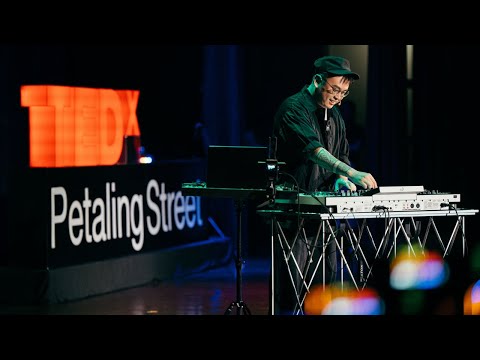
Life is Remix: DJ 技巧、精神与启发 Technique, Spirit & Inspiration of DJ | 张和顺 DJ Point | TEDxPetalingStreet
TEDx Talks· 2026-02-06 15:56
“只要你还有心跳,你就可以去做你想做的事情。” 从懵懂的中学生,到嘻哈团体成员、酒吧老板,再到马来西亚首位 DJ 讲师,DJ Point 的人生就像一张张黑胶,不断被 Remix。 音乐,把他从一个只会弹《Zombie》的少年,带进了电音、嘻哈与教育的世界。 对他来说,DJ 不是夜店的标签,也不只是 “按 Button” 的工作。它是一门专业——要读懂音乐历史,要感受观众的情绪,要随时调控现场能量,让每一个人都能从中找到共鸣。 DJ Point 相信,音乐无界限,它能连接人群的频率,也能把梦想打进生活的节拍~ “As long as your heart is still beating, you can go after the things you dream of.” From a curious schoolboy to hip-hop crew member, bar owner, and eventually Malaysia’s first DJ lecturer, DJ Point’s life has unfolded like a vinyl record, constantly remi ...
东汉蔡邕:被政治裹挟的天才艺术家
Jing Ji Guan Cha Bao· 2026-01-06 03:22
Core Viewpoint - Cai Yong, a talented artist of the Eastern Han Dynasty, was deeply affected by the political turmoil of his time, which shaped his artistic expression and career path [1][4]. Group 1: Background and Early Life - Cai Yong was born in 133 AD in Chenliu, from a family with a rich cultural heritage, which influenced his character and education [1]. - His father, Cai Ling, was known for his integrity and moral character, while his mother came from a prominent family, contributing to his scholarly upbringing [1]. Group 2: Political Engagement and Disillusionment - At the age of 27, Cai Yong was summoned to the capital to perform music, which he found humiliating as he preferred to be recognized for his scholarly achievements [2]. - His journey to the capital revealed the stark contrast between the suffering of the common people and the extravagance of the court, leading him to express his frustrations through poetry [2]. - After a brief political career, Cai Yong chose to return to his hometown, where he dedicated nearly a decade to academic pursuits and self-cultivation [2][3]. Group 3: Later Political Struggles - Cai Yong eventually entered officialdom at the age of 38 but faced severe repercussions for his outspoken criticism of corrupt officials, leading to imprisonment and exile [3][4]. - His time in exile was marked by hardship but also creativity, resulting in the legendary story of the "焦尾琴" (Burnt Tail Zither) [3]. Group 4: Musical Contributions - Cai Yong's most notable work, "琴操" (Qin Operas), is recognized as the first systematic treatise on Qin music in Chinese history, emphasizing the moral and philosophical dimensions of music [5][6]. - He collected and documented over fifty Qin pieces, providing insights into their historical and cultural significance [6]. Group 5: Instrument Craftsmanship - Cai Yong was not only a performer but also a skilled instrument maker, creating notable instruments like the "焦尾琴" and "柯亭笛" (Ke Ting Flute), which were celebrated for their unique sounds [7][8]. - His contributions to music included the creation of a precise tuning device known as "蔡邕铜籥" (Cai Yong's Bronze Tuning Pipe), which became a standard in court music [9]. Group 6: Artistic Integration - Cai Yong's artistic talents extended beyond music to include calligraphy and painting, where he applied principles of rhythm and harmony found in music to his visual art [10][11]. - His calligraphy style, "飞白书" (Fei Bai Script), was noted for its dynamic and rhythmic qualities, reflecting his musical background [10]. Group 7: Legacy and Influence - Cai Yong's daughter, Cai Wenji, inherited his musical talent and continued the family legacy, showcasing the enduring impact of his artistic philosophy [14]. - Despite the challenges he faced, Cai Yong's commitment to beauty and truth in art has left a lasting legacy, influencing future generations of artists and musicians [14].
歌声里
Ren Min Ri Bao· 2025-09-26 23:31
Group 1 - The article reflects on the deep-rooted musical culture in Beijing, highlighting the presence of various traditional music forms such as 京胡, 京韵大鼓, and 曲艺 in everyday life [1][2] - It discusses the evolution of music education and participation in singing competitions from elementary school to high school, emphasizing the increasing complexity of songs performed [2][3] - The narrative includes personal anecdotes about learning and performing significant Chinese songs, particularly《黄水谣》, which embodies traditional aesthetics and patriotic sentiments [3] Group 2 - The article illustrates the importance of music as a form of personal expression and cultural connection, suggesting that engaging with music can be a comforting and enriching experience [3]
当多邻国开始“玩”音乐
3 6 Ke· 2025-08-13 02:01
Core Viewpoint - Duolingo is expanding into the music education sector through the acquisition of the London-based music game startup NextBeat, aiming to enhance its music course offerings and gamify the learning experience [1][3]. Company Strategy - Duolingo has experienced significant growth since its founding in 2011, leveraging gamification, social mechanisms, and user incentives to maintain a low user entry barrier while generating stable cash flow through a "free + ads + premium" business model [3]. - In 2023, Duolingo launched music and math courses, marking its first major expansion beyond language learning, utilizing gamified formats to provide engaging learning experiences [3]. - The partnership with Sony Music in 2024 will integrate over 60 songs from renowned artists into Duolingo's music courses, allowing users to learn music theory through popular music [5]. Market Trends - The music education market is projected to be more lucrative than traditional entertainment, with the total market size for music education training in China expected to exceed 155.48 billion yuan in 2024, surpassing the combined revenue of the music performance and digital music industries [25]. - The global immersive training market is anticipated to grow from approximately $16.4 billion in 2024 to $69.5 billion by 2030, with a compound annual growth rate of 28.3% [24]. Industry Dynamics - The integration of music, gaming, and education is becoming increasingly recognized as a powerful combination, with successful examples like Ubisoft's Rocksmith+ demonstrating the effectiveness of this model in enhancing user skills [16][18]. - The gaming industry is facing challenges in innovation, which presents new opportunities for education and music sectors to collaborate and create engaging learning experiences [28]. - The commercial potential of music content is growing, with diverse monetization strategies such as subscription models and classroom licensing becoming more prevalent [28][31]. Future Outlook - The combination of music, gaming, and education is not a fixed relationship but a flexible model that can yield unexpected synergies, emphasizing the need for deep exploration in areas like copyright compliance and quality of education to ensure long-term success [33]. - The advancement of technologies such as VR, AR, and AI is expected to revolutionize the integration of music, gaming, and education, making learning more engaging and personalized [34].

百事的胆子太肥了
半佛仙人· 2025-07-17 10:53
Core Viewpoint - The article emphasizes the vitality and aspirations of the younger generation, highlighting their passion for music as a means of expression and connection [4][6][30]. Group 1: Youth Characteristics - The younger generation is often misunderstood, with criticisms labeling them as lacking ambition or resilience, while in reality, they are proactive and determined [2][3][4]. - Despite appearing passive, young people are actively engaging in various pursuits, such as fitness and education, demonstrating their drive and ambition [5][8]. - The emotional struggles expressed by young people are rooted in their vibrant energy and hope for the future [6][7][9]. Group 2: Role of Music - Music serves as a powerful outlet for young people's emotions, allowing them to articulate their feelings and aspirations during times of confusion [14][15]. - The article expresses gratitude towards music for providing a voice to the youth, enabling them to celebrate their successes and express their struggles [13][14]. - Pepsi's involvement in music, particularly through initiatives like "Pepsi Campus Strongest Voice," reflects an understanding of the emotional depth and desires of young people [16][18][28]. Group 3: Pepsi's Engagement - The "Pepsi Campus Strongest Voice" event has been running for twelve years, showcasing young talent and providing a platform for their dreams [20][21]. - The introduction of innovative elements, such as a humanoid robot, signifies Pepsi's commitment to engaging with the youth culture in a modern and relatable way [22][23]. - The lyrics from the theme song of the event encapsulate the essence of youth aspirations, emphasizing the importance of desire and action in achieving dreams [24][25][28]. Group 4: Reflection on Youth - The article reflects on the transient nature of youth and the lasting impact of experiences, suggesting that even if individuals do not pursue music professionally, the memories of their youthful expressions remain significant [36][37][38]. - The journey of self-discovery and the realization of one's desires are portrayed as essential aspects of personal growth [41][42].

从台北到哈尔滨:台湾小提琴手的音乐“双城记”
Xin Hua Wang· 2025-05-06 01:29
Core Viewpoint - The article highlights the journey of Taiwanese violinist Li Tianxuan, who has successfully integrated into the cultural scene of Harbin, China, showcasing the vibrant music exchange between Taiwan and mainland China [1][2][3] Group 1: Artist Background - Li Tianxuan, born in Taipei, comes from a musical family, with influences from his grandmother and father, leading him to initially study piano before switching to the violin [1] - He pursued advanced studies at Taiwan Normal University and Berklee College of Music in the United States, later returning to Taipei as a freelance musician [2] Group 2: Career Development - The limited opportunities in Taipei's orchestras prompted Li to seek positions in mainland China, leading him to apply for the Harbin Symphony Orchestra's global recruitment in 2019, where he successfully secured a position [2] - His first experience of Harbin's extreme winter weather was striking, but he found warmth in the city's vibrant music scene, which includes a century-old symphony orchestra and high-level music academies [2] Group 3: Cultural Contributions - Li Tianxuan has become an integral part of Harbin's cultural landscape, participating in various music festivals and performances across multiple venues [3] - In June 2023, he co-founded the "Ink" chamber music group, aiming to promote diverse musical styles and represent Harbin on a national level [3] - Despite being far from home, Li feels a connection to Harbin, having previously seen exhibitions related to the city in Taipei, indicating a cultural bond between the two locations [3]