音乐教育

Search documents
人工智能赋能钢琴音乐教育发展
Xin Hua Ri Bao· 2026-02-04 23:07
Core Viewpoint - The rapid development of intelligent technologies, particularly artificial intelligence, is significantly enhancing piano music education in higher education institutions, fostering innovation and deepening educational practices in piano music creation, performance, and teaching [1]. Group 1: Enrichment of Piano Music Resources - Intelligent technologies are being utilized to enhance piano music resources through the integration of multimedia devices and teaching software, facilitating the intelligent transformation of piano music education [2]. - A shared platform for piano music resources is being established, allowing teachers to access and distribute teaching materials, performance videos, and analytical content, maximizing resource utilization [2]. - The system analyzes students' learning levels and interests, enabling personalized resource allocation based on their specific learning needs [2]. Group 2: Improvement of Piano Playing Techniques - Deep learning technologies are being employed to create models that help students understand the semantic representation of piano music and improve their composition skills [4]. - A hand gesture recognition system is designed to identify and correct students' playing mistakes, providing real-time feedback on their finger positioning and technique [4]. - Historical data modules track students' playing errors and progress, allowing for targeted improvement and personalized practice plans [4]. Group 3: Creation of Virtual Environments for Practice - Virtual reality and augmented reality technologies are being used to simulate real performance environments, enhancing students' practical experience in piano music [5]. - The system generates automatic accompaniments, allowing students to engage in online ensemble practices and competitions, thereby improving their performance skills and stage presence [5]. - Personalized feedback is provided through visual cues during practice, helping students refine their techniques and understand high-level performance standards [5][6]. Group 4: Human-Machine Collaboration in Evaluation - A collaborative evaluation mechanism combining artificial intelligence and professional teachers is being established to assess students' comprehensive musical abilities [7]. - The system tracks various performance metrics and learning behaviors, providing a detailed analysis of students' strengths and areas for improvement [7][8]. - Teachers play a crucial role in emotional support and qualitative assessment, focusing on students' understanding, collaboration, and creativity in music [7][8].
一代代香山人在沪书写传奇
Xin Lang Cai Jing· 2026-01-30 07:17
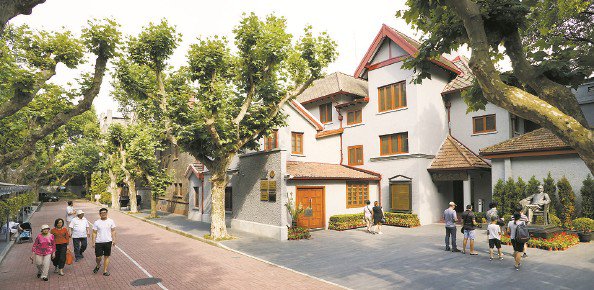
Historical Context - The article discusses the historical significance of Xiangshan Road in Shanghai, which connects the cultural and economic histories of Shanghai and Xiangshan, Guangdong [2] - Xiangshan County was established in 1152, while Shanghai became a county in 1292, marking the beginning of their respective historical narratives [2] Economic Development - Xiangshan merchants played a crucial role in Shanghai's economic development during the early days of the foreign concessions, with notable figures like Xu Rongcun achieving recognition at the 1851 London Expo [3] - Xu Rongcun's entrepreneurial journey led to the establishment of significant businesses, including the first insurance company in China and a major tea export business [3] Industrial Contributions - Tang Tingshu, another prominent Xiangshan figure, reformed the China Merchants Steam Navigation Company, turning it into the largest shipping enterprise in China [4] - The article highlights the contributions of Xiangshan entrepreneurs to modern Chinese industry, including the establishment of coal mines and railways [4] Cultural Influence - The article notes a shift in the role of Xiangshan individuals in Shanghai during the Republic of China era, with more involvement in cultural and educational fields [5] - Notable contributions include the founding of the National Conservatory of Music by composer Xiao Youmei, which became a significant institution for modern Chinese music education [5] Publishing and Film Industry - Wang Yunwu's achievements in publishing, including the creation of the "Wanyou Library" and innovations in Chinese character indexing, are highlighted as significant cultural contributions [6] - The impact of Xiangshan individuals in the film industry is also noted, with figures like actress Ruan Lingyu and director Zheng Junli shaping the cinematic landscape of Shanghai [6] Mutual Influence - The relationship between Xiangshan and Shanghai is characterized as mutually beneficial, with Xiangshan's entrepreneurs contributing to Shanghai's modernization and cultural richness [7] - The article emphasizes the interconnectedness of the two regions, illustrating how their histories and developments are intertwined, reflecting broader national progress [7]

【活动动态】热烈祝贺东莞宏阳推荐企业专场挂牌仪式成功举办
Xin Lang Cai Jing· 2026-01-28 10:09
Core Viewpoint - The event held at the Guangdong Equity Exchange Center marked the listing ceremony for enterprises recommended by Dongguan Hongyang, highlighting the importance of regional equity markets in connecting companies with higher-level capital markets [2][36]. Group 1: Event Overview - The listing ceremony attracted over 110 attendees, including key leaders from the Guangdong Equity Exchange Center and Dongguan Hongyang Industrial Group [2][36]. - The Deputy General Manager of the Guangdong Equity Exchange Center expressed gratitude to supporting institutions and congratulated the listed companies, emphasizing the center's development and the importance of collaboration for mutual growth [2][36]. Group 2: Company Presentations - CEOs from listed companies, including Guangdong Precision Medical Technology Co., Ltd., Guangdong Jiafu Digital Technology Co., Ltd., and Dongguan Fenfei Electronics Co., Ltd., presented their main business operations, product features, and future strategic plans [7][41]. - Guangdong Precision Medical Technology Co., Ltd. focuses on high-quality medical device manufacturing, aiming to become a global leader in the industry [18][52]. - Guangdong Jiafu Digital Technology Co., Ltd. is dedicated to the digital transformation of the housekeeping industry, creating an O2O ecosystem to support small entrepreneurs [20][54]. - Dongguan Fenfei Electronics Co., Ltd. specializes in the research and manufacturing of electronic device connection cables, with a strong emphasis on quality and customer satisfaction [22][56]. Group 3: Institutional Support - Dongguan Hongyang Ke Rong Enterprise Management Co., Ltd. serves as a recommending institution for the listed companies, aiming to empower enterprises and facilitate their journey in the capital market [5][39]. - The Guangdong Equity Exchange Center aims to create a leading regional equity market with significant influence and competitiveness, supporting companies in achieving their development goals [11][45].

音乐教学中审美心理与感知能力培养路径
Xin Lang Cai Jing· 2026-01-27 21:02
Core Viewpoint - The integration of aesthetic education into the national education system emphasizes the importance of music teaching as a means to cultivate students' aesthetic literacy and comprehensive perception abilities, transcending mere skill transmission [1] Group 1: Aesthetic Psychological Mechanism - The aesthetic psychological structure serves as a psychological intermediary that facilitates the relationship between students and aesthetic objects, highlighting the need for bidirectional interaction in music teaching to enhance students' perception of beauty [2] - Teachers can design interactive processes that combine theoretical and appreciation courses, allowing students to experience differences in musical harmony through practical examples [2] Group 2: Emotional Resonance and Contextual Learning - Utilizing contextual teaching and life experiences, teachers can extend musical emotions from the works themselves to everyday life, fostering deep emotional resonance among students [3] - By employing immersive listening experiences and emotional mapping tasks, students can connect music with personal narratives, enriching their aesthetic psychology [3] Group 3: Expanding Perceptual Boundaries - Students' perception of music involves a complex cognitive process, necessitating the activation of various brain regions related to auditory processing and emotional experience [4] - Multi-sensory immersive activities can enhance students' understanding of music by integrating auditory and visual elements, allowing for a broader cultural appreciation [4][5] Group 4: Interdisciplinary Learning Networks - Creating interdisciplinary learning networks enables students to interpret music from multiple cognitive dimensions, enhancing their overall understanding and appreciation of musical works [5] - Collaborative projects across subjects can help students articulate their musical experiences and insights, reinforcing the connection between different fields of study [5] Group 5: Innovative Evaluation Models - Traditional evaluation methods in music education often overlook the developmental process of students' aesthetic cognition and perception abilities, necessitating a shift towards process-oriented assessments [6] - Implementing a theme-based progressive task chain can deepen students' exploration of music while tracking their growth through personalized assessment tools [7]
上海音乐学院敞开校园,送上新年第一份艺术惊喜
Xin Lang Cai Jing· 2026-01-01 12:38
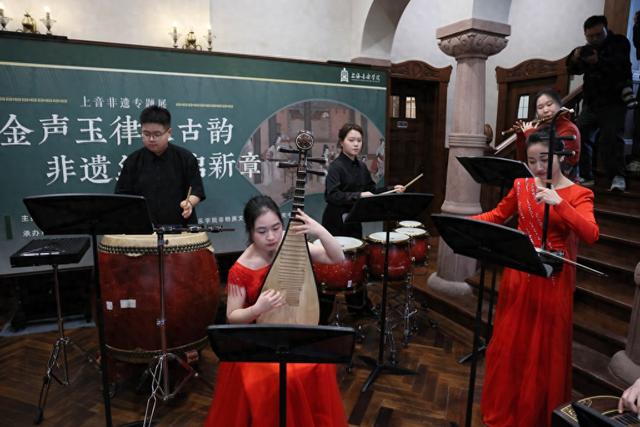
Group 1 - The core event of the New Year celebration in Shanghai featured a music flash mob performance titled "Celebration," showcasing traditional Chinese music and engaging the audience [1][3] - The performance was composed by a student from the Shanghai Conservatory of Music, inspired by warm moments in urban life, and aimed to depict the festive spirit of the New Year [3] - The event included various activities such as music flash mobs, instrument exhibitions, and music classes, promoting the integration of art into the city's culture [1][5] Group 2 - The "Hua Xia Qi Yun" New Year special exhibition at the Oriental Musical Instruments Museum highlighted the development of Chinese musical civilization through three exhibition halls [5] - The museum collaborated with the Shanghai Conservatory of Music's AI lab and the Shanghai Planetarium to create an innovative experience combining traditional instruments with AI technology [5] - Visitors expressed surprise at the integration of traditional instruments with modern technology, enhancing their appreciation of ethnic music [5] Group 3 - Eighteen student volunteers provided professional guidance for various exhibitions, including the "120th Anniversary of Xian Xinghai" and "Hua Xia Qi Yun" [7][8] - The volunteers underwent systematic training to prepare for their roles, emphasizing the educational aspect of sharing stories about music and culture [8] - The volunteer program is seen as an essential part of talent cultivation, encouraging students to develop their ideals and skills through community service [12] Group 4 - The "Big Hand Holding Small Hand" music class allowed student volunteers to teach basic music pieces to 12 primary and secondary school students, fostering community engagement [10] - The initiative attracted attention from parents and the public, highlighting the importance of music education and personalized teaching methods [10] - Over the past five years, the student volunteer service team has engaged 3,260 students, providing over 2,000 service sessions to nearly 80,000 participants [12]
央音化隆党建共建音乐教育润泽乡土
Xin Lang Cai Jing· 2025-12-31 21:06
Core Viewpoint - The collaboration between the Central Conservatory of Music and Huadong County aims to enhance music education and promote high-quality aesthetic education as part of rural revitalization efforts [1] Group 1: Event Overview - From December 22 to 23, 2025, a team from the Central Conservatory of Music will conduct music teaching and exchange activities in Huadong County [1] - This initiative is a significant step in deepening the partnership between local education and the Central Conservatory of Music, focusing on the practical implementation of aesthetic education in rural areas [1] Group 2: Educational Initiatives - The "Music Specialty Class" is a key component of the talent cultivation innovation project by the Central Conservatory of Music in Huadong [1] - The program includes core courses such as piano teaching, sight-singing, and vocal training, delivered through face-to-face demonstrations and one-on-one guidance [1] Group 3: Community Engagement - The music concert during the New Year 2025 will feature performances by the teacher team alongside local students, enhancing community engagement [1] - The involvement of faculty and students from the Central Conservatory of Music in local cultural events fosters a deep integration of quality music resources with local culture [1] Group 4: Future Plans - Huadong County plans to continue its collaboration with the Central Conservatory of Music through various forms of teaching guidance, faculty training, and artistic practice [1] - The goal is to provide high-quality music education to more rural children, leveraging aesthetic education to empower rural revitalization [1]
CCTV《艺术传承》《艺术名家》栏目联合授予风华国韵“中国音乐文化研学基地”称号
Sou Hu Wang· 2025-12-29 14:07
Core Viewpoint - The article highlights the collaboration between authoritative media and professional social forces in promoting the transmission of Chinese traditional culture, exemplified by the establishment of the "China Music Culture Research Base" by CCTV's programs [1][3]. Group 1: Media and Cultural Policy - The initiative is part of a broader national policy encouraging social participation in cultural development, with mainstream media platforms playing a significant role in integration and leadership [1]. - The selection process for the research base involved a comprehensive evaluation of various institutions with solid foundations in music education, research, and dissemination [1]. Group 2: Company Achievements - Fenghua Guoyun Cultural Co., Ltd. was awarded the designation due to its long-term exploration in modernizing and innovating Chinese music education [3]. - The company aims to create a new paradigm in art education by gathering global artist resources and focusing on systematic courses and cultural research projects [3]. Group 3: Future Plans - The leadership of Fenghua Guoyun expressed intentions to deepen cooperation across various sectors, leveraging the "China Music Culture Research Base" platform [5]. - Future projects will focus on youth music education, professional talent cultivation, and international cultural exchanges, aiming to explore effective paths for the transmission and innovation of traditional culture [5].

钢琴教育家格拉夫曼去世 为郎朗恩师
Xin Lang Cai Jing· 2025-12-28 08:06
Core Viewpoint - The article highlights the passing of Gary Graffman, a renowned classical pianist and educator, who significantly influenced global classical music education and taught many prominent pianists, including Lang Lang [1] Group 1: Impact on Music Education - Gary Graffman was a pivotal figure in piano education, serving as a teacher, artistic director, and dean at the Curtis Institute of Music [1] - His teaching methods were effective and immediately applicable, allowing students to experience significant improvements in their playing [1] - Graffman emphasized the importance of individual interpretation in music, encouraging students to explore various styles and techniques [1] Group 2: Notable Students - Prominent pianists such as Lang Lang, Yuja Wang, Zhang Haochen, and Luo Wei were among Graffman's students, showcasing his influence on the next generation of musicians [1] - Lang Lang recalled how Graffman's guidance helped him develop a deeper understanding of culture and music, highlighting the personal impact of Graffman's teaching [1] - Zhang Haochen chose Graffman as his teacher due to his extensive knowledge and the humanistic care he provided, which fostered independent thinking in his students [1] Group 3: Insights on Chinese Students - Graffman noted that there is no significant difference between Chinese piano students and those from other countries, but acknowledged the abundance of talented Chinese students [1] - He valued both talent and potential when selecting students, often favoring younger candidates who could benefit from more time to absorb knowledge [1] - Graffman advised young musicians to cherish their youth, emphasizing that talent is crucial for becoming a master, but opportunities favor those who are prepared [1]
格拉夫曼去世,他是郎朗王羽佳张昊辰的恩师
Xin Lang Cai Jing· 2025-12-28 06:02
Group 1 - Gary Graffman, a renowned classical pianist and educator, passed away at the age of 97, leaving a significant impact on global classical music education [1] - Graffman served as a teacher, artistic director, and dean at the Curtis Institute of Music, where he influenced many prominent pianists, including Lang Lang, Wang Yujia, Zhang Haochen, and Luo Wei [1] - His teaching style emphasized individual expression and creativity, allowing students to explore various interpretations of music [4][11] Group 2 - Graffman had a notable teaching philosophy that respected students' individuality, fostering independent thinking rather than imposing strict preferences [11] - He recognized the potential of young Chinese piano students, noting their talent and rapid learning capabilities, which he valued in his selection process [13] - Graffman encouraged students to cherish their youth and emphasized that talent is crucial for becoming a master, but opportunities favor those who are prepared [13]
钢琴教育家格拉夫曼去世,他是郎朗王羽佳张昊辰的恩师
Xin Lang Cai Jing· 2025-12-28 02:55
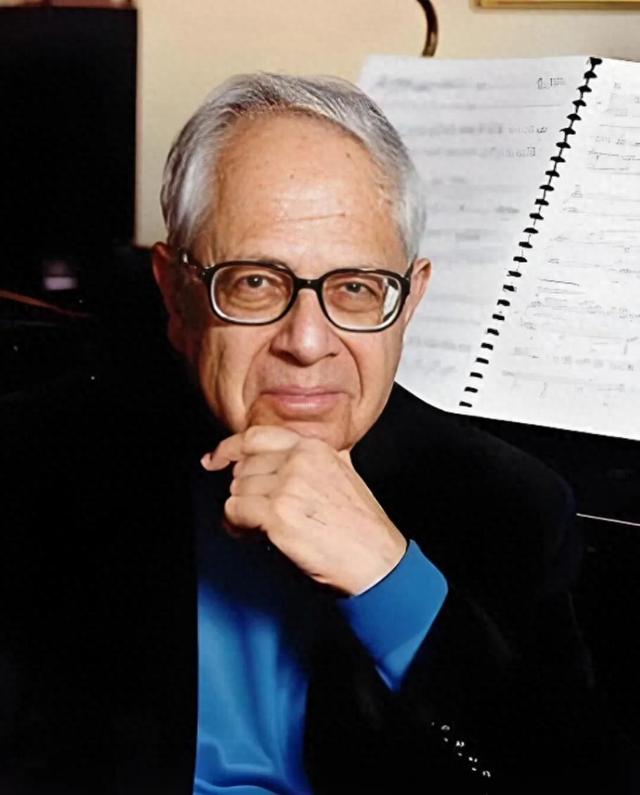
Core Insights - Gary Graffman, a renowned classical pianist and educator, passed away at the age of 97, leaving a significant impact on global classical music education [1] - He served as a long-time faculty member, artistic director, and dean at the Curtis Institute of Music, where he taught notable students such as Lang Lang, Yuja Wang, Zhang Haochen, and Luo Wei [1] Group 1: Teaching Philosophy - Graffman's teaching approach was characterized by openness, allowing students to explore their individuality rather than imposing strict preferences [10][11] - He emphasized the importance of cultural understanding and independent thinking in music education, fostering a nurturing environment for his students [11] - Graffman believed in the potential of young students, often selecting them based on talent and potential, and encouraged them to cherish their youth as a valuable asset [13] Group 2: Student Experiences - Lang Lang recalled how Graffman provided multiple interpretations for playing the same piece, enhancing his understanding of music [4] - Zhang Haochen appreciated Graffman's dual approach, combining rigorous standards with a flexible teaching style that respected students' unique perspectives [10][11] - Both Lang Lang and Zhang Haochen shared personal anecdotes highlighting Graffman's influence on their musical journeys and the deep respect they held for him [6][10]