顺路经济

Search documents
「半小时200单」,蜜雪冰城、瑞幸头部品牌「杀入」地铁站
36氪· 2026-02-12 10:18
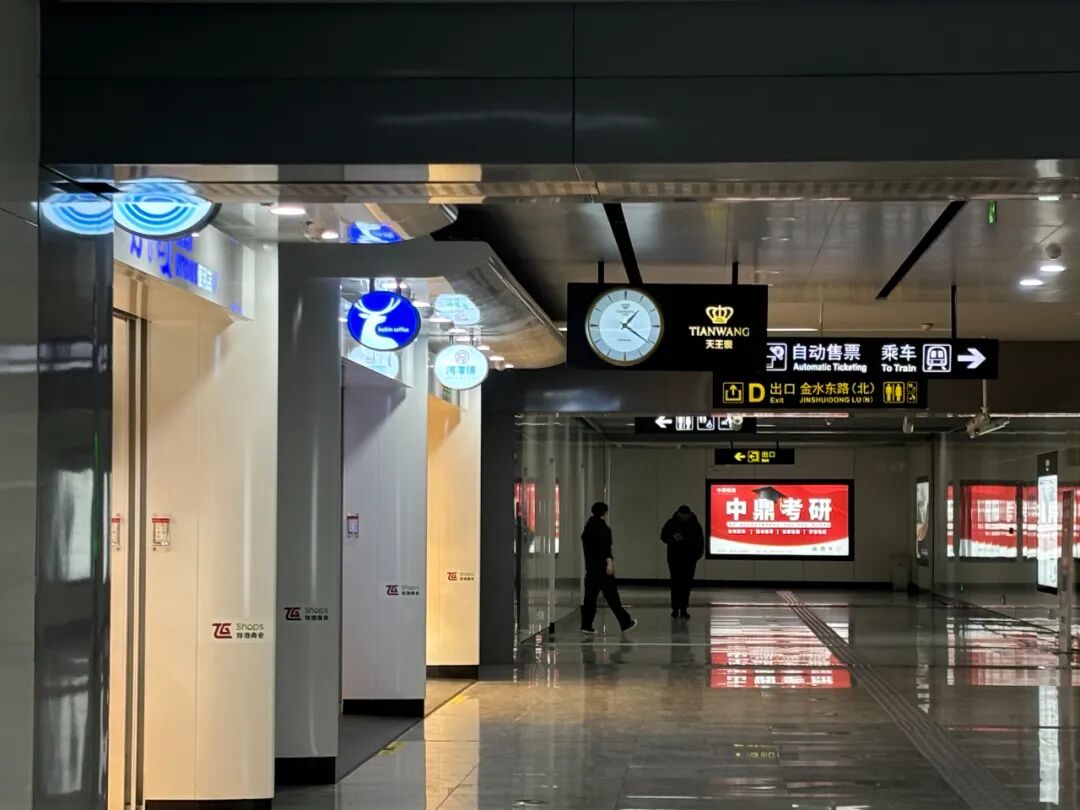
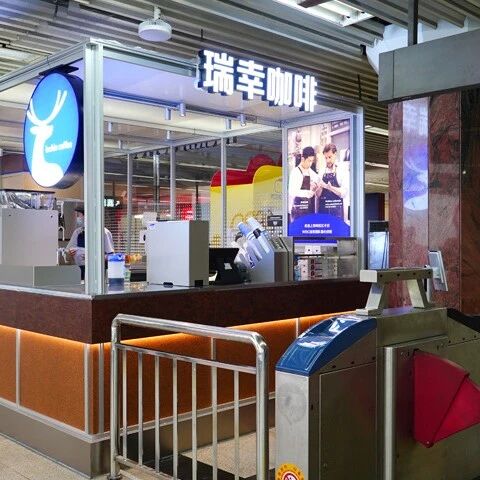
Core Insights - The article discusses the increasing trend of beverage brands, particularly coffee and tea, establishing outlets in subway stations, highlighting the convenience for commuters and the potential for high sales volume [4][22][24]. Group 1: Market Trends - Numerous beverage brands, including Luckin Coffee and Manner, are rapidly entering subway stations, with Luckin planning to open at least 30 stores in Suzhou by 2026 and 200 stores in Tianjin over the next three years [6][14]. - Subway coffee shops can achieve significant sales, with reports indicating that some locations can sell up to 200 cups in just half an hour during peak hours [8][27]. - The consumer demographic in subway stations primarily consists of white-collar workers aged 25 to 40, who have strong purchasing power and a preference for instant gratification [32]. Group 2: Competitive Landscape - As price wars cool down, convenience is becoming a key competitive factor, with brands focusing on high-traffic locations to capture commuter demand [36][37]. - The number of tea and coffee shops in China has reached approximately 400,000 and 220,000 respectively, leading to intense competition in traditional retail spaces [43]. - Subway commercial spaces are seen as a new frontier for brands, offering lower rent and less competition compared to saturated urban retail areas [46]. Group 3: Strategic Insights - Brands are increasingly recognizing the value of subway stations as stable and predictable consumer touchpoints, allowing for seamless integration into commuters' routines [48][50]. - Recent policy changes in cities like Tianjin are facilitating the establishment of commercial outlets in subway systems, further enhancing the attractiveness of these locations for beverage brands [51]. - The evolution of consumer convenience is shifting from mere accessibility to creating seamless experiences along daily commuting routes, emphasizing the importance of convenience in beverage retail [53][54].



“半小时200单!”蜜雪冰城、瑞幸头部品牌“杀入”地铁站
3 6 Ke· 2026-02-05 02:09
Core Insights - Beverage brands are increasingly entering subway stations, with Luckin Coffee planning to open at least 30 stores in Suzhou by 2026 and Kudi Coffee recently opening a store at Beijing Subway Line 15 [1][2][5] - The trend reflects a growing consumer demand for convenience during commutes, as evidenced by high order volumes at subway coffee shops [1][10] Group 1: Market Trends - The phenomenon of coffee brands entering subway stations has become more pronounced since the beginning of 2026, with multiple brands like Manner and Tims also expanding their presence [2][6] - Data shows that some subway coffee shops can sell up to 200 cups in just half an hour during peak hours, indicating strong consumer demand [10][12] Group 2: Consumer Behavior - The primary consumer demographic in subway stations consists of white-collar workers aged 25 to 40, who have strong purchasing power and a preference for instant gratification [12] - The convenience of picking up coffee or breakfast on the way to work has become a daily routine for many commuters, enhancing the likelihood of repeat purchases [12][19] Group 3: Competitive Landscape - As price wars cool down, the focus has shifted to location as a key competitive factor, with brands prioritizing convenience over price in high-frequency commuting scenarios [13][19] - The saturation of traditional retail spaces has led brands to seek opportunities in subway stations, which offer more manageable rent and less competition [15][17] Group 4: Strategic Insights - Brands are strategically targeting subway stations as they provide a stable and predictable flow of customers, making them an attractive option compared to traditional retail locations [19] - Recent policy changes in cities like Tianjin are facilitating the entry of convenience stores and beverage brands into subway systems, further enhancing the commercial potential of these locations [19]