风险共担利益共享

Search documents
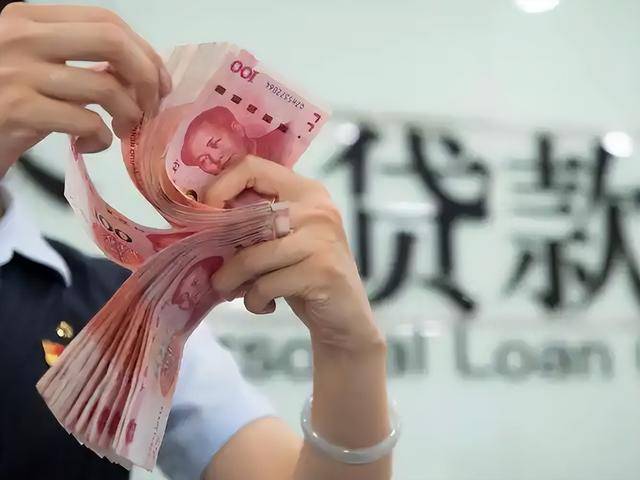
破解三农融资困局!银行保险期货联手,黑龙江合作社年增收15%
Sou Hu Cai Jing· 2025-12-02 18:37
Core Viewpoint - The "bank + insurance + futures" model provides a safety net for agricultural financing, addressing the challenges farmers face in obtaining loans due to risks associated with natural disasters and market fluctuations [1][5][29]. Group 1: Model Operation - The model integrates banks, insurance companies, and futures markets to share risks and benefits, allowing farmers to secure loans more easily [5][9]. - Farmers purchase insurance to cover price drops or yield losses, while insurance companies hedge risks through futures contracts, encouraging banks to lend [7][9]. - Successful case studies include farmers in Xinjiang and Guangxi, who benefited from this model, receiving loans and compensation during price declines [9][11]. Group 2: Challenges in Implementation - High insurance premiums pose a barrier to participation, especially for small farmers who may hesitate to pay upfront costs [13][15]. - Data sharing issues complicate the loan approval process, as relevant information is often scattered across various institutions [16][18]. - A lack of professionals who understand both agriculture and financial instruments limits the effectiveness of the model [19][21]. Group 3: Recommendations for Improvement - Increasing government subsidies from the current 50%-60% to 70%-80% could encourage more farmers to participate [22]. - Establishing a centralized agricultural financial data platform could enhance data sharing and efficiency among banks, insurance, and futures companies [23][25]. - Financial institutions should engage more directly with farmers to tailor services to their specific needs, rather than applying a one-size-fits-all approach [25][27]. Group 4: Future Prospects - The model has the potential to expand beyond staple crops to include economic crops and livestock, providing broader financial support for farmers [27][29]. - Successful implementation of this model could significantly improve farmers' financial stability and contribute to rural revitalization efforts [27][30].

长三角四大协会联合发声
第一财经· 2025-07-02 09:13
Core Viewpoint - The automotive industry in the Yangtze River Delta is facing significant operational challenges, prompting four major associations to call for a new collaborative mechanism with manufacturers to address these issues and enhance market competitiveness [1][3][8]. Group 1: Current Challenges Faced by Dealers - Dealers are experiencing high operational pressure due to excessive inventory, disordered market competition, and increasing risks of cash flow crises [2][3]. - The inventory warning index for Chinese automotive dealers reached 56.6% in June 2025, indicating a rise of 3.9 percentage points, suggesting a decline in industry prosperity [4][5]. - A survey revealed that only 27.5% of 4S stores met or exceeded their sales targets in the first half of the year, highlighting significant inventory accumulation risks [5]. Group 2: Recommendations for Improvement - Establish a production-sales coordination mechanism to allow dealers to report reasonable inventory limits and eliminate rigid sales targets [7][8]. - Optimize rebate pricing policies by simplifying rules, clarifying non-fixed rebate calculations, and shortening the rebate redemption period to within 30 days [7]. - Strengthen the awareness of shared risks by adjusting sales rhythms and assisting dealers in clearing unsold inventory [7]. Group 3: Industry Collaboration and Future Outlook - The associations advocate for a collaborative approach involving government guidance, industry cooperation, and manufacturer participation to create a sustainable automotive market ecosystem [8][9]. - The automotive market is expected to see a slight decline in demand in July due to various factors, including demand exhaustion and seasonal trends, despite ongoing efforts to boost sales through promotions and new vehicle launches [9].