
食品安全内部报告奖励机制

Search documents
八家行业协会倡议落实食品安全内部报告奖励机制
Liao Ning Ri Bao· 2025-11-20 01:08
Core Viewpoint - The provincial food safety office, along with eight industry associations, has initiated a proposal to encourage companies to establish internal reporting reward mechanisms for food safety risks [1] Group 1: Industry Associations Involved - Eight provincial industry associations are involved, covering sectors such as agricultural product cultivation, food production, catering, transportation, storage, and elderly care [1] - The associations aim to act as a bridge to guide member units in implementing internal reporting systems [1] Group 2: Internal Reporting Reward Mechanism - The proposal includes integrating an internal reporting reward system into the core management framework of companies [1] - Employees who proactively report food safety risks will receive rewards [1] - By the end of 2025, companies are expected to establish a suitable internal reporting reward system [1] Group 3: Reporting Channels and Incentives - Companies are encouraged to register accounts in the national food safety whistleblower system and provide accessible reporting channels for employees [1] - Special funds will be allocated from operating costs to reward employees reporting food safety risks, with a tiered reward system based on the severity of the reported risks [1]
谁算“内部知情人”?能举报哪些食安问题?市场监管总局回应
Zhong Guo Jing Ji Wang· 2025-07-30 07:12
Core Viewpoint - The establishment of an internal reporting reward mechanism aims to enhance food safety management and encourage employees to report potential risks within food production and operation units [4][5]. Group 1: Internal Reporting System - The "National Food Safety Internal Informant Reporting System" has been launched as a key platform for the internal reporting reward mechanism, facilitating the reporting of illegal activities [3]. - Internal informants include current employees, former employees within one year of leaving, business partners, and temporary staff, promoting a comprehensive internal oversight [3]. - The system focuses on four types of violations: personnel violations, material risks, environmental hazards, and management loopholes [3]. Group 2: Incentives for Reporting - Measures to protect informants' personal information include both real-name and anonymous reporting options, ensuring confidentiality [4]. - Informants whose reports are verified will receive rewards, combining material and spiritual incentives to encourage reporting of significant risks [4]. - The system allows informants to track the progress of their reports in real-time, enhancing transparency and engagement [4]. Group 3: Objectives and Benefits - The primary goal of the policy is to strengthen the food safety defense network, making risk prevention more precise and social governance more effective [4]. - The internal reporting mechanism is expected to improve internal management quality by fostering collaboration between management and frontline employees [5]. - It aims to identify and address potential risks early by leveraging the sensitivity of internal staff to anomalies in raw materials, processes, and equipment [5]. - The mechanism also addresses new challenges posed by emerging business models and technologies, enhancing traditional regulatory approaches [5].

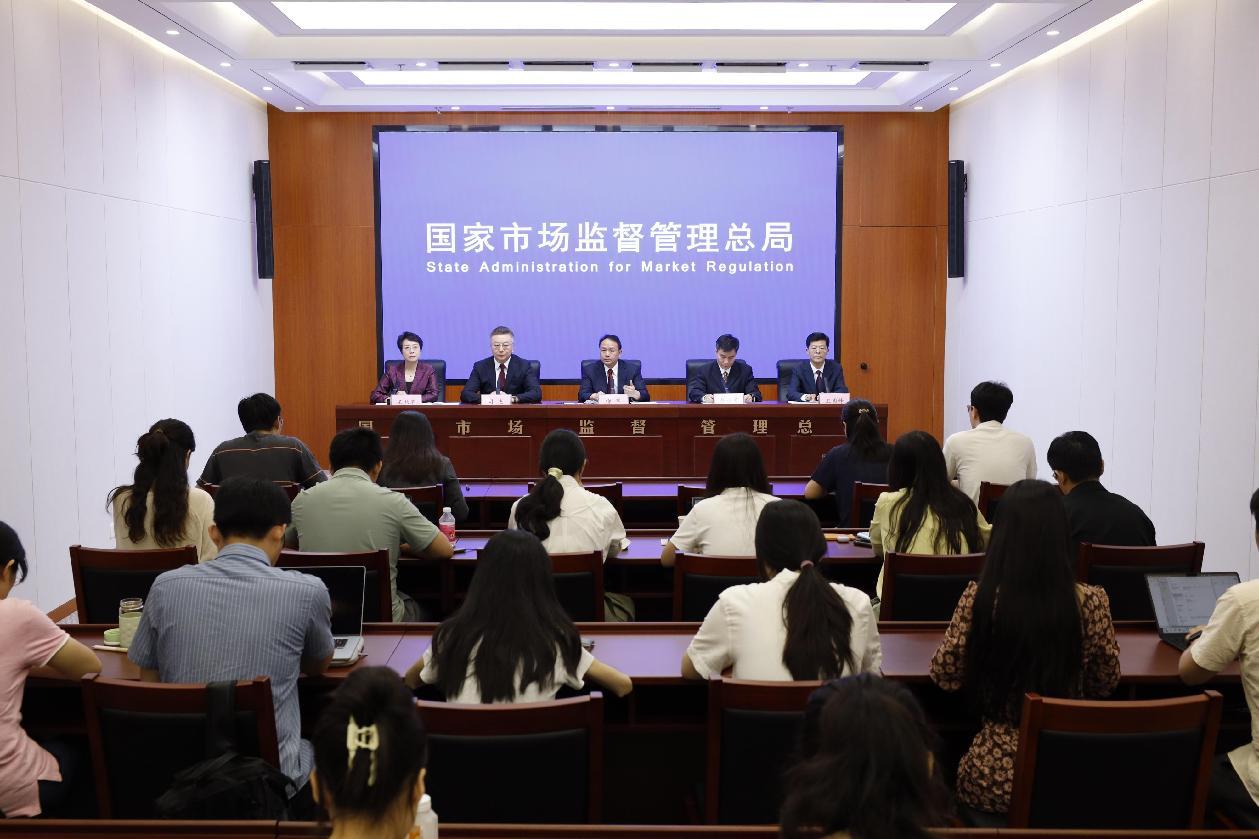
“内部知情人”能举报哪些食品安全问题?市场监管总局回应
Xin Jing Bao· 2025-07-29 12:13
Core Viewpoint - The recent initiatives in food safety, including the establishment of an internal reporting reward mechanism and the launch of the "National Food Safety Internal Informant Reporting System," aim to enhance food safety management and encourage proactive reporting of risks by employees [1][2]. Group 1: Internal Reporting Reward Mechanism - The internal reporting reward mechanism is designed to address the complexities and challenges in food safety management, where traditional regulatory methods may fall short [2]. - It aims to improve internal management quality by fostering a culture of participation among all employees, thereby enhancing self-inspection and internal management processes [3]. - The mechanism facilitates early detection and resolution of potential risks by leveraging the insights of employees who are most familiar with operational processes and materials [3]. Group 2: National Food Safety Internal Informant Reporting System - The reporting system serves as a key platform for employees to report violations, allowing both current and former employees to participate [4]. - It encourages reporting of four main types of violations: personnel violations, material risks, environmental hazards, and management loopholes [6]. - The system ensures the protection of informants' identities and provides rewards for verified reports, thereby incentivizing employees to report issues without fear of repercussions [7].