
饮料分级

Search documents
中国人最爱喝的饮料,大多数都不及格
虎嗅APP· 2026-01-03 13:35
Core Viewpoint - Shanghai is implementing a beverage "nutritional choice" grading system, marking a national first aimed at reducing sugar consumption, particularly from sugary drinks [4][5][6]. Group 1: Grading System Overview - The grading system categorizes beverages into four levels: A, B, C, and D, with A being the healthiest and D the least healthy [9]. - Manufacturers are required to label C and D grade beverages, effectively informing consumers about their health risks [9][10]. - The grading is based on three criteria: sugar content, saturated fat content, and the presence of non-sugar sweeteners [10]. Group 2: Comparison with Singapore - Singapore has already implemented a similar grading system since late 2022, which has now expanded to include freshly prepared drinks [5][6]. - The Singaporean system is considered one of the strictest globally, with penalties for non-compliance, including advertising bans for D grade beverages [14]. Group 3: Health Implications - The average sugar intake in Singapore is significantly above the World Health Organization's recommended limit, with many people consuming around 60 grams daily, primarily from sugary drinks [37]. - In contrast, China's average daily sugar intake is lower, at about 21 grams, suggesting that the grading system could be beneficial if adapted [38][42]. Group 4: Beverage Analysis - Common beverages like carbonated drinks and fruit juices often fall into C or D grades due to high sugar content, while unsweetened teas and sodas are more likely to achieve A grades [24][30]. - The grading system may not favor certain products like full-fat milk, which could receive lower grades due to saturated fat content, despite their nutritional benefits [26][29]. Group 5: Consumer Behavior and Alternatives - The rise of non-sugar sweeteners in beverages is a response to sugar reduction efforts, but their health implications are still debated [49][52]. - The World Health Organization has raised concerns about the potential health risks associated with excessive consumption of non-sugar sweeteners, suggesting that moderation is key [54][55].

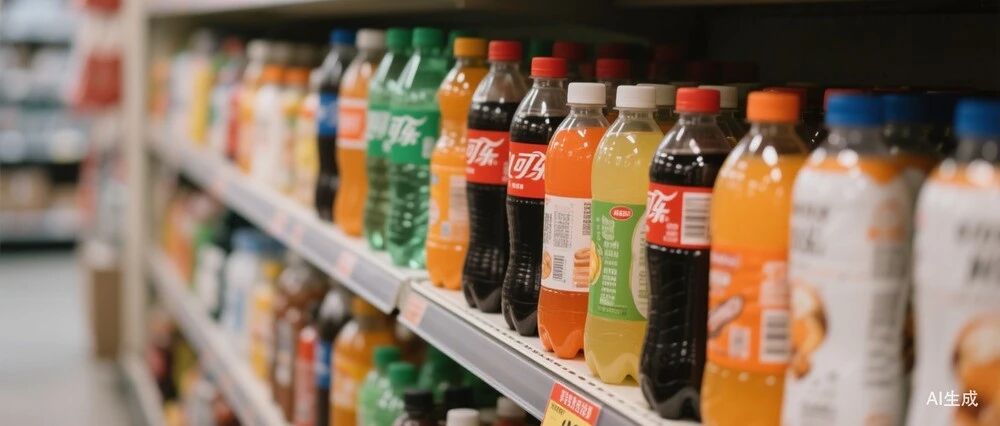
中国人最爱喝的饮料,大多数都不及格
3 6 Ke· 2025-12-29 02:55
Core Viewpoint - Shanghai is implementing a beverage "nutritional choice" grading system, marking a nationwide first in China, aimed at reducing sugar consumption among residents [1][2]. Group 1: Grading System Overview - The grading system categorizes beverages into four levels: A, B, C, and D, with A being the healthiest and D the least healthy [1][2]. - Manufacturers are required to label C and D grade beverages, effectively informing consumers about their health risks [2][5]. - The grading is based on three main criteria: sugar content, saturated fat content, and the presence of non-sugar sweeteners [2][5]. Group 2: Specific Criteria for Grading - A grade beverages must have sugar content ≤ 1g/100ml and saturated fat ≤ 0.7g/100ml, with no added sweeteners [5]. - D grade beverages have sugar content > 10g/100ml and saturated fat > 2.8g/100ml, and face advertising bans with fines for violations [5][6]. - The grading applies broadly to packaged drinks, including water, milk, plant-based milk, meal replacements, and even some infant formulas [5][6]. Group 3: Comparison with Singapore - Singapore has already implemented a similar grading system, which has been described as the strictest in history, requiring manufacturers to label drinks based on sugar content [1][2]. - The Singaporean system has expanded to include freshly made drinks like milk tea and fruit juices, indicating a trend towards stricter regulations on sugary beverages [1][2]. Group 4: Health Implications - The average sugar intake in Singapore is significantly higher than recommended levels, with many residents consuming around 60g of sugar daily, primarily from sugary drinks [18]. - In China, the average daily sugar intake is lower at 21g, but there are concerns about the rising health issues related to sugary beverage consumption, including a 95% increase in deaths from related diseases from 1990 to 2019 [22][26]. - The grading system could serve as a model for China to address its own rising health concerns linked to sugar consumption [19][22].

