高净值人群投资

Search documents
胡润研究院发布报告,反映高净值人群投资趋势 保险黄金股票还是前三名
Shen Zhen Shang Bao· 2025-12-04 17:16
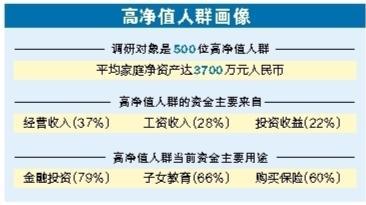
Group 1 - The core viewpoint of the report is that high-net-worth individuals in China are increasingly adopting a conservative investment strategy focused on long-term value, with a significant portion planning to reduce non-essential spending [2][3][6] - The report indicates that 30% of high-net-worth individuals identify as conservative investors, prioritizing asset preservation and growth, with 71% aiming for asset value maintenance [3][5] - A diversified asset allocation strategy is prevalent among high-net-worth individuals, with an average of 5 to 6 different types of investment products held, primarily low-risk bank products (25%) and insurance (19%) [3][4] Group 2 - 56% of high-net-worth individuals plan to increase their allocation to overseas financial products, with an average of 20% of their total assets already in foreign investments [4] - The most favored overseas investment products include overseas insurance (28%), bank savings/wealth management/money market funds (20%), and stocks (17%), with a focus on regions like Hong Kong (52%), Singapore (40%), and the United States (35%) [4] - The primary sources of funds for high-net-worth individuals are operating income (37%), salary income (28%), and investment income (22%), with business owners relying heavily on operating income (56%) [5]

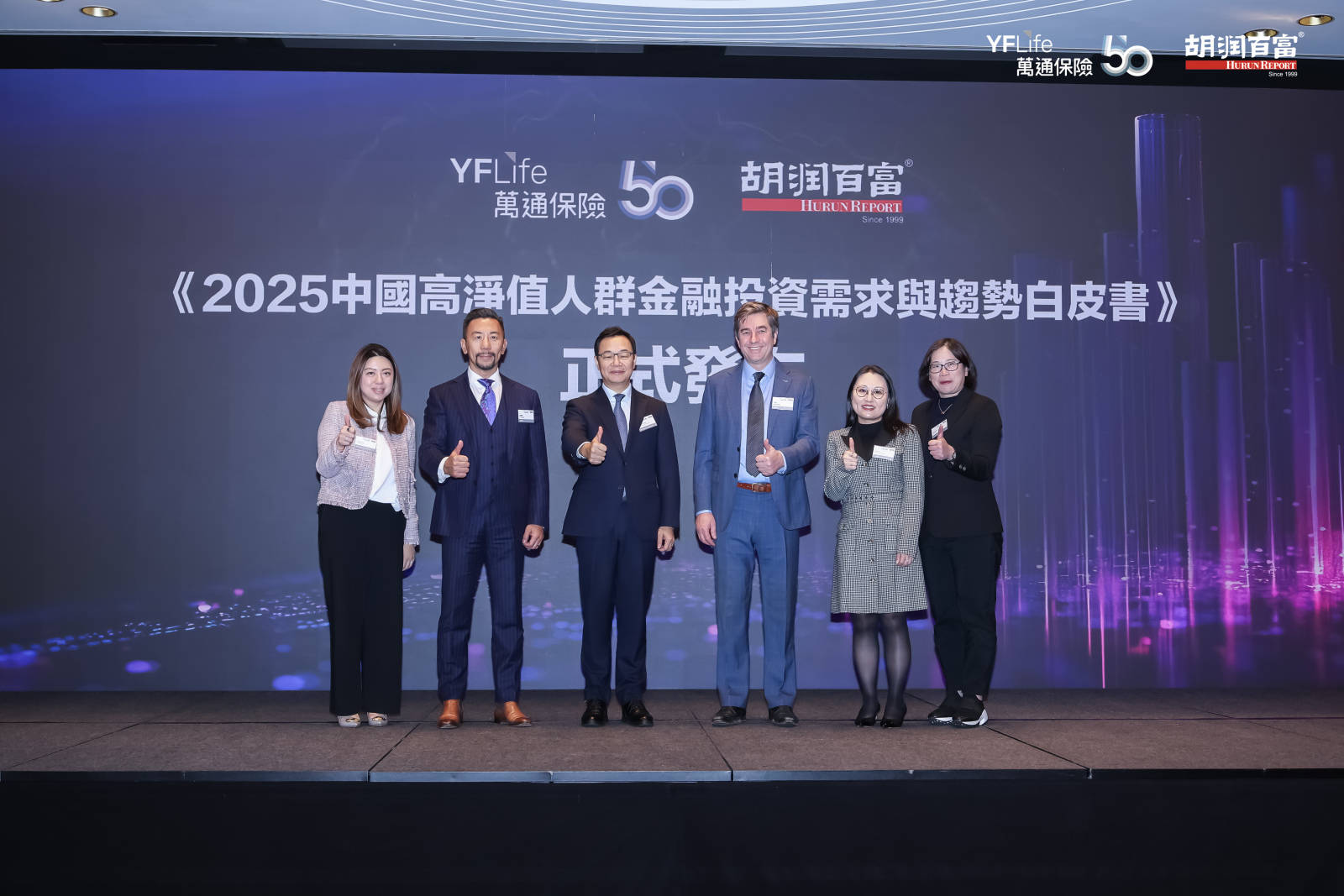
万通保险联合胡润研究院发布2025高净值人群投资白皮书
Sou Hu Cai Jing· 2025-12-04 14:31
Core Insights - The report highlights the investment trends of high-net-worth individuals in China for the upcoming year, emphasizing a shift towards defensive and flexible assets, with insurance playing a crucial role in wealth planning [1][3][6]. Group 1: Investment Characteristics - High-net-worth individuals exhibit characteristics such as "professional-driven, long-termism, prioritizing stability, and responding to market conditions" in their asset allocation [3][5]. - The trend of increasing allocation to defensive and flexible assets is notable, with insurance (47%), gold (42%), and stocks (34%) being the top three asset classes planned for increased investment [6]. Group 2: Role of Insurance - Insurance is evolving from a risk protection tool to a foundational element in wealth management, with an average annual premium expenditure of RMB 590,000 among high-net-worth families [6]. - 56% of respondents plan to increase their allocation to overseas insurance, primarily for global medical services (62%) [6]. Group 3: Overseas Investment Trends - 45% of respondents have already invested in overseas financial products, with overseas assets averaging 20% of their total assets [6]. - 56% of high-net-worth individuals intend to further increase their overseas asset allocation in the coming year, with Hong Kong, Singapore, and the United States being the most favored markets [6]. Group 4: Asset Structure and Investment Strategy - High-net-worth individuals typically hold 5-6 types of financial products, with a focus on bank products, insurance, and stocks, reflecting a "stable foundation and diversified expansion" strategy [6]. - Investment priorities include financial investments, children's education, and insurance, while there is a rising willingness to spend on health care, with plans to cut back on non-essential expenditures like luxury goods and social spending [6]. Group 5: Strategic Insights from Industry Leaders - The collaboration between 万通保险 and 胡润百富 aims to provide insights into the investment strategies of high-net-worth individuals, which are seen as important market indicators [8][10]. - The unique investment management philosophy of 万通保险 combines insurance and investment, focusing on wealth preservation, growth, inheritance, and experience for high-net-worth clients [10].