
高速公路服务区提质升级

Search documents
交通运输部印发《2026年高速公路服务区提质升级行动方案》
Ren Min Ri Bao· 2026-01-19 03:42
Core Viewpoint - The Ministry of Transport has issued the "2026 Action Plan for Upgrading Highway Service Areas," focusing on improving service quality and enhancing user experience in highway service areas [1] Group 1: Service Quality Improvement - The plan aims to enhance service capabilities of highway service areas, including parking areas, by focusing on key tasks such as charging facilities, public restroom upgrades, and standardized "Driver's Home" services [1] - This year, the transportation industry will accelerate the construction and renovation of electric vehicle charging facilities, with a target of adding over 10,000 charging points, of which more than 25% will be high-power charging facilities [1] Group 2: Public Facilities Enhancement - The plan includes optimizing the layout of public restrooms, aiming for a ratio of sit-down toilets to urinals to exceed 20%, thereby improving services for elderly travelers [1] - There will be a push for the standardized and regulated construction of "Driver's Home" facilities to enhance operational service quality [1] Group 3: Open Service Area Development - The plan promotes the development of open service areas, encouraging the integration of highway service areas with local economies by establishing toll lanes or pedestrian access to connect with the outside [1]
高速公路服务区将迎来提质升级 今年计划新增电动汽车充电设施超1万个
Ren Min Ri Bao· 2026-01-18 22:09
Core Viewpoint - The Ministry of Transport has issued an action plan for upgrading highway service areas by 2026, focusing on improving service quality and enhancing the travel experience for the public [1] Group 1: Service Quality Improvement - The action plan aims to enhance service capabilities of highway service areas, including parking areas, by focusing on key tasks such as charging facilities, public restroom improvements, and standardized "Driver's Home" services [1] - The plan includes the construction and renovation of electric vehicle charging facilities, with a target of adding over 10,000 charging points this year, of which more than 25% will be high-power charging facilities [1] Group 2: Public Restroom Enhancements - There will be an acceleration in the renovation of public restrooms, optimizing their layout to ensure that the ratio of toilet seats to urinals reaches over 20%, thereby improving services for elderly travelers [1] Group 3: Standardization and Integration - The plan emphasizes the standardization and normalization of "Driver's Home" facilities, enhancing operational service quality [1] - It promotes the construction of open service areas that connect with local economies, allowing for the integration of toll lanes or pedestrian access to the outside [1]
今年计划新增电动汽车充电设施超1万个
Ren Min Ri Bao· 2026-01-16 08:37
Core Viewpoint - The Ministry of Transport has issued the "Action Plan for Upgrading the Quality of Highway Service Areas by 2026," focusing on enhancing service quality and facilities in highway service areas to improve travel experiences for the public [1] Group 1: Service Quality Improvement - The plan emphasizes the evaluation of service quality levels in highway service areas, targeting key tasks such as the construction and renovation of charging facilities, public restrooms, standardized "Driver's Home," and open service area development [1] - This year, the transportation industry aims to accelerate the construction and upgrading of electric vehicle charging facilities, with a target of adding over 10,000 charging points, of which more than 25% will be high-power charging facilities [1] Group 2: Public Restroom Enhancements - The plan includes initiatives to improve public restroom layouts, aiming for the ratio of toilet seats to urinals to exceed 20%, thereby enhancing services for elderly travelers [1] Group 3: Standardization and Integration - The plan outlines the optimization of the "Driver's Home" layout and the standardization of its facilities to continuously improve operational service quality [1] - It promotes the construction of open service areas that connect with local economies, including the establishment of toll lanes or pedestrian access where conditions permit [1]
服务区焕新变“司机之家”
Jing Ji Ri Bao· 2026-01-15 00:05
Core Insights - The article highlights the transformation of highway service areas in China from traditional functional stops to multi-functional spaces that integrate retail, cultural experiences, and tourism services, creating a comprehensive ecosystem for leisure and commerce [1][2] Group 1: Development of Highway Service Areas - The total length of China's highways has reached 191,000 kilometers, with an addition of 30,000 kilometers during the "14th Five-Year Plan" period, indicating significant infrastructure growth [2] - There is a growing recognition of the potential of service areas as platforms for enhancing consumer experience, moving beyond basic services like parking and refueling to include amenities such as charging stations and elder-friendly services [2][3] Group 2: Upgrading and Innovation - The Ministry of Transport plans to focus on improving charging services, facility upgrades for the elderly, and safety measures in service areas as part of a quality enhancement initiative [1] - Emphasis is placed on integrating diverse business models and local cultural elements into service areas, promoting new business formats like "transportation + culture" and "transportation + local products" to stimulate regional economic development [2] Group 3: Technological Integration - The article advocates for the adoption of digital management models in service areas, utilizing technologies such as AI for data management and analysis to enhance operational efficiency and customer experience [3] - The goal is to transition service areas from basic support functions to quality-enhancing entities that meet the high standards of modern travel and regional economic expectations [3]
我国高速公路服务区提质 明年增建1万个以上充电枪
Xin Lang Cai Jing· 2025-12-23 17:02
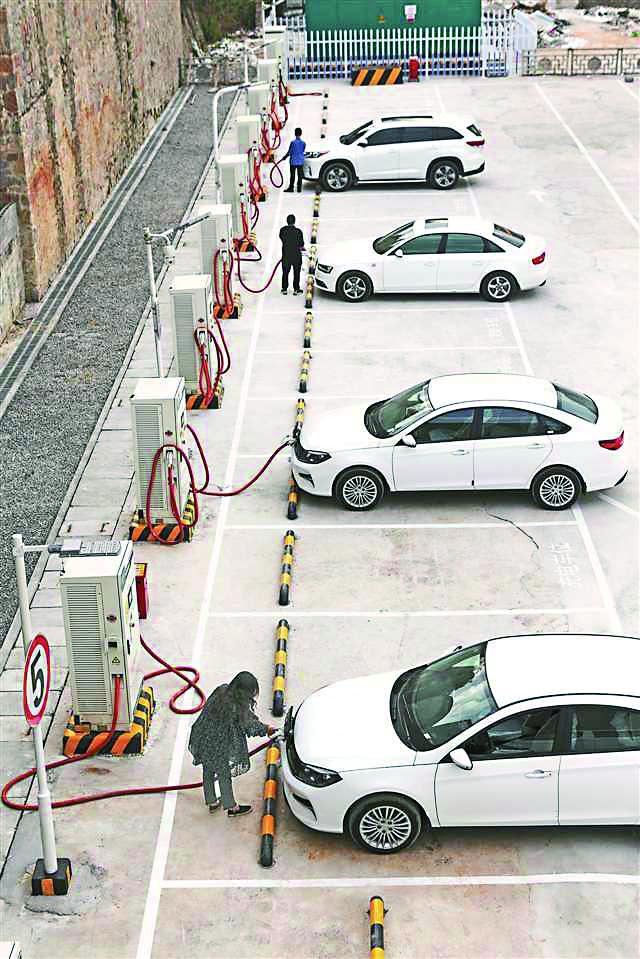
Core Viewpoint - The Ministry of Transport plans to enhance the quality of highway service areas by 2025, focusing on the construction of over 10,000 charging stations, with at least 25% being high-power chargers to address the charging difficulties faced by long-distance electric vehicle users [2][4]. Group 1: Charging Infrastructure Expansion - The Ministry of Transport aims to improve charging service capabilities in highway service areas, responding to the growing demand for long-distance travel with electric vehicles [4]. - The initiative includes the construction of over 10,000 charging stations, with a significant emphasis on high-power chargers to reduce waiting times for charging [4]. - New charging facilities will be prioritized at busy service areas and along major freight corridors, ensuring that high-power charging becomes the standard [4]. Group 2: Service Upgrades and Human-Centric Approach - The upgrade initiative goes beyond infrastructure, focusing on meeting the diverse needs of different user groups, reflecting a human-centered approach to transportation services [5]. - The Ministry plans to enhance public restroom facilities, aiming for over 20% of toilet stalls to be sit-down toilets, and improve accessibility features for elderly and disabled travelers [5]. - The "Driver's Home" initiative will continue to expand, with 863 standardized facilities already established this year, aimed at improving the working conditions for long-haul truck drivers [5]. Group 3: Innovative Service Area Models - The Ministry encourages the integration of service areas with local economies, promoting the "open service area" model that has shown positive results in some provinces [6]. - This model facilitates local community access to service area resources and boosts consumer traffic, transforming service areas into vibrant economic nodes rather than mere rest stops [6]. - The Ministry will also enhance safety and emergency capabilities in service areas, particularly focusing on fire safety for high-power charging facilities [6].

明年将对全国高速路服务区厕所改造,坐便位比例提至两成以上
Nan Fang Du Shi Bao· 2025-12-23 13:12
Core Viewpoint - The increasing popularity of self-driving travel has led to heightened expectations for the quality and services of highway service areas in China, prompting the Ministry of Transport to initiate a nationwide upgrade plan for these facilities in the coming year [1][2]. Group 1: Upgrade Plans for Highway Service Areas - The Ministry of Transport plans to implement a quality improvement action for highway service areas next year, which includes enhancing charging service capabilities and renovating public restrooms [1]. - Over 10,000 charging stations will be constructed across the country's highway service areas, with at least 25% being high-power charging stations [1]. - The ministry aims to improve the accessibility of service areas for elderly travelers by increasing the proportion of sit-down toilets to over 20% and promoting the construction of barrier-free facilities [1]. Group 2: Enhancements for Truck Drivers - A new batch of functional and standardized "Driver Homes" will be established to meet the resting needs of truck drivers [2]. - The ministry will promote the construction of "open service areas" tailored to local conditions, enhancing the safety and emergency response capabilities of these facilities [2]. - There will be a focus on improving fire safety measures in service areas, including the provision and updating of fire safety equipment and strict enforcement of fire safety responsibilities [2].
跑高速充电更方便,明年全国高速服务区要建1万多个充电枪
2 1 Shi Ji Jing Ji Bao Dao· 2025-12-23 12:01
Core Viewpoint - The Chinese government plans to enhance highway service areas in 2024, focusing on improving service quality and infrastructure to meet rising public expectations for convenience and safety [1][2]. Group 1: Infrastructure Development - In 2023, approximately 8,000 kilometers of new highways are expected to be added, along with the completion of about 1,700 kilometers of highways and over 2,200 digital upgrades to road and waterway facilities [1]. - The Ministry of Transport aims to construct over 10,000 charging guns in highway service areas by 2026, with at least 25% being high-power charging guns [1]. Group 2: Service Quality Improvement - The Ministry of Transport will promote the renovation of public restrooms in service areas to be more senior-friendly, increasing the proportion of sit-down toilets to over 20% [2]. - The "Driver's Home" initiative will continue to expand, with 863 standardized facilities already completed, aiming to enhance the resting conditions for truck drivers [2]. Group 3: Accessibility and Community Engagement - The Ministry will push for the construction of barrier-free facilities, including accessible restrooms and parking spaces, to accommodate elderly travelers [2]. - The development of "open service areas" will be encouraged, allowing local residents to benefit from these facilities while boosting regional economic activity [2]. Group 4: Safety and Emergency Preparedness - There will be a comprehensive enhancement of safety and emergency response capabilities in service areas, including the upgrading of fire safety equipment and strict adherence to fire safety responsibilities [2].
交通运输部:着力提升充电服务保障能力 2026年计划在高速公路服务区建设1万个以上充电枪
Xin Hua Cai Jing· 2025-12-23 11:54
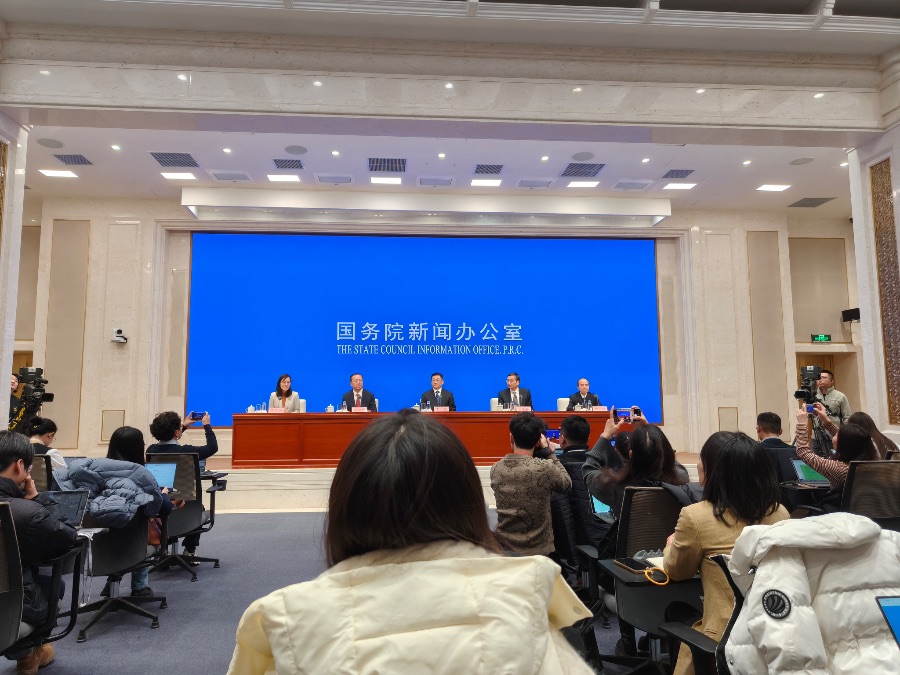
Core Viewpoint - The Ministry of Transport plans to enhance the quality of highway service areas in China in 2024, focusing on five key initiatives to improve services for travelers and support the growing demand for electric vehicle charging [1][2][3] Group 1: Charging Infrastructure - The Ministry aims to improve charging service capabilities at highway service areas by accelerating the construction and renovation of charging facilities, with a target of over 10,000 charging guns by 2026, of which at least 25% will be high-power chargers [1] - New charging facilities in busy service areas during holidays and those with over 40% utilization of existing facilities will primarily use high-power chargers [1] Group 2: Accessibility Improvements - The Ministry will promote the renovation of public restrooms in service areas to be more senior-friendly, increasing the proportion of sit-down toilets to over 20% and enhancing accessibility features such as ramps and parking spaces [2] - The initiative aims to provide a safer and more comfortable travel environment for elderly and mobility-impaired travelers [2] Group 3: Driver Support Facilities - The Ministry, in collaboration with the All-China Federation of Trade Unions, has completed the standardized construction of 863 "Driver Homes" and plans to continue building more to meet the needs of truck drivers for rest and basic amenities [2] Group 4: Open Service Areas - The Ministry will promote the construction of "open service areas" that facilitate easy access for local residents and travelers, enhancing the service area's role in boosting local economies and consumer traffic [3] Group 5: Safety and Emergency Preparedness - The Ministry will guide local authorities to strengthen fire safety measures and ensure compliance with safety standards in service areas, particularly focusing on high-power charging facilities [3]