魔芋产业发展

Search documents
“国民零食”撬动千亿市场 卫龙(09985)超级食材魔芋爽发布会在西双版纳举行
智通财经网· 2025-12-12 00:55
Core Insights - The event "New Propositions for Healthy Snacks: Superfood Konjac" held in Xishuangbanna, Yunnan, highlighted the transformation and future opportunities of the konjac industry in China, marking a new phase of standardized and value-driven development [1][2]. Industry Overview - China is the world's largest producer and consumer of konjac, accounting for over 60% of global planting area and production, with Yunnan, Sichuan, Hubei, and Shaanxi as the four core production regions [1]. - The konjac industry has evolved from traditional products to a diverse range of offerings, including snacks, meal replacements, and plant-based foods, with the entire industry chain exceeding 100 billion yuan [7]. Policy and Market Dynamics - The "China Food and Nutrition Development Outline (2025-2030)" emphasizes increasing the supply of konjac and other fiber-rich foods, driving the industry's growth [2]. - The demand for low-fat, high-fiber konjac products in markets like Japan and Europe is growing at an annual rate of 15% [7]. Company Innovations - Weidong, a leading company in the konjac snack sector, holds a 61% market share since launching its first konjac product in 2014 and has established the first industry standard for konjac ready-to-eat foods [4]. - The company is focusing on product innovation, upgrading the supply chain, and enhancing quality management to support the high-quality transformation of the konjac industry [4][17]. Nutritional Value and Health Trends - Konjac is recognized for its low energy, high fiber, and low glycemic index properties, making it beneficial for health, especially in addressing obesity and related chronic diseases [9][10]. - The consumption of konjac products is shifting from niche markets to a broader audience, characterized by trends of health consciousness, youth appeal, and convenience [10][12]. Future Directions - The konjac industry is expected to expand its applications beyond food into medical, daily chemical, and green packaging sectors, necessitating technological advancements and a comprehensive standard system [17]. - The recent report aims to provide valuable insights for the high-quality development of the konjac industry, focusing on the synergy of policy support, technological progress, and consumer upgrades [12].

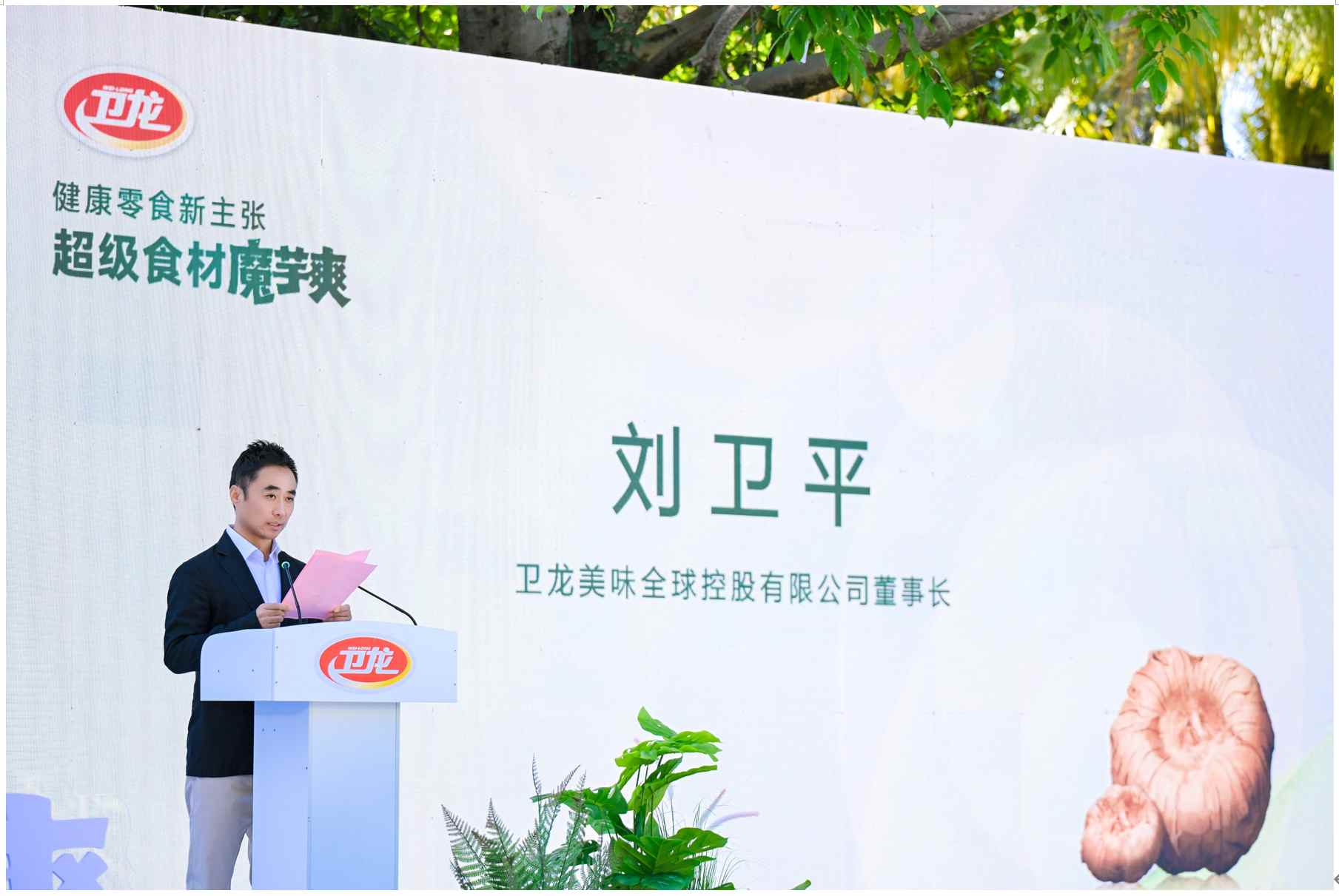
“国民零食”撬动千亿市场 卫龙超级食材魔芋爽发布会在西双版纳举办
新华网财经· 2025-12-11 05:48
Core Viewpoint - The event held in Xishuangbanna focused on the transformation and future opportunities of the konjac industry, highlighting the release of a report that marks a new phase of standardized and value-driven development in China's konjac food industry [1][3]. Industry Development - China is the world's largest producer and consumer of konjac, with over 60% of global planting area and production, primarily in Yunnan, Sichuan, Hubei, and Shaanxi [1]. - The konjac industry has formed a development pattern driven by market demand, enterprise innovation, and brand value enhancement, with the overall industry scale exceeding 100 billion yuan [7]. - The Ministry of Agriculture and Rural Affairs has emphasized increasing the supply of konjac and other fiber-rich foods, injecting strong momentum into the industry [3]. Nutritional Value and Market Trends - Konjac is rich in glucomannan (KGM), a soluble dietary fiber that enhances satiety and slows down the absorption of sugars and fats, making it a low-calorie and low glycemic index food [9]. - The consumption of konjac products has shifted from niche markets to a broader audience, characterized by health-conscious, youthful, and convenient consumption trends [9][11]. Corporate Innovation and Strategy - Weilian, a leading company in the konjac snack sector, has achieved a 61% market share since launching its first konjac product in 2014 and has established the first group standard for konjac instant food [5][13]. - The company has set up R&D centers in Henan and Shanghai, continuously optimizing product taste and efficiency, with plans to launch new flavors in 2024 [13][17]. - Weilian employs a "standardized planting base + deep processing + all-channel sales" model to ensure stable income for farmers and expand market reach [17]. Future Prospects - The application of konjac is expanding beyond food to areas such as medical carriers, daily chemical materials, and green packaging, necessitating breakthroughs in technology and a complete standard system for the industry [18]. - The event and report provide significant guidance for the high-quality development of the konjac industry and serve as a practical example for the value re-creation and brand upgrading of specialty agricultural products [18].
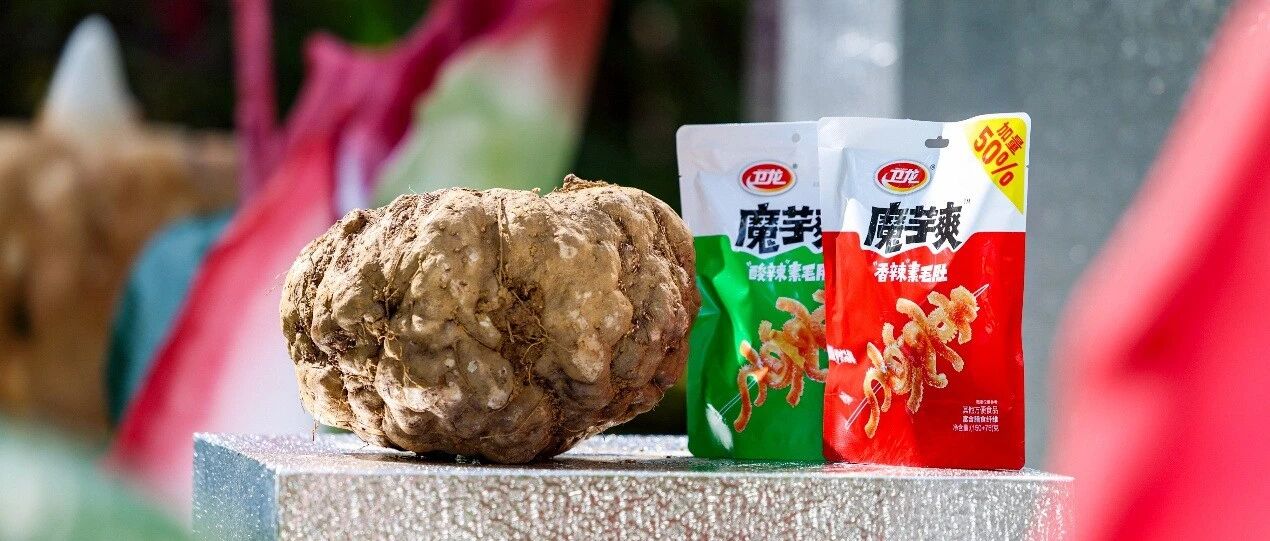
新闻有观点·行业洞察丨“百变”魔芋 中国味道何以走向世界?
Yang Guang Wang· 2025-06-16 12:11
Core Insights - The konjac snack industry is gaining popularity due to its low-calorie, high-fiber attributes, appealing particularly to health-conscious consumers, especially women [2][5] - Konjac products are being marketed not only for their health benefits but also for their taste, with companies focusing on flavor enhancement while maintaining a relatively low caloric content [3][6] - The konjac industry is transitioning from a regional specialty to a global snack trend, with significant export potential and cultural significance [5][7] Industry Characteristics - The konjac snack market is characterized by diverse product forms, including "konjac shuang" and konjac jelly, which cater to various consumer preferences in the snack and beverage sectors [1][2] - There is a growing awareness of dietary fiber intake among Chinese consumers, with konjac serving as an ideal source to address this gap [2][6] - The industry faces challenges related to product quality, including concerns over high salt and oil content in some konjac snacks, necessitating consumer education [2][3] Market Opportunities and Challenges - The konjac snack industry has expanded its reach, exporting to nearly 44 countries, with a focus on flavors that resonate with local tastes while promoting Chinese culinary culture [7] - Companies are encouraged to develop standardized and scalable cultivation practices to ensure a stable supply chain, addressing climate and soil variability [5][6] - The future of konjac products includes potential applications beyond food, such as in medical and cosmetic fields, indicating a broadening market scope [6][7]